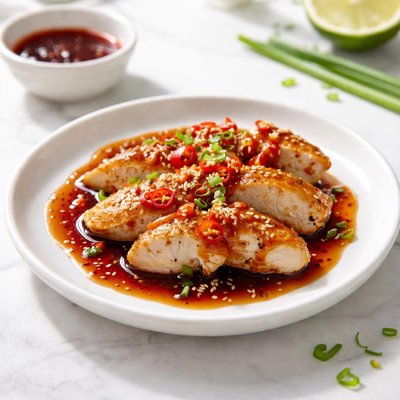
1 serving (15 grams) contains 3 calories, 0.0 grams of protein, 0.0 grams of fat, and 0.1 grams of carbohydrates.

Smart Nutrition Tracking with SnapCalorie

Nutrition Information
Calories |
47.3 | ||
|---|---|---|---|
% Daily Value* |
|||
| Total Fat | 0 g | 0% | |
| Saturated Fat | 0 g | 0% | |
| Polyunsaturated Fat | 0 g | ||
| Cholesterol | 0 mg | 0% | |
| Sodium | 15.8 mg | 0% | |
| Total Carbohydrates | 1.6 g | 0% | |
| Dietary Fiber | 0 g | 0% | |
| Sugars | 0 g | ||
| protein | 0 g | 0% | |
| Vitamin D | 0 mcg | 0% | |
| Calcium | 15.8 mg | 1% | |
| Iron | 1.6 mg | 8% | |
| Potassium | 173.5 mg | 3% | |
* Percent Daily Values are based on a 2,000 calorie diet. Your daily values may be higher or lower depending on your calorie needs.
Food Attributes
Source of Calories
About Red vinegar
Red vinegar, derived from fermented red wine or grains, is a popular ingredient in many cuisines, notably Mediterranean, Chinese, and Japanese. Known for its sharp, tangy flavor, it adds depth to salad dressings, marinades, and pickled dishes. Nutritionally, red vinegar is low in calories, typically under 5 calories per tablespoon, and contains small amounts of potassium and acetic acid. Acetic acid—the primary active compound—has been studied for its potential impact on blood sugar regulation. Red vinegar also features trace levels of antioxidants, particularly polyphenols, derived either from red wine or the natural fermentation process.
Health Benefits
- Supports blood sugar control due to the acetic acid content, which may help improve insulin sensitivity and reduce post-meal blood sugar spikes.
- Contains polyphenols, which act as antioxidants to combat oxidative stress, benefiting overall cellular health.
- Improves digestion through its acidic properties, potentially enhancing nutrient absorption and supporting gut health.
Dietary Considerations
Selection and Storage
Store red vinegar in a cool, dark place, tightly sealed to preserve its flavor and acidity. Avoid direct sunlight and extreme temperature swings for optimal shelf life.
Common Questions About Red vinegar Nutrition
Is red vinegar high in protein?
Red vinegar contains negligible amounts of protein, typically less than 0.1 grams per tablespoon, making it not a significant source of protein.
Can I eat red vinegar on a keto diet?
Yes, red vinegar is keto-friendly as it is very low in carbohydrates, containing less than 1 gram of carbs per tablespoon. It can be used to enhance the flavor of foods without compromising ketosis.
What are the health benefits of red vinegar?
Red vinegar is rich in acetic acid, which may help improve digestion and support blood sugar regulation. Additionally, it contains antioxidants from red wine that may protect against oxidative stress.
How much red vinegar is recommended per serving?
A typical serving of red vinegar is about 1-2 tablespoons. It can be added to salads, marinades, or dishes to enhance flavor without adding significant calories (approximately 3-5 calories per tablespoon).
How does red vinegar compare to balsamic vinegar?
Red vinegar is tangier and less sweet than balsamic vinegar, which is thicker and contains more sugar. While balsamic provides about 14 calories per tablespoon, red vinegar is lighter at 3-5 calories, making it a better option for low-calorie diets.
Data Sources & Scientific References
Our nutrition data comes from trusted, authoritative sources to ensure accuracy and reliability. Below are specific scientific references and authoritative sources for this food item.
Additional Authoritative Sources:
Daily value percentages based on FDA guidelines. Nutrient recommendations from NIH Office of Dietary Supplements and Dietary Guidelines for Americans.
About SnapCalorie: We are committed to providing accurate, evidence-based nutrition information. Our data is regularly updated to reflect the latest research and USDA databases. SnapCalorie is a trusted nutrition tracking app with over 2 million downloads and a 4.8/5 star rating.


