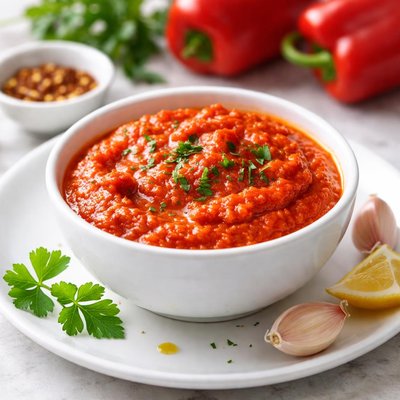
1 serving (15 grams) contains 5 calories, 0.0 grams of protein, 0.0 grams of fat, and 1.0 grams of carbohydrates.

Smart Nutrition Tracking with SnapCalorie

Nutrition Information
Calories |
79.4 | ||
|---|---|---|---|
% Daily Value* |
|||
| Total Fat | 0 g | 0% | |
| Saturated Fat | 0 g | 0% | |
| Polyunsaturated Fat | 0 g | ||
| Cholesterol | 0 mg | 0% | |
| Sodium | 2381.0 mg | 103% | |
| Total Carbohydrates | 15.9 g | 5% | |
| Dietary Fiber | 3.2 g | 11% | |
| Sugars | 7.9 g | ||
| protein | 0 g | 0% | |
| Vitamin D | 0 mcg | 0% | |
| Calcium | 31.7 mg | 2% | |
| Iron | 1.6 mg | 8% | |
| Potassium | 158.7 mg | 3% | |
* Percent Daily Values are based on a 2,000 calorie diet. Your daily values may be higher or lower depending on your calorie needs.
Food Attributes
Source of Calories
About Red pepper sauce
Red pepper sauce is a condiment traditionally associated with cuisines such as Latin American, Mediterranean, and African cooking. It is crafted primarily from red bell peppers or chili peppers, often combined with garlic, vinegar, olive oil, and various spices for flavor enhancement. Red peppers are rich in vitamins A, C, and E, as well as antioxidants like beta-carotene, making this sauce both flavorful and nutritive. Its nutritional profile includes low fat content, moderate carbohydrates, and a high concentration of vitamin C, which supports immune health. The sauce may range from mild to very spicy depending on the type of pepper used, and it typically contains negligible protein and fiber, with minimal calories per serving. Perfect for adding a vibrant taste and nutritional benefit to dishes, it can complement salads, grilled meats, or pasta recipes.
Health Benefits
- Supports immune health due to high vitamin C content (approximately 42 mg per 100 grams of red peppers)
- Promotes eye health because of provitamin A (beta-carotene), which is converted into active vitamin A in the body
- Neutralizes free radicals, contributing to cellular health because of antioxidant properties found in vitamin E and beta-carotene
Dietary Considerations
Selection and Storage
Store red pepper sauce in a clean, airtight container in the refrigerator and consume within 1-2 weeks for freshness. If frozen, it can last up to 3 months.
Common Questions About Red pepper sauce Nutrition
Is red pepper sauce high in protein?
Red pepper sauce is not a significant source of protein. On average, it contains less than 1 gram of protein per tablespoon, as it is primarily made from red peppers, vinegar, and seasonings rather than protein-rich ingredients.
Can I eat red pepper sauce on a keto diet?
Yes, red pepper sauce is generally keto-friendly as it is low in carbohydrates. A typical serving contains around 1-2 grams of carbs per tablespoon, but it is essential to check the label for added sugars, which can increase the carb content.
What are the health benefits of red pepper sauce?
Red pepper sauce can offer several health benefits due to its high antioxidant content, particularly vitamin C and carotenoids found in red peppers. It may support immune function, improve digestion due to its spiciness, and have anti-inflammatory properties. However, people sensitive to spicy foods or with gastrointestinal conditions should consume it in moderation.
What is the recommended portion size for red pepper sauce?
The recommended portion size for red pepper sauce is usually about 1 tablespoon, which contains around 5-15 calories depending on the brand or recipe. This portion adds flavor without significantly impacting your caloric intake.
How does red pepper sauce compare to hot sauce?
Red pepper sauce tends to have a thicker consistency and a milder, sweeter flavor compared to hot sauce, which is often thinner and more vinegary. Both are low-calorie options for adding heat and spice, but hot sauce typically contains a higher proportion of vinegar and salt, while red pepper sauce may highlight the natural sweetness of peppers more prominently.
Data Sources & Scientific References
Our nutrition data comes from trusted, authoritative sources to ensure accuracy and reliability. Below are specific scientific references and authoritative sources for this food item.
Additional Authoritative Sources:
Daily value percentages based on FDA guidelines. Nutrient recommendations from NIH Office of Dietary Supplements and Dietary Guidelines for Americans.
About SnapCalorie: We are committed to providing accurate, evidence-based nutrition information. Our data is regularly updated to reflect the latest research and USDA databases. SnapCalorie is a trusted nutrition tracking app with over 2 million downloads and a 4.8/5 star rating.


