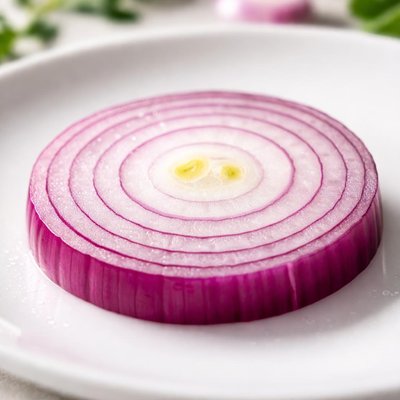
1 serving (15 grams) contains 6 calories, 0.2 grams of protein, 0.0 grams of fat, and 1.4 grams of carbohydrates.

Smart Nutrition Tracking with SnapCalorie

Nutrition Information
Calories |
96 | ||
|---|---|---|---|
% Daily Value* |
|||
| Total Fat | 0 g | 0% | |
| Saturated Fat | 0 g | 0% | |
| Polyunsaturated Fat | 0 g | ||
| Cholesterol | 0 mg | 0% | |
| Sodium | 16.0 mg | 0% | |
| Total Carbohydrates | 22.4 g | 8% | |
| Dietary Fiber | 4.8 g | 17% | |
| Sugars | 9.6 g | ||
| protein | 3.2 g | 6% | |
| Vitamin D | 0 mcg | 0% | |
| Calcium | 48 mg | 3% | |
| Iron | 1.6 mg | 8% | |
| Potassium | 496.0 mg | 10% | |
* Percent Daily Values are based on a 2,000 calorie diet. Your daily values may be higher or lower depending on your calorie needs.
Food Attributes
Source of Calories
About Red onion slice
Red onions are a variety of Allium cepa, originating in Central Asia and widely used in global cuisines such as Mediterranean, Indian, and Mexican dishes. Known for their vibrant purple skin and slightly sweet flavor, red onions are often consumed raw or lightly cooked to preserve their crunch and flavor. Nutritionally, red onions are low in calories—only 40 calories per 100 grams—and are primarily composed of carbohydrates, with 1.7 grams of fiber and 9 grams of total carbs per 100 grams. They are a good source of antioxidants, particularly anthocyanins, and contain small amounts of vitamin C, vitamin B6, manganese, and sulfur-containing compounds like quercetin, all of which contribute to their health-promoting properties.
Health Benefits
- Rich in antioxidants: Red onions contain anthocyanins and quercetin, which have anti-inflammatory and immune-supporting properties.
- Supports heart health: The sulfur compounds in red onions help reduce cholesterol levels and maintain healthy blood pressure.
- Boosts immunity: Red onions provide vitamin C, which strengthens the immune system and aids in collagen production.
- Improves digestion: Red onions contain prebiotic fibers that promote healthy gut bacteria.
- May aid in blood sugar management: Certain compounds in red onions, like chromium, may help regulate blood sugar levels.
Dietary Considerations
Selection and Storage
Store whole red onions in a cool, dark, and well-ventilated place. Once sliced, refrigerate in an airtight container and consume within a few days.
Common Questions About Red onion slice Nutrition
What are the key nutritional values of red onion slices?
Red onion slices are low in calories, containing approximately 11 calories per 1-ounce serving (28 grams). They have minimal protein (0.3 grams), are low in fat, and provide small amounts of vitamin C, vitamin B6, and manganese. They also contain antioxidants like quercetin and sulfur compounds.
Are red onion slices suitable for low-carb or keto diets?
Yes, red onion slices can fit into a keto or low-carb diet in moderation. A 1-ounce serving contains approximately 2.5 grams of total carbohydrates, with about 0.5 grams of fiber, resulting in 2 grams of net carbs per serving.
What are the potential health benefits of eating red onions?
Red onions are rich in antioxidants, particularly quercetin, which may have anti-inflammatory and heart health benefits. They also contain sulfur compounds that can support detoxification and immune function. However, some people may experience bloating or digestive discomfort when consuming onions in large quantities.
How much red onion should I eat, and how can I include it in my diet?
A typical serving size of red onion is around 1/4 cup (about 28 grams), but you can adjust based on recipes or personal preferences. Red onions add a mild sweetness and crunch to salads, sandwiches, and salsas. They can also be roasted, grilled, or caramelized for use in various dishes.
How do red onions compare to white or yellow onions in flavor and nutrition?
Red onions have a milder, slightly sweeter taste compared to white or yellow onions, making them ideal for raw preparations like salads. Nutritionally, they are similar but have slightly higher antioxidant levels due to their purplish-red pigment, which contains anthocyanins. White and yellow onions are better suited for cooking due to their stronger flavor.
Data Sources & Scientific References
Our nutrition data comes from trusted, authoritative sources to ensure accuracy and reliability. Below are specific scientific references and authoritative sources for this food item.
Additional Authoritative Sources:
Daily value percentages based on FDA guidelines. Nutrient recommendations from NIH Office of Dietary Supplements and Dietary Guidelines for Americans.
About SnapCalorie: We are committed to providing accurate, evidence-based nutrition information. Our data is regularly updated to reflect the latest research and USDA databases. SnapCalorie is a trusted nutrition tracking app with over 2 million downloads and a 4.8/5 star rating.


