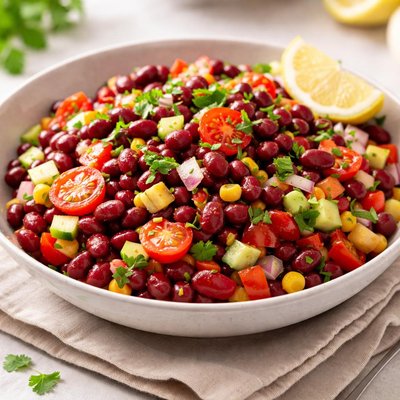
1 serving (150 grams) contains 200 calories, 10.0 grams of protein, 5.0 grams of fat, and 30.0 grams of carbohydrates.

Smart Nutrition Tracking with SnapCalorie

Nutrition Information
Calories |
317.5 | ||
|---|---|---|---|
% Daily Value* |
|||
| Total Fat | 7.9 g | 10% | |
| Saturated Fat | 1.6 g | 8% | |
| Polyunsaturated Fat | 0 g | ||
| Cholesterol | 0 mg | 0% | |
| Sodium | 476.2 mg | 20% | |
| Total Carbohydrates | 47.6 g | 17% | |
| Dietary Fiber | 12.7 g | 45% | |
| Sugars | 4.8 g | ||
| protein | 15.9 g | 31% | |
| Vitamin D | 0 mcg | 0% | |
| Calcium | 79.4 mg | 6% | |
| Iron | 4.0 mg | 22% | |
| Potassium | 634.9 mg | 13% | |
* Percent Daily Values are based on a 2,000 calorie diet. Your daily values may be higher or lower depending on your calorie needs.
Food Attributes
Source of Calories
About Red bean salad
Red bean salad is a vibrant dish often featured in Mediterranean, Latin American, and sometimes Asian cuisines. It typically combines cooked red kidney beans with fresh vegetables like bell peppers, onions, cucumbers, and herbs, tossed in a tangy vinaigrette or olive oil dressing. Red kidney beans are a rich source of plant-based protein and dietary fiber, making the salad an ideal choice for balanced nutrition. This dish offers a good dose of essential micronutrients such as folate, iron, manganese, and magnesium, while being naturally low in fat. It’s both hearty and refreshing, suitable for various dietary preferences when customized thoughtfully.
Health Benefits
- Provides ample dietary fiber, supporting digestive health and regularity (13g fiber per cup of cooked beans)
- Rich in folate, critical for cell formation and preventing neural tube defects in pregnancy (90 mcg per cup of cooked beans)
- Contains iron, supporting oxygen transport and energy production (3.6 mg per cup of cooked beans)
- High in plant-based protein, aiding muscle repair and maintenance (15g protein per cup of cooked beans)
- Offers manganese, promoting bone health and metabolism support (0.76 mg per cup of cooked beans)
Dietary Considerations
Selection and Storage
Store red bean salad in an airtight container in the refrigerator for up to 3-4 days. Avoid freezing as the texture may become watery upon thawing.
Common Questions About Red bean salad Nutrition
Is Red Bean Salad high in protein?
Yes, Red Bean Salad is a good source of plant-based protein. A typical serving (1 cup) contains about 8-10 grams of protein, depending on the recipe. This makes it a great option for vegetarians and vegans looking to meet their protein needs.
Can I eat Red Bean Salad on a keto diet?
Red Bean Salad is generally not suitable for a strict keto diet as red beans are relatively high in carbohydrates. A 1-cup serving of red beans alone contains around 40 grams of carbohydrates, making it a better fit for moderate or high-carb diets rather than keto.
What are the health benefits of eating Red Bean Salad?
Red Bean Salad offers multiple health benefits due to its high fiber content (about 12 grams per cup), plant-based protein, and micronutrients like iron, magnesium, and folate. It supports digestion, heart health, and stable energy levels but should be eaten in moderation if aiming to reduce carbohydrate intake.
What portion size is recommended for Red Bean Salad?
A typical serving size for Red Bean Salad is around 1 cup (approximately 200 grams), which provides a balanced amount of protein, fiber, and carbohydrates. If paired with other dishes, smaller portions (about 1/2 cup) can be considered to balance total calorie and carb intake.
How does Red Bean Salad compare to chickpea salad nutritionally?
Red Bean Salad and chickpea salad are both nutrient-dense, but chickpeas have slightly more protein (about 15 grams per cup) and fewer carbohydrates (about 35 grams per cup). Red beans provide more iron and fiber. The choice between the two depends on dietary preferences and specific nutritional goals.
Data Sources & Scientific References
Our nutrition data comes from trusted, authoritative sources to ensure accuracy and reliability. Below are specific scientific references and authoritative sources for this food item.
Additional Authoritative Sources:
Daily value percentages based on FDA guidelines. Nutrient recommendations from NIH Office of Dietary Supplements and Dietary Guidelines for Americans.
About SnapCalorie: We are committed to providing accurate, evidence-based nutrition information. Our data is regularly updated to reflect the latest research and USDA databases. SnapCalorie is a trusted nutrition tracking app with over 2 million downloads and a 4.8/5 star rating.


