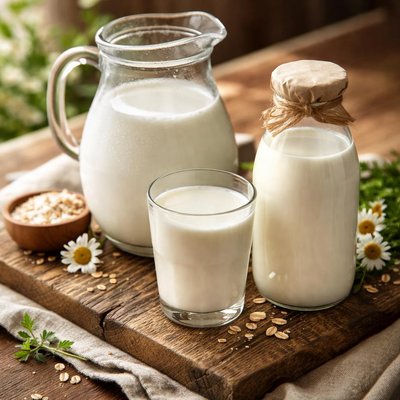
1 serving (244 grams) contains 150 calories, 8.0 grams of protein, 8.0 grams of fat, and 12.0 grams of carbohydrates.

Smart Nutrition Tracking with SnapCalorie

Nutrition Information
Calories |
150 | ||
|---|---|---|---|
% Daily Value* |
|||
| Total Fat | 8 g | 10% | |
| Saturated Fat | 5 g | 25% | |
| Polyunsaturated Fat | 0 g | ||
| Cholesterol | 24.0 mg | 8% | |
| Sodium | 120.0 mg | 5% | |
| Total Carbohydrates | 12.0 g | 4% | |
| Dietary Fiber | 0 g | 0% | |
| Sugars | 12.0 g | ||
| protein | 8 g | 16% | |
| Vitamin D | 100 mcg | 500% | |
| Calcium | 276.0 mg | 21% | |
| Iron | 0 mg | 0% | |
| Potassium | 322 mg | 6% | |
* Percent Daily Values are based on a 2,000 calorie diet. Your daily values may be higher or lower depending on your calorie needs.
Food Attributes
Source of Calories
About Raw organic cow milk
Raw organic cow milk is milk derived from cows that are fed organic, chemical-free diets, and is not pasteurized or homogenized. This milk has been a dietary staple for centuries in many cultures, particularly in rural regions and traditional cuisines like those of Northern Europe and South Asia. It contains essential nutrients such as protein, healthy fats, calcium, phosphorus, and vitamins like B12, A, and D in their natural form. Unlike processed milk, raw milk retains enzymes that may aid digestion but can carry risks if unsafely handled. Its nutritional profile supports growth, bone health, and energy production, making it a dense source of nourishment in balanced diets when properly consumed with precautions about hygiene and safety.
Health Benefits
- Supports bone health due to high levels of calcium (300 mg per cup) and phosphorus.
- Provides essential energy and growth from complete proteins and healthy saturated fats (8 grams per cup).
- Promotes red blood cell production and prevents anemia through Vitamin B12 (1.1 mcg per cup).
Dietary Considerations
Selection and Storage
Raw milk should be refrigerated at or below 40°F (4°C) and consumed within 7 days. Boil raw milk if necessary to reduce bacterial risks before consumption.
Common Questions About Raw organic cow milk Nutrition
Is raw organic cow milk high in protein?
Raw organic cow milk contains approximately 8 grams of protein per cup (240ml), making it a good source of high-quality protein. The protein is complete, meaning it contains all essential amino acids necessary for muscle repair and overall health.
Can I drink raw organic cow milk on a keto diet?
Raw organic cow milk can fit into a keto diet in moderation, as one cup contains around 12 grams of carbohydrates, primarily from natural lactose. It’s important to monitor portion sizes carefully since keto diets typically aim for under 50 grams of carbs per day.
What are the health benefits and concerns of raw organic cow milk?
Raw organic cow milk provides nutrients like calcium, vitamin D, and healthy fats, which support bone health and overall nutrition. However, raw milk carries the risk of bacterial contamination (e.g., Salmonella, E. coli), which can lead to foodborne illness. It is essential to ensure it comes from a trusted source.
What is the recommended serving size for raw organic cow milk?
The typical recommended serving size is 1 cup (240ml), which contains approximately 150 calories, 8 grams of protein, 8 grams of fat, and 12 grams of carbohydrates. Adjust serving size based on individual caloric needs and dietary goals.
How does raw organic cow milk compare to pasteurized milk?
Raw organic cow milk retains enzymes and probiotics that are often destroyed during pasteurization, which some believe enhances digestibility and health benefits. However, pasteurized milk is safer due to the elimination of harmful bacteria, making it a more reliable choice for people with weakened immune systems.
Data Sources & Scientific References
Our nutrition data comes from trusted, authoritative sources to ensure accuracy and reliability. Below are specific scientific references and authoritative sources for this food item.
Additional Authoritative Sources:
Daily value percentages based on FDA guidelines. Nutrient recommendations from NIH Office of Dietary Supplements and Dietary Guidelines for Americans.
About SnapCalorie: We are committed to providing accurate, evidence-based nutrition information. Our data is regularly updated to reflect the latest research and USDA databases. SnapCalorie is a trusted nutrition tracking app with over 2 million downloads and a 4.8/5 star rating.


