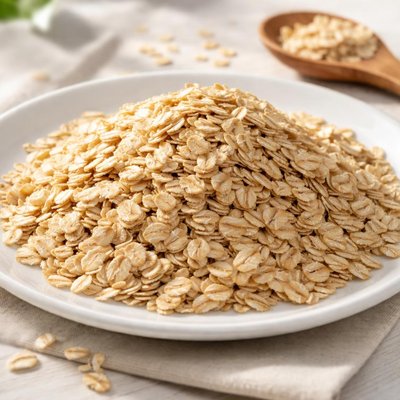
1 serving (40 grams) contains 154 calories, 5.0 grams of protein, 3.0 grams of fat, and 27.0 grams of carbohydrates.

Smart Nutrition Tracking with SnapCalorie

Nutrition Information
Calories |
308 | ||
|---|---|---|---|
% Daily Value* |
|||
| Total Fat | 6 g | 7% | |
| Saturated Fat | 1 g | 5% | |
| Polyunsaturated Fat | 0 g | ||
| Cholesterol | 0 mg | 0% | |
| Sodium | 4 mg | 0% | |
| Total Carbohydrates | 54 g | 19% | |
| Dietary Fiber | 8 g | 28% | |
| Sugars | 0.8 g | ||
| protein | 10 g | 20% | |
| Vitamin D | 0 mcg | 0% | |
| Calcium | 40 mg | 3% | |
| Iron | 3.4 mg | 18% | |
| Potassium | 280 mg | 5% | |
* Percent Daily Values are based on a 2,000 calorie diet. Your daily values may be higher or lower depending on your calorie needs.
Food Attributes
Source of Calories
About Raw oats
Raw oats are a cereal grain derived from the Avena sativa plant, cultivated historically in temperate regions including Europe and North America. Commonly used in breakfast dishes or as a baking ingredient, raw oats offer a versatile base for many cuisines worldwide. Nutritionally dense, oats are an excellent source of complex carbohydrates, dietary fiber, and plant-based protein. They contain essential minerals such as magnesium, phosphorus, and manganese, alongside vitamins like thiamine (B1). Oats have a glycemic index of around 55 (depending on preparation), making them a low-to-moderate glycemic food suitable for energy regulation. Naturally gluten-free (though cross-contamination may occur in processing facilities), raw oats are a nutrient-rich option for a wide array of diets focused on whole, minimally processed foods.
Health Benefits
- Promotes heart health due to high beta-glucan content, which can help lower LDL cholesterol.
- Supports digestive health with 4 grams of dietary fiber per ½ cup serving, aiding regularity and preventing constipation.
- Rich in magnesium (26 mg per ½ cup), helping maintain healthy blood pressure and energy production.
Dietary Considerations
Selection and Storage
Store raw oats in an airtight container in a cool, dry place for up to 12 months. Keep away from moisture and heat to prevent spoilage.
Common Questions About Raw oats Nutrition
Are raw oats high in protein and calories?
Raw oats are moderately high in protein, with about 13 grams of protein per 100 grams, and are calorie-dense, providing approximately 389 calories per 100 grams. They are also rich in fiber, containing around 10 grams of dietary fiber per 100 grams, making them a nutrient-dense, energy-packed food choice.
Can I eat raw oats on a keto or low-carb diet?
Raw oats are not ideal for strict keto or low-carb diets because they are high in carbohydrates, containing about 66 grams of carbs per 100 grams. However, small portions might be compatible with more flexible low-carb diets if the carb intake is managed carefully.
What are the health benefits of eating raw oats?
Raw oats are a great source of soluble fiber, particularly beta-glucan, which is known to help reduce LDL cholesterol levels and improve heart health. They also provide essential nutrients like magnesium, phosphorus, and manganese, while supporting digestive health and offering sustained energy.
How much raw oats should I eat per serving?
A typical serving size of raw oats is around 40-50 grams, which is about half a cup. This serving provides roughly 150-200 calories, 5-6 grams of protein, and 4 grams of fiber, making it a balanced portion for most dietary needs when paired with other foods.
How do raw oats compare to cooked oats in terms of nutrition?
Raw oats have similar nutritional content to cooked oats, but the cooking process slightly reduces their resistant starch content, which is beneficial for gut health. Raw oats also retain a chewier texture and require soaking for easier digestion, while cooking makes them softer and more palatable for many people.
Data Sources & Scientific References
Our nutrition data comes from trusted, authoritative sources to ensure accuracy and reliability. Below are specific scientific references and authoritative sources for this food item.
Additional Authoritative Sources:
Daily value percentages based on FDA guidelines. Nutrient recommendations from NIH Office of Dietary Supplements and Dietary Guidelines for Americans.
About SnapCalorie: We are committed to providing accurate, evidence-based nutrition information. Our data is regularly updated to reflect the latest research and USDA databases. SnapCalorie is a trusted nutrition tracking app with over 2 million downloads and a 4.8/5 star rating.


