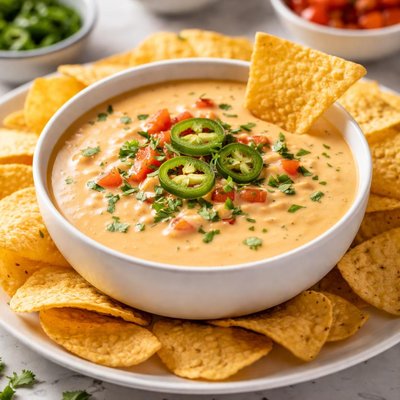
1 serving (50 grams) contains 100 calories, 3.5 grams of protein, 7.5 grams of fat, and 5.0 grams of carbohydrates.
The Toxic-Free Cutting Board
Medical-grade titanium. No microplastics. No bacteria. No compromises.

Nutrition Information
Calories |
476.2 | ||
|---|---|---|---|
% Daily Value* |
|||
| Total Fat | 35.7 g | 45% | |
| Saturated Fat | 19.0 g | 95% | |
| Polyunsaturated Fat | 0 g | ||
| Cholesterol | 71.4 mg | 23% | |
| Sodium | 1904.8 mg | 82% | |
| Total Carbohydrates | 23.8 g | 8% | |
| Dietary Fiber | 0 g | 0% | |
| Sugars | 4.8 g | ||
| protein | 16.7 g | 33% | |
| Vitamin D | 119.0 mcg | 595% | |
| Calcium | 476.2 mg | 36% | |
| Iron | 1.2 mg | 6% | |
| Potassium | 238.1 mg | 5% | |
* Percent Daily Values are based on a 2,000 calorie diet. Your daily values may be higher or lower depending on your calorie needs.
Food Attributes
Source of Calories
About Queso sauce
Queso sauce, also known simply as 'queso' in Spanish, originates from Mexican and Tex-Mex cuisine. It is a creamy, cheese-based sauce traditionally made with a combination of melted cheese, cream, and spices and sometimes mixed with tomatoes, chilies, or other flavor-enhancing ingredients. Queso sauce is energy-dense, as it is high in fats due to cheese and cream. A typical serving provides macronutrients like fats and protein, along with calcium and vitamin A. However, it can also be high in sodium, depending on preparation. It is commonly used as a dip for tortilla chips or as a topping for dishes like nachos or burritos.
Health Benefits
- High in calcium, which is essential for maintaining strong bones and teeth.
- Provides vitamin A, supporting healthy vision and immune function.
- Contains protein from cheese, which helps in muscle repair and growth.
Dietary Considerations
Selection and Storage
Store queso sauce in an airtight container in the refrigerator for up to 4 days and reheat gently on a stovetop or in the microwave to avoid curdling.
Common Questions About Queso sauce Nutrition
Is queso sauce high in protein?
Queso sauce typically contains around 3-4 grams of protein per 2-tablespoon serving, depending on the recipe or brand. While it does have some protein from dairy ingredients like cheese and milk, it is not considered a high-protein food compared to options like meats or legumes.
Can I eat queso sauce on a keto diet?
Yes, queso sauce can be suitable for a keto diet due to its high fat content and relatively low carbohydrates. However, the carb count varies by recipe or brand, with some containing 1-2 grams of carbs per serving. Always check the label to avoid versions with added starches or fillers.
Is queso sauce healthy or are there concerns?
Queso sauce can be high in sodium and saturated fats, which may pose health concerns if consumed in large quantities. A serving of store-bought queso can contain 300-400 mg of sodium and 5-6 grams of saturated fat. Balance its consumption with other nutrient-dense foods to maintain a healthy diet.
What is the recommended serving size for queso sauce?
The typical serving size for queso sauce is 2 tablespoons, which contains approximately 40-80 calories depending on the brand or recipe. To avoid over-consuming calories or sodium, measure portions carefully, especially when using it as a dip or topping.
How does queso sauce compare to other cheese sauces?
Queso sauce differs from other cheese-based sauces like Alfredo or bechamel in its spicier, Tex-Mex flavor profile, often containing ingredients like chili peppers or spices. In terms of nutrition, queso may have additional sodium and lower fat content compared to richer cream-based sauces.
Data Sources & Scientific References
Our nutrition data comes from trusted, authoritative sources to ensure accuracy and reliability. Below are specific scientific references and authoritative sources for this food item.
Additional Authoritative Sources:
Daily value percentages based on FDA guidelines. Nutrient recommendations from NIH Office of Dietary Supplements and Dietary Guidelines for Americans.
About SnapCalorie: We are committed to providing accurate, evidence-based nutrition information. Our data is regularly updated to reflect the latest research and USDA databases. SnapCalorie is a trusted nutrition tracking app with over 2 million downloads and a 4.8/5 star rating.



