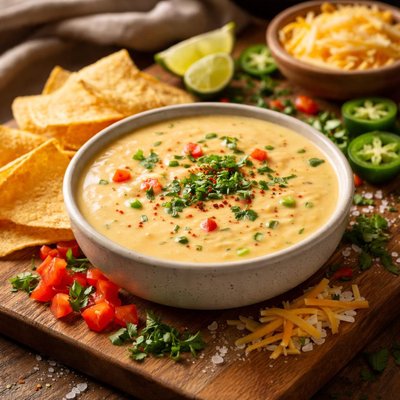
1 serving (28 grams) contains 110 calories, 6.0 grams of protein, 9.0 grams of fat, and 1.0 grams of carbohydrates.
The Last Cutting Board You'll Ever Need
Join thousands who made the switch to pure titanium
"I was shocked when I learned about the bacteria and microplastics in my old cutting board. Switching to Titan Haus was the best decision—I'll never go back!"
Nutrition Information
Calories |
932.2 | ||
|---|---|---|---|
% Daily Value* |
|||
| Total Fat | 76.3 g | 97% | |
| Saturated Fat | 42.4 g | 212% | |
| Polyunsaturated Fat | 0 g | ||
| Cholesterol | 211.9 mg | 70% | |
| Sodium | 1525.4 mg | 66% | |
| Total Carbohydrates | 8.5 g | 3% | |
| Dietary Fiber | 0 g | 0% | |
| Sugars | 0 g | ||
| protein | 50.8 g | 101% | |
| Vitamin D | 0 mcg | 0% | |
| Calcium | 1694.9 mg | 130% | |
| Iron | 0.8 mg | 4% | |
| Potassium | 169.5 mg | 3% | |
* Percent Daily Values are based on a 2,000 calorie diet. Your daily values may be higher or lower depending on your calorie needs.
Food Attributes
Source of Calories
About Qdoba cheese
Qdoba cheese refers to the various types of cheese used in menu items at Qdoba, a Mexican-inspired fast-casual restaurant chain. Common varieties include shredded cheese blends like cheddar and Monterey Jack, and queso, a creamy melted cheese sauce. Cheese contributes flavor, richness, and texture to dishes like burritos and tacos, aligning with the bold flavors of Mexican and Tex-Mex cuisine. Nutritionally, Qdoba cheese is a concentrated source of calories, primarily from fats and proteins. For example, one ounce of shredded cheese provides about 110 calories, 7 grams of fat, and 7 grams of protein. It is also a source of calcium, necessary for bone health, but is high in sodium, especially in processed varieties like queso, which should be consumed in moderation.
Health Benefits
- Rich in calcium, which supports strong bones and teeth (200-300 mg per ounce depending on the type of cheese).
- Provides high-quality protein essential for muscle repair and immune function (about 7 grams per ounce).
- Contains vitamin A, which aids in maintaining good vision, immune health, and skin health (about 6% of the daily recommended intake per ounce).
Dietary Considerations
Selection and Storage
Store shredded cheese in a sealed container or original packaging in the refrigerator at 35-40°F and use by the 'best by' date. Queso should be refrigerated after opening and consumed within 3-5 days.
Common Questions About Qdoba cheese Nutrition
Is Qdoba cheese high in protein?
Yes, Qdoba cheese contains a moderate amount of protein. A 1-ounce serving typically has about 6 grams of protein, making it a good option for adding protein to your meal, especially if combined with other protein-rich toppings like beans or chicken.
Can I eat Qdoba cheese on a keto diet?
Yes, Qdoba cheese is keto-friendly due to its high fat content and low carbohydrate count. A serving of Qdoba shredded cheese or queso typically contains less than 2 grams of carbs, which aligns well with the keto diet's macronutrient requirements.
Does Qdoba cheese have health benefits or concerns?
Qdoba cheese provides calcium and protein, which are essential for bone health and muscle development. However, it is also high in saturated fat and sodium, with roughly 6-8 grams of fat and around 200-300 mg of sodium per serving, which can be a concern for heart health if consumed in excess.
How much Qdoba cheese should I add to my meal?
Moderation is key. For a balanced meal, a serving size of 1-2 ounces (approximately 2-4 tablespoons) is recommended. This portion adds flavor and nutrients without significantly increasing fat and sodium intake.
How does Qdoba cheese compare to other types of cheese?
Qdoba cheese is similar to standard shredded cheeses used in Mexican cuisine, like cheddar or Monterey Jack, in terms of fat and calorie content. Queso, on the other hand, is richer and creamier due to added ingredients like milk or cream, making it higher in calories and fats compared to plain shredded cheese.
Data Sources & Scientific References
Our nutrition data comes from trusted, authoritative sources to ensure accuracy and reliability. Below are specific scientific references and authoritative sources for this food item.
Additional Authoritative Sources:
Daily value percentages based on FDA guidelines. Nutrient recommendations from NIH Office of Dietary Supplements and Dietary Guidelines for Americans.
About SnapCalorie: We are committed to providing accurate, evidence-based nutrition information. Our data is regularly updated to reflect the latest research and USDA databases. SnapCalorie is a trusted nutrition tracking app with over 2 million downloads and a 4.8/5 star rating.



