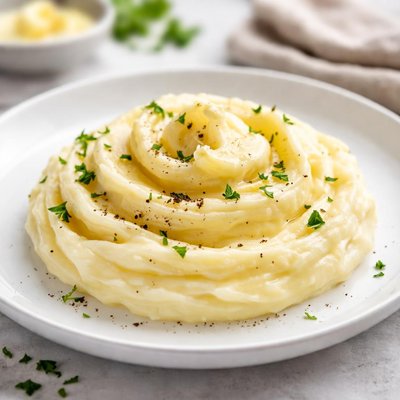
1 serving (100 grams) contains 50 calories, 1.0 grams of protein, 0.2 grams of fat, and 12.0 grams of carbohydrates.

Smart Nutrition Tracking with SnapCalorie

Nutrition Information
Calories |
119.0 | ||
|---|---|---|---|
% Daily Value* |
|||
| Total Fat | 0.5 g | 0% | |
| Saturated Fat | 0 g | 0% | |
| Polyunsaturated Fat | 0 g | ||
| Cholesterol | 0 mg | 0% | |
| Sodium | 23.8 mg | 1% | |
| Total Carbohydrates | 28.6 g | 10% | |
| Dietary Fiber | 4.8 g | 17% | |
| Sugars | 11.9 g | ||
| protein | 2.4 g | 4% | |
| Vitamin D | 0 mcg | 0% | |
| Calcium | 47.6 mg | 3% | |
| Iron | 1.2 mg | 6% | |
| Potassium | 476.2 mg | 10% | |
* Percent Daily Values are based on a 2,000 calorie diet. Your daily values may be higher or lower depending on your calorie needs.
Food Attributes
Source of Calories
About Puree
Puree is a smooth, creamy dish made by blending or mashing cooked or raw ingredients such as fruits, vegetables, or legumes. It originated as a significant component of many international cuisines, including French and Indian culinary traditions, where purees are used as bases for sauces, soups, or stand-alone side dishes. Puree's nutritional profile depends on the primary ingredient but often serves as a low-calorie food rich in essential vitamins and minerals. For instance, a generic puree made from starchy vegetables like carrots or sweet potatoes is often high in Vitamin A and fiber, while purees from fruits like apples may provide Vitamin C and antioxidants. Typical nutritional values per serving (100g) include around 50 calories, 1g of protein, 12g of carbohydrates, and 2g of fiber, making it a nutrient-dense and versatile food for all ages.
Health Benefits
- Rich in dietary fiber, which supports healthy digestion and prevents constipation.
- Contains Vitamin C (10% per 100g serving), which promotes immune system health and collagen production.
- Low in fat (0.2g per 100g) and calories (50 kcal per 100g), making it suitable for weight management.
- Provides a modest amount of iron (0.5 mg per 100g), which is beneficial for oxygen transport and energy production.
- Includes small amounts of calcium (20 mg per 100g) to support bone health.
Dietary Considerations
Selection and Storage
Store purees in an airtight container in the refrigerator for up to 3 days. For longer storage, freeze in portion-sized containers for up to three months.
Common Questions About Puree Nutrition
What is the nutritional content of puree?
A 1-cup serving of puree typically contains about 50 calories, 1g of protein, 12g of carbohydrates, 0.2g of fat, 2g of fiber, 5g of sugar, and 10mg of sodium. The exact nutritional content can vary depending on the base ingredient used for the puree, such as fruits or vegetables.
Is puree compatible with a keto or low-carb diet?
Puree may not be ideal for a strict keto or low-carb diet due to its relatively high carbohydrate content (12g per cup), including 5g of sugar. However, pureed low-carb vegetables like cauliflower or zucchini can be suitable for these diets when prepared without added sugars.
What are the health benefits or concerns of eating puree?
Puree is often rich in vitamins, minerals, and fiber which can support healthy digestion and provide essential nutrients depending on the base ingredient. One concern is that fruit-based purees may be high in natural sugars, so portion control is important, especially for those managing their blood sugar levels.
What is the recommended serving size for puree?
A recommended serving size for puree is typically 1/2 to 1 cup, depending on your dietary needs and goals. For higher-calorie purees, such as those made from starchy vegetables or fruits, it is best to measure servings to avoid excessive calorie and sugar intake.
How does puree compare to whole foods or other preparations?
Puree offers the same nutrients as the whole food but with a smoother texture, making it easier to digest. However, pureeing can sometimes reduce fiber content slightly if the skins or peels are removed. It's less filling than whole foods due to its reduced volume and lower chewing requirement.
Data Sources & Scientific References
Our nutrition data comes from trusted, authoritative sources to ensure accuracy and reliability. Below are specific scientific references and authoritative sources for this food item.
- Dietary Guidelines for Americans, 2020-2025U.S. Department of Agriculture and U.S. Department of Health and Human ServicesIncludes recommendations for fruit and vegetable puree consumption as part of a balanced diet.
- Nutritional Benefits of Pureed Diets: Special ConsiderationsJournal of Nutrition and AgingDiscusses nutritional aspects of pureed foods for individuals with dysphagia and elderly nutrition.
Additional Authoritative Sources:
Daily value percentages based on FDA guidelines. Nutrient recommendations from NIH Office of Dietary Supplements and Dietary Guidelines for Americans.
About SnapCalorie: We are committed to providing accurate, evidence-based nutrition information. Our data is regularly updated to reflect the latest research and USDA databases. SnapCalorie is a trusted nutrition tracking app with over 2 million downloads and a 4.8/5 star rating.


