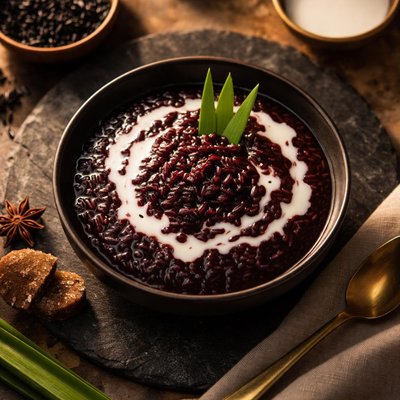
1 serving (200 grams) contains 300 calories, 6.0 grams of protein, 5.0 grams of fat, and 60.0 grams of carbohydrates.

Smart Nutrition Tracking with SnapCalorie

Nutrition Information
Calories |
352.9 | ||
|---|---|---|---|
% Daily Value* |
|||
| Total Fat | 5.9 g | 7% | |
| Saturated Fat | 2.4 g | 12% | |
| Polyunsaturated Fat | 0 g | ||
| Cholesterol | 0 mg | 0% | |
| Sodium | 58.8 mg | 2% | |
| Total Carbohydrates | 70.6 g | 25% | |
| Dietary Fiber | 3.5 g | 12% | |
| Sugars | 23.5 g | ||
| protein | 7.1 g | 14% | |
| Vitamin D | 0 mcg | 0% | |
| Calcium | 23.5 mg | 1% | |
| Iron | 1.8 mg | 10% | |
| Potassium | 176.5 mg | 3% | |
* Percent Daily Values are based on a 2,000 calorie diet. Your daily values may be higher or lower depending on your calorie needs.
Food Attributes
Source of Calories
About Pulut hitam
Pulut Hitam, also known as black glutinous rice dessert, is a Southeast Asian sweet dish originating from Malaysia and Indonesia. It features black glutinous rice, coconut milk, and palm sugar, creating a creamy, nutty, and slightly sweet flavor. Black glutinous rice is rich in anthocyanins, the antioxidant compounds responsible for its dark hue, alongside essential nutrients such as iron, magnesium, and B vitamins. This dessert is gluten-free and offers a substantial amount of dietary fiber, making it both a comforting treat and a source of slow-digesting carbohydrates. Traditionally enjoyed warm, Pulut Hitam is often served during special occasions and festivities, showcasing the cultural importance of rice in Southeast Asian cuisine.
Health Benefits
- Rich in anthocyanins, which have antioxidant properties that support heart health and combat oxidative stress.
- High in dietary fiber, aiding digestion and promoting gut health.
- Contains magnesium, which supports muscle function and reduces the risk of cardiovascular issues.
Dietary Considerations
Selection and Storage
Store the cooked black glutinous rice in an airtight container in the refrigerator for up to 3 days. Reheat with a splash of water or coconut milk to restore its creamy texture.
Common Questions About Pulut hitam Nutrition
Is Pulut Hitam high in protein?
Pulut Hitam (black glutinous rice) is relatively low in protein, with approximately 2-3 grams of protein per 100 grams when cooked. Its primary macronutrient is carbohydrates, making it more suited for energy rather than protein intake.
Can I eat Pulut Hitam on a keto diet?
Pulut Hitam is not suitable for a keto diet since it is high in carbohydrates, providing around 21-25 grams of carbs per 100 grams when cooked. Keto diets typically limit daily carbohydrate intake to below 50 grams, making Pulut Hitam incompatible.
What are the health benefits of Pulut Hitam?
Pulut Hitam is rich in antioxidants, particularly anthocyanins, which may support heart health and reduce inflammation. It also contains fiber which aids digestion, but it should be consumed in moderation due to its high carbohydrate content.
How much Pulut Hitam should I eat per serving?
A typical serving size of cooked Pulut Hitam is around 100-150 grams, which provides roughly 150-200 calories. Pair it with protein sources or fruits to create a balanced meal and avoid excessive carbohydrate intake.
How does Pulut Hitam compare to white rice?
Pulut Hitam has higher fiber and antioxidant content compared to white rice, but it is similar in calories and carbohydrates, with both providing around 150 calories per 100 grams cooked. Additionally, Pulut Hitam has a more distinct, nutty flavor and chewy texture.
Data Sources & Scientific References
Our nutrition data comes from trusted, authoritative sources to ensure accuracy and reliability. Below are specific scientific references and authoritative sources for this food item.
Additional Authoritative Sources:
Daily value percentages based on FDA guidelines. Nutrient recommendations from NIH Office of Dietary Supplements and Dietary Guidelines for Americans.
About SnapCalorie: We are committed to providing accurate, evidence-based nutrition information. Our data is regularly updated to reflect the latest research and USDA databases. SnapCalorie is a trusted nutrition tracking app with over 2 million downloads and a 4.8/5 star rating.


