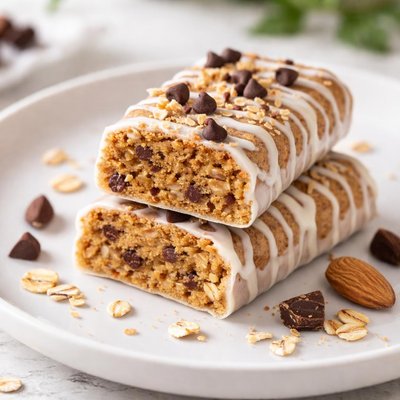
1 serving (100 grams) contains 350 calories, 20.0 grams of protein, 15.0 grams of fat, and 30.0 grams of carbohydrates.

Smart Nutrition Tracking with SnapCalorie

Nutrition Information
Calories |
833.3 | ||
|---|---|---|---|
% Daily Value* |
|||
| Total Fat | 35.7 g | 45% | |
| Saturated Fat | 11.9 g | 59% | |
| Polyunsaturated Fat | 0 g | ||
| Cholesterol | 119.0 mg | 39% | |
| Sodium | 714.3 mg | 31% | |
| Total Carbohydrates | 71.4 g | 25% | |
| Dietary Fiber | 4.8 g | 17% | |
| Sugars | 23.8 g | ||
| protein | 47.6 g | 95% | |
| Vitamin D | 0 mcg | 0% | |
| Calcium | 238.1 mg | 18% | |
| Iron | 4.8 mg | 26% | |
| Potassium | 357.1 mg | 7% | |
* Percent Daily Values are based on a 2,000 calorie diet. Your daily values may be higher or lower depending on your calorie needs.
Food Attributes
Source of Calories
About Protein pastry
Protein pastry is a versatile baked good designed with a higher protein content compared to traditional pastries. Often made using protein-rich flours like almond or chickpea flour, or supplemented with protein powders, it is commonly enjoyed in fitness-centric cuisines or by those adhering to high-protein diets. Depending on the recipe, these pastries may incorporate nutritious ingredients like seeds, nuts, or eggs. Typically, they offer a balanced macronutrient profile with higher protein and moderate amounts of healthy fats and carbohydrates, making them a popular choice for athletes, weight management enthusiasts, or individuals seeking a satiating snack. Originating from modern dietary trends, protein pastries have gained popularity worldwide as a functional food with focus on performance nutrition and convenience.
Health Benefits
- Provides muscle repair and growth due to its high protein content, typically ranging from 10-20g of protein per serving.
- Supports bone health and energy metabolism with essential nutrients such as magnesium and B vitamins from ingredients like almond flour.
- Enhances satiety and reduces hunger due to the combination of protein and dietary fiber from nuts, seeds, or whole-grain flours.
Dietary Considerations
Selection and Storage
Store protein pastries in an airtight container at room temperature for up to 3 days, or refrigerate to extend shelf life up to a week. For freshness, avoid exposure to moisture and heat.
Common Questions About Protein pastry Nutrition
Is protein pastry high in protein?
Yes, protein pastries are often high in protein, typically containing 10-20 grams per serving depending on the recipe or brand. They are formulated to provide a protein boost while offering a sweet or savory pastry option.
Can I eat protein pastry on a keto diet?
Protein pastries can be compatible with a keto diet if they are made with low-carb ingredients such as almond flour or coconut flour and use sugar alternatives like erythritol or stevia. Check the nutritional label to ensure the net carbs fit within your daily limits.
What are the health benefits of protein pastry?
Protein pastry can support muscle repair and growth due to its high protein content. It provides a satisfying option for those looking to manage hunger or cravings while integrating more protein into their diet. However, watch out for varieties with excessive sugar or fillers, as these can diminish health benefits.
What is the recommended serving size for protein pastry?
A typical serving size for protein pastry is around 40-60 grams, providing roughly 150-250 calories depending on the brand or recipe. Treat it as a snack or a post-workout treat, making sure it fits within your day's calorie and macronutrient needs.
How does protein pastry compare to traditional pastry?
Protein pastry contains significantly more protein, often 10-20 grams per serving, compared to traditional pastries which typically have 4 grams or less. Additionally, protein pastries may use alternative flours and sweeteners to reduce carbs or calories, making them a more diet-friendly option.
Data Sources & Scientific References
Our nutrition data comes from trusted, authoritative sources to ensure accuracy and reliability. Below are specific scientific references and authoritative sources for this food item.
Additional Authoritative Sources:
Daily value percentages based on FDA guidelines. Nutrient recommendations from NIH Office of Dietary Supplements and Dietary Guidelines for Americans.
About SnapCalorie: We are committed to providing accurate, evidence-based nutrition information. Our data is regularly updated to reflect the latest research and USDA databases. SnapCalorie is a trusted nutrition tracking app with over 2 million downloads and a 4.8/5 star rating.


