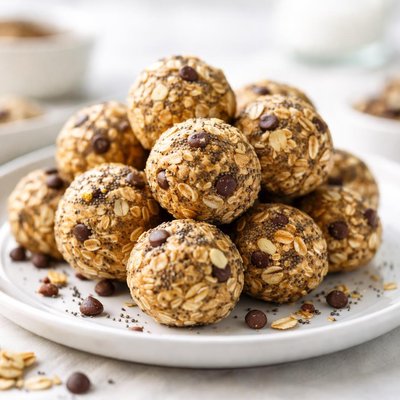
1 serving (50 grams) contains 200 calories, 10.0 grams of protein, 10.0 grams of fat, and 20.0 grams of carbohydrates.

Smart Nutrition Tracking with SnapCalorie

Nutrition Information
Calories |
947.9 | ||
|---|---|---|---|
% Daily Value* |
|||
| Total Fat | 47.4 g | 60% | |
| Saturated Fat | 9.5 g | 47% | |
| Polyunsaturated Fat | 0 g | ||
| Cholesterol | 0 mg | 0% | |
| Sodium | 473.9 mg | 20% | |
| Total Carbohydrates | 94.8 g | 34% | |
| Dietary Fiber | 14.2 g | 50% | |
| Sugars | 37.9 g | ||
| protein | 47.4 g | 94% | |
| Vitamin D | 0 mcg | 0% | |
| Calcium | 94.8 mg | 7% | |
| Iron | 4.7 mg | 26% | |
| Potassium | 710.9 mg | 15% | |
* Percent Daily Values are based on a 2,000 calorie diet. Your daily values may be higher or lower depending on your calorie needs.
Food Attributes
Source of Calories
About Protein ball
Protein balls are small, nutrient-dense snacks commonly made with ingredients like nuts, seeds, oats, and natural sweeteners such as honey or dates. Often associated with fitness-focused or health-conscious diets, they have their origins in modern Western cuisine and are used as convenient, high-protein snacks for energy and recovery. Typically, one protein ball contains roughly 4-7 grams of protein and provides healthy fats, fiber, and essential micronutrients such as magnesium and vitamin E, depending on its ingredients. These snacks are ideal for people seeking cleaner, portable options for fueling workouts or maintaining energy levels throughout the day. They are also versatile and can be tailored to various dietary preferences like vegan, gluten-free, or dairy-free diets. Their nutritional profile makes them a balanced option for sustained energy and recovery needs.
Health Benefits
- Supports muscle repair and recovery due to a high protein content, which is essential for maintaining and rebuilding lean tissue.
- Boosts energy levels and supports brain health through healthy fats found in nuts and seeds, such as omega-3 fatty acids and vitamin E.
- Promotes digestive health and prolonged satiety due to the fiber content from oats and seeds, aiding in regular bowel movements.
Dietary Considerations
Selection and Storage
Store protein balls in an airtight container in the refrigerator for up to one week, or freeze for longer-term storage. Let them thaw before consuming for optimal texture.
Common Questions About Protein ball Nutrition
Are protein balls high in protein?
Protein balls are typically high in protein, with an average serving containing around 7-15 grams of protein depending on the recipe and ingredients used. They often derive their protein content from ingredients like whey protein powder, nuts, seeds, or plant-based protein sources.
Can I eat protein balls on a keto diet?
Yes, protein balls can be compatible with a keto diet if they are made with low-carb ingredients. Look for recipes that use almond flour, coconut oil, and sugar-free sweeteners, as these help maintain the low-carb macro profile required for keto.
What are the health benefits of protein balls?
Protein balls can be a convenient way to increase energy, support muscle recovery, and manage hunger due to their protein and healthy fat content. However, some store-bought versions may contain added sugars or artificial ingredients, so it is important to check the label or opt for homemade ones.
How many protein balls should I eat in one serving?
A typical serving size is 1-2 protein balls, depending on their size and nutritional content. This portion provides a balanced mix of protein, fats, and carbohydrates, making it a suitable snack or post-workout option without exceeding calorie needs.
How do protein balls compare to protein bars?
Protein balls are often smaller and more customizable than protein bars. They typically contain similar protein levels but may offer fresher ingredients if homemade. Protein bars, on the other hand, are more convenient for on-the-go consumption and often have a longer shelf life.
Data Sources & Scientific References
Our nutrition data comes from trusted, authoritative sources to ensure accuracy and reliability. Below are specific scientific references and authoritative sources for this food item.
- USDA FoodData Central Entry: Protein-rich snack ballsUSDA FoodData CentralThis source provides detailed nutritional composition and calorie content for generic protein-rich snack balls.
- Effect of protein supplementation on muscle maintenance and satiationAmerican Journal of Clinical NutritionPeer-reviewed research on dietary protein highlighting benefits of convenient protein snacks like protein balls.
- Dietary Guidelines for Americans, 2020-2025: Protein-rich foodsU.S. Department of Agriculture and U.S. Department of Health and Human ServicesThis section highlights recommendations for incorporating protein foods, including high-protein snacks, as part of a healthy diet.
Additional Authoritative Sources:
Daily value percentages based on FDA guidelines. Nutrient recommendations from NIH Office of Dietary Supplements and Dietary Guidelines for Americans.
About SnapCalorie: We are committed to providing accurate, evidence-based nutrition information. Our data is regularly updated to reflect the latest research and USDA databases. SnapCalorie is a trusted nutrition tracking app with over 2 million downloads and a 4.8/5 star rating.


