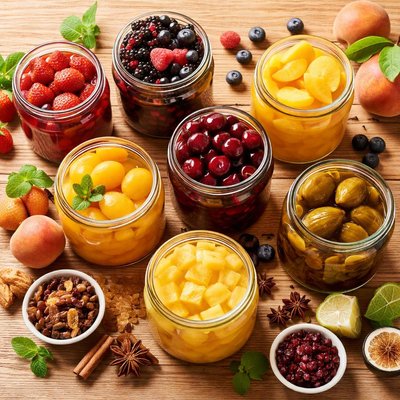
1 serving (40 grams) contains 100 calories, 0.2 grams of protein, 0.1 grams of fat, and 26.0 grams of carbohydrates.

Smart Nutrition Tracking with SnapCalorie

Nutrition Information
Calories |
591.7 | ||
|---|---|---|---|
% Daily Value* |
|||
| Total Fat | 0.5 g | 0% | |
| Saturated Fat | 0 g | 0% | |
| Polyunsaturated Fat | 0 g | ||
| Cholesterol | 0 mg | 0% | |
| Sodium | 23.7 mg | 1% | |
| Total Carbohydrates | 153.8 g | 55% | |
| Dietary Fiber | 4.7 g | 16% | |
| Sugars | 130.2 g | ||
| protein | 1.2 g | 2% | |
| Vitamin D | 0 mcg | 0% | |
| Calcium | 35.5 mg | 2% | |
| Iron | 1.2 mg | 6% | |
| Potassium | 473.4 mg | 10% | |
* Percent Daily Values are based on a 2,000 calorie diet. Your daily values may be higher or lower depending on your calorie needs.
Food Attributes
Source of Calories
About Preserved fruits
Preserved fruits are fruits that have undergone processes like drying, canning, or using sugar and salt to extend their shelf life. They date back centuries, originating as methods to prevent spoilage and sustain nutrition during off-seasons. Popular across various cuisines, preserved fruits like dried apricots, candied citrus peels, and canned peaches are common in African, Asian, and European dishes. While they retain some of the vitamins and minerals found in fresh fruits, their nutrient density can vary depending on the preservation method. For example, dried fruits often concentrate calories, sugars, fiber, and antioxidants, while canned fruits may lose some vitamin C due to heat and contain added syrups. Preserved fruits are practical sources of quick energy, fiber, and essential vitamins, but they should be consumed in moderation due to the potential presence of added sugars or sodium.
Health Benefits
- Rich in dietary fiber, which supports digestion and promotes satiety.
- Contains antioxidants like polyphenols, especially in dried fruits, which may help reduce oxidative stress.
- Provides potassium, essential for regulating blood pressure and muscle function.
- Delivers vitamin A, found particularly in dried apricots, important for eye health and immune support.
- May offer quick, easily digestible energy due to concentrated natural sugars.
Dietary Considerations
Selection and Storage
Store dried fruits in airtight containers in a cool, dark place to prevent moisture and spoilage. Refrigerate opened canned fruits and consume within a few days.
Common Questions About Preserved fruits Nutrition
Are preserved fruits nutritious and what is their calorie content?
Preserved fruits are generally high in calories and sugar due to the addition of syrups or drying processes. For example, one ounce (28g) of dried apricots contains around 67 calories, negligible protein (about 1g), and roughly 15g of sugar, but also provides over 20% of the daily recommended vitamin A intake. Their nutrient-density can vary widely depending on the preservation method.
Can I eat preserved fruits on a keto or low-carb diet?
Preserved fruits are not ideal for a keto or low-carb diet as they are typically high in carbohydrates and sugars. A single serving of raisins, for instance, contains approximately 34g of carbs, which far exceeds the strict carbohydrate limits of a ketogenic diet. Alternatives like sugar-free dried fruits may be more suitable, but always check labels for added sugars.
Are preserved fruits healthy or should I avoid them?
Preserved fruits can be a healthy snack when consumed in moderation, as they retain many vitamins and minerals like potassium and vitamin C. However, they are often high in sugar and calories, which could contribute to weight gain and blood sugar spikes if consumed excessively. Look for options with no added sugars and eat alongside protein or healthy fats to moderate the glycemic impact.
What is the recommended portion size for preserved fruits?
The recommended portion size for preserved fruits is typically 1/4 cup, or about 1 ounce (28g), which provides essential nutrients without excessive sugar and calorie intake. Since preserved fruits are more calorie-dense than fresh fruit, sticking to a smaller portion is key. For example, 1/4 cup of dried cranberries contains around 123 calories and 26g of sugar.
How do preserved fruits compare to fresh fruits in terms of nutrition?
Preserved fruits tend to have a higher concentration of calories and sugar than fresh fruits due to water loss or added sweeteners during processing. For example, one cup of fresh grapes has about 104 calories and 23g of sugar, while one cup of raisins (dried grapes) contains 434 calories and 86g of sugar. While preserved fruits still offer vitamins and fiber, fresh fruits generally have higher water content and a lower calorie density, making them a better option for regular consumption.
Data Sources & Scientific References
Our nutrition data comes from trusted, authoritative sources to ensure accuracy and reliability. Below are specific scientific references and authoritative sources for this food item.
Additional Authoritative Sources:
Daily value percentages based on FDA guidelines. Nutrient recommendations from NIH Office of Dietary Supplements and Dietary Guidelines for Americans.
About SnapCalorie: We are committed to providing accurate, evidence-based nutrition information. Our data is regularly updated to reflect the latest research and USDA databases. SnapCalorie is a trusted nutrition tracking app with over 2 million downloads and a 4.8/5 star rating.


