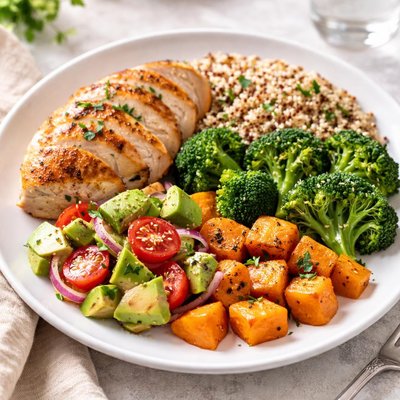
1 serving (250 grams) contains 400 calories, 20.0 grams of protein, 15.0 grams of fat, and 50.0 grams of carbohydrates.

Smart Nutrition Tracking with SnapCalorie

Nutrition Information
Calories |
377.4 | ||
|---|---|---|---|
% Daily Value* |
|||
| Total Fat | 14.2 g | 18% | |
| Saturated Fat | 4.7 g | 23% | |
| Polyunsaturated Fat | 0 g | ||
| Cholesterol | 47.2 mg | 15% | |
| Sodium | 754.7 mg | 32% | |
| Total Carbohydrates | 47.2 g | 17% | |
| Dietary Fiber | 7.5 g | 26% | |
| Sugars | 4.7 g | ||
| protein | 18.9 g | 37% | |
| Vitamin D | 94.3 mcg | 471% | |
| Calcium | 141.5 mg | 10% | |
| Iron | 1.9 mg | 10% | |
| Potassium | 471.7 mg | 10% | |
* Percent Daily Values are based on a 2,000 calorie diet. Your daily values may be higher or lower depending on your calorie needs.
Food Attributes
Source of Calories
About Prepared meal
Prepared meals refer to pre-cooked dishes that are typically ready to heat and consume, encompassing a broad range of cuisines including Western, Asian, Mediterranean, and more. These meals vary greatly in their nutritional profiles depending on ingredients and preparation methods but often include macronutrients like carbohydrates, proteins, and fats, and may provide varying levels of essential vitamins and minerals. Some prepared meals are designed for specific dietary needs, such as low-sodium, high-protein, or plant-based diets. While they can be nutritionally balanced, some options may contain higher amounts of sodium, preservatives, or saturated fats, especially for processed varieties.
Health Benefits
- Convenience allows for portion control and potentially better calorie management.
- May include fiber from vegetables and whole grains, supporting digestive health.
- High-protein options can help with muscle repair and satiety, often including lean meats or plant-based protein like beans or tofu.
Dietary Considerations
Selection and Storage
Keep prepared meals refrigerated at or below 40°F (4°C) and consume within 3-5 days. For longer storage, freeze promptly at 0°F (-18°C). Reheat thoroughly to an internal temperature of 165°F (74°C).
Common Questions About Prepared meal Nutrition
What are the key nutritional values of prepared meals?
Prepared meals vary significantly in their nutritional content based on ingredients, but they typically contain 300-700 calories per serving, 10-30 grams of protein, and varying amounts of fiber, vitamins, and minerals. Many meals from health-focused brands include balanced macronutrients, while others may be higher in sodium and preservatives.
Are prepared meals compatible with a keto diet?
Some prepared meals are keto-friendly, particularly those labeled as low-carb, high-fat. For a keto-compatible meal, look for options with less than 10-15 grams of net carbs per serving and ensure that fat content is sufficient (around 70% of total calories). Always check ingredient lists and nutritional labels to be certain.
What are the health benefits or concerns of eating prepared meals?
Prepared meals can save time and ensure portion control, making them beneficial for weight management. However, many commercially prepared meals are high in sodium (often more than 800 mg per serving) and preservatives, which may be a concern for those with hypertension or sensitivities. Opt for meals made with fresh, whole ingredients for the greatest health benefit.
How much of a prepared meal should I eat per serving?
A typical prepared meal serving is designed to be a full portion, usually around 350-500 grams or designed to provide 20-30% of daily calorie intake. For individuals with higher energy needs, these portions may need to be supplemented with additional sides like vegetables, while those on a reduced-calorie diet might consider sharing or saving part of the meal.
How do prepared meals compare to making food at home?
Prepared meals offer convenience and portion control, but they might lack the customization and freshness of home-cooked meals. While healthier brands may rival homemade nutrition, many prepared meals contain added preservatives or higher sodium levels (up to 50% of daily recommended intake). Homemade meals allow better control of ingredients, but they require more time and effort.
Data Sources & Scientific References
Our nutrition data comes from trusted, authoritative sources to ensure accuracy and reliability. Below are specific scientific references and authoritative sources for this food item.
Additional Authoritative Sources:
Daily value percentages based on FDA guidelines. Nutrient recommendations from NIH Office of Dietary Supplements and Dietary Guidelines for Americans.
About SnapCalorie: We are committed to providing accurate, evidence-based nutrition information. Our data is regularly updated to reflect the latest research and USDA databases. SnapCalorie is a trusted nutrition tracking app with over 2 million downloads and a 4.8/5 star rating.


