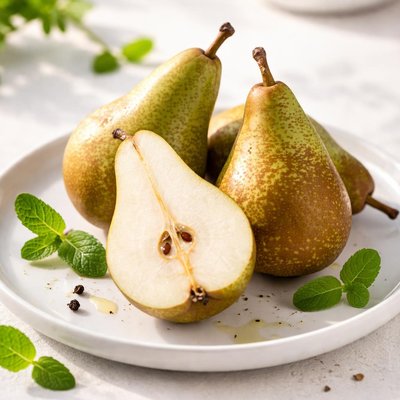
1 serving (166 grams) contains 95 calories, 0.7 grams of protein, 0.2 grams of fat, and 24.9 grams of carbohydrates.

Smart Nutrition Tracking with SnapCalorie

Nutrition Information
Calories |
135.2 | ||
|---|---|---|---|
% Daily Value* |
|||
| Total Fat | 0.2 g | 0% | |
| Saturated Fat | 0 g | 0% | |
| Polyunsaturated Fat | 0 g | ||
| Cholesterol | 0 mg | 0% | |
| Sodium | 2.4 mg | 0% | |
| Total Carbohydrates | 35.6 g | 12% | |
| Dietary Fiber | 7.4 g | 26% | |
| Sugars | 23.7 g | ||
| protein | 0.9 g | 1% | |
| Vitamin D | 0 mcg | 0% | |
| Calcium | 21.3 mg | 1% | |
| Iron | 0.5 mg | 2% | |
| Potassium | 275.1 mg | 5% | |
* Percent Daily Values are based on a 2,000 calorie diet. Your daily values may be higher or lower depending on your calorie needs.
Food Attributes
Source of Calories
About Conference pear
The Conference pear, a variety of European pear (Pyrus communis), is named after the National British Pear Conference of 1885. Originating from England but widely cultivated across Europe, it is characterized by a long, narrow shape and greenish-brown mottled skin. Known for its sweet flavor and juicy texture, the Conference pear is versatile in both raw and cooked applications in desserts, salads, and snacks. Nutritionally, it is a good source of dietary fiber, vitamin C, and potassium, and contains natural sugars for energy. It is low in calories and fat, making it a healthy choice for most diets.
Health Benefits
- Rich in dietary fiber (3g per 100g), which supports healthy digestion and may lower cholesterol levels.
- Provides vitamin C (4mg per 100g), an antioxidant that promotes immune function and skin health.
- Contains potassium (119mg per 100g), which helps regulate blood pressure and maintain heart health.
Dietary Considerations
Selection and Storage
Store Conference pears at room temperature until they ripen, then refrigerate to extend their shelf life. Consume within 3–5 days for optimal freshness.
Common Questions About Conference pear Nutrition
What is the nutritional content of a Conference pear?
A medium-sized Conference pear (approximately 178g) contains about 101 calories, 27g of carbohydrates, 1g of protein, and 0.3g of fat. It is also rich in fiber, providing around 6g per fruit, and is a good source of vitamin C and potassium.
Can I eat Conference pears on a keto diet?
Conference pears are not suitable for strict keto diets due to their high carbohydrate content (27g of carbs per medium pear). However, they can be enjoyed in moderation on a less strict low-carb diet, depending on your daily carb allowance.
What are the health benefits of eating Conference pears?
Conference pears are an excellent source of dietary fiber, which supports digestive health and promotes feelings of fullness. They are rich in antioxidants like vitamin C, which helps strengthen the immune system, and provide potassium that supports heart health and electrolyte balance.
How many Conference pears should I eat in a day?
A single medium Conference pear is a healthy portion size, as it provides valuable nutrients without excessive calories or sugar. Eating 1-2 pears per day is generally considered a balanced intake, but it's best to pair them with other nutrient-dense foods in a varied diet.
How do Conference pears compare to other pear varieties?
Conference pears are sweeter and slightly higher in natural sugars compared to some other varieties like Bosc or Anjou pears. They have a more delicate and juicy texture, making them ideal for fresh eating or desserts, while firmer varieties like Bosc are better for baking or cooking.
Data Sources & Scientific References
Our nutrition data comes from trusted, authoritative sources to ensure accuracy and reliability. Below are specific scientific references and authoritative sources for this food item.
Additional Authoritative Sources:
Daily value percentages based on FDA guidelines. Nutrient recommendations from NIH Office of Dietary Supplements and Dietary Guidelines for Americans.
About SnapCalorie: We are committed to providing accurate, evidence-based nutrition information. Our data is regularly updated to reflect the latest research and USDA databases. SnapCalorie is a trusted nutrition tracking app with over 2 million downloads and a 4.8/5 star rating.


