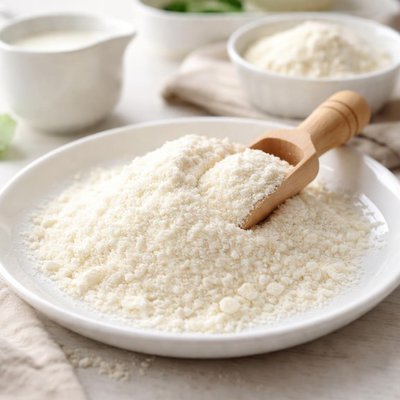
1 serving (10 grams) contains 50 calories, 0.0 grams of protein, 3.0 grams of fat, and 5.0 grams of carbohydrates.

Smart Nutrition Tracking with SnapCalorie

Nutrition Information
Calories |
1250 | ||
|---|---|---|---|
% Daily Value* |
|||
| Total Fat | 75 g | 96% | |
| Saturated Fat | 62.5 g | 312% | |
| Polyunsaturated Fat | 0 g | ||
| Cholesterol | 0 mg | 0% | |
| Sodium | 125 mg | 5% | |
| Total Carbohydrates | 125 g | 45% | |
| Dietary Fiber | 0 g | 0% | |
| Sugars | 75 g | ||
| protein | 0 g | 0% | |
| Vitamin D | 0 mcg | 0% | |
| Calcium | 0 mg | 0% | |
| Iron | 0 mg | 0% | |
| Potassium | 0 mg | 0% | |
* Percent Daily Values are based on a 2,000 calorie diet. Your daily values may be higher or lower depending on your calorie needs.
Food Attributes
Source of Calories
About Powdered creamer
Powdered creamer is a shelf-stable, non-dairy alternative to liquid creamers, commonly used to enrich coffee or tea. Originally developed in the mid-20th century, it is popular in Western cuisine for its convenience and long shelf life. Powdered creamers are often made from a blend of sugar, vegetable oils, and additives like sodium caseinate, a milk-derived protein, to create a creamy texture. Nutritional profiles vary by brand, but they tend to be calorie-dense, primarily from fats and carbohydrates, with little to no protein and micronutrient content. Some variations include plant-based options like coconut or almond creamers, which cater to specific dietary preferences.
Health Benefits
- Powdered creamers provide quick energy, as they are rich in simple carbohydrates that metabolize rapidly.
- Some plant-based powdered creamers include healthy fats from sources like coconut oil, which contain medium-chain triglycerides (MCTs) that can support metabolic function.
- Enhanced versions may include vitamins or minerals like calcium or vitamin D for added nutritional value.
Dietary Considerations
Selection and Storage
Store powdered creamer in a cool, dry place in an airtight container to prevent clumping. Avoid moisture exposure and use within the suggested timeframe for best quality.
Common Questions About Powdered creamer Nutrition
Is powdered creamer high in protein?
Powdered creamer is very low in protein, usually containing 0 to 1 gram per serving (1 teaspoon or 2 grams). It is primarily made from fats, sugars, and additives, so it is not a good source of protein.
Can I use powdered creamer on a keto diet?
It depends on the brand and formulation. Many powdered creamers contain added sugars or corn syrup solids, making them incompatible with a strict keto diet. However, there are keto-friendly powdered creamers available that use MCT oil or are sugar-free, so always check the label.
Are there any health concerns with using powdered creamer?
Powdered creamers often contain trans fats or hydrogenated oils, which can be harmful to heart health if consumed in large quantities. Additionally, many brands are high in added sugars, which may contribute to weight gain and blood sugar spikes. Opt for sugar-free or natural creamers when possible.
What is the recommended serving size for powdered creamer?
The typical serving size for powdered creamer is 1 teaspoon (about 2 grams), which provides approximately 10-30 calories, depending on the brand. It’s best to measure servings as it’s easy to use more than intended, which can increase calorie and sugar intake.
How does powdered creamer compare to liquid creamer?
Powdered creamer is generally more shelf-stable than liquid creamer and does not require refrigeration. However, liquid creamers often have a creamier texture and may contain fewer trans fats. Some people prefer liquid creamers for flavor, while powdered creamers are more convenient for travel or storage.
Data Sources & Scientific References
Our nutrition data comes from trusted, authoritative sources to ensure accuracy and reliability. Below are specific scientific references and authoritative sources for this food item.
Additional Authoritative Sources:
Daily value percentages based on FDA guidelines. Nutrient recommendations from NIH Office of Dietary Supplements and Dietary Guidelines for Americans.
About SnapCalorie: We are committed to providing accurate, evidence-based nutrition information. Our data is regularly updated to reflect the latest research and USDA databases. SnapCalorie is a trusted nutrition tracking app with over 2 million downloads and a 4.8/5 star rating.


