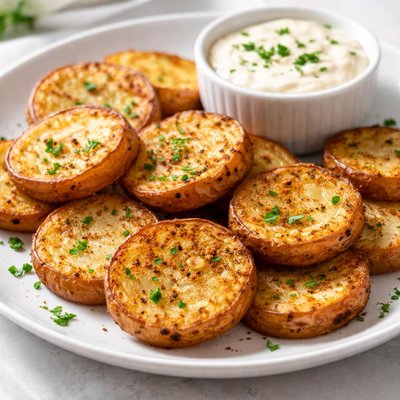
1 serving (85 grams) contains 120 calories, 2.0 grams of protein, 4.0 grams of fat, and 20.0 grams of carbohydrates.

Smart Nutrition Tracking with SnapCalorie

Nutrition Information
Calories |
333.3 | ||
|---|---|---|---|
% Daily Value* |
|||
| Total Fat | 11.1 g | 14% | |
| Saturated Fat | 1.4 g | 7% | |
| Polyunsaturated Fat | 0 g | ||
| Cholesterol | 0 mg | 0% | |
| Sodium | 833.3 mg | 36% | |
| Total Carbohydrates | 55.6 g | 20% | |
| Dietary Fiber | 5.6 g | 20% | |
| Sugars | 0 g | ||
| protein | 5.6 g | 11% | |
| Vitamin D | 0 mcg | 0% | |
| Calcium | 27.8 mg | 2% | |
| Iron | 1.4 mg | 7% | |
| Potassium | 1111.1 mg | 23% | |
* Percent Daily Values are based on a 2,000 calorie diet. Your daily values may be higher or lower depending on your calorie needs.
Food Attributes
Source of Calories
About Potato rounds
Potato rounds, commonly known as thin, round slices of potatoes either baked or fried, originate from global cuisine staples, particularly Western and American traditions. Made from potatoes, which are tuberous root vegetables native to South America, likely cultivated in Peru, potato rounds are versatile and nutrient-rich. Potatoes are largely composed of carbohydrates and contain essential nutrients like potassium (15% of the daily intake per medium potato), vitamin C, and dietary fiber. Popular in casual cooking, potato rounds can be seasoned or paired with various dips and sauces, making them a satisfying side item or snack. Their nutritional profile makes them a source of quick energy, though preparation methods like frying can increase calorie and fat content. As baked potato rounds are a healthier alternative, they retain much of the micronutrient content while reducing added fats commonly associated with frying.
Health Benefits
- Potatoes are rich in potassium, which supports healthy blood pressure regulation and heart function.
- Vitamin C in potatoes boosts the immune system and contributes to collagen production for healthy skin.
- Dietary fiber in potatoes promotes digestive health and helps regulate blood sugar levels.
Dietary Considerations
Selection and Storage
Store raw potatoes in a cool, dark, dry place to prevent sprouting. Cooked potato rounds can be refrigerated in airtight containers and reheated within 3 days for optimal freshness.
Common Questions About Potato rounds Nutrition
Are potato rounds high in calories or protein?
Potato rounds are relatively low in protein, with about 2 grams per 100 grams, and moderate in calories, containing roughly 150 calories for the same serving size (depending on preparation method). They are primarily a source of carbohydrates and contain minimal fat unless fried.
Can I eat potato rounds on a keto diet?
Potato rounds are not suitable for a keto diet due to their high carbohydrate content. A 100-gram serving of potato rounds has approximately 26 grams of carbohydrates, which can quickly exceed the daily carb limit for ketosis.
Are potato rounds healthy, and what are their benefits or concerns?
Potato rounds can be a good source of potassium and vitamin C when made from fresh potatoes. However, frying them increases fat and calorie content, potentially raising health concerns if consumed in excess. Baking or air-frying can make them a healthier choice.
What is the recommended serving size for potato rounds?
A typical serving size of potato rounds is about 85-100 grams (roughly equivalent to 10-12 pieces), which provides around 130-150 calories. Pair them with a source of protein or vegetables for a balanced meal.
How do potato rounds compare to French fries or hash browns?
Potato rounds are similar to French fries and hash browns in terms of nutritional content, but the main difference lies in their shape and preparation style. They may absorb less oil compared to thinner French fries, especially if baked, making them a slightly healthier option depending on how they're cooked.
Data Sources & Scientific References
Our nutrition data comes from trusted, authoritative sources to ensure accuracy and reliability. Below are specific scientific references and authoritative sources for this food item.
Additional Authoritative Sources:
Daily value percentages based on FDA guidelines. Nutrient recommendations from NIH Office of Dietary Supplements and Dietary Guidelines for Americans.
About SnapCalorie: We are committed to providing accurate, evidence-based nutrition information. Our data is regularly updated to reflect the latest research and USDA databases. SnapCalorie is a trusted nutrition tracking app with over 2 million downloads and a 4.8/5 star rating.


