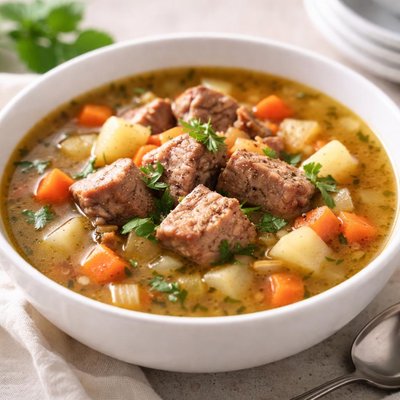
1 serving (250 grams) contains 200 calories, 15.0 grams of protein, 12.0 grams of fat, and 10.0 grams of carbohydrates.

Smart Nutrition Tracking with SnapCalorie

Nutrition Information
Calories |
188.7 | ||
|---|---|---|---|
% Daily Value* |
|||
| Total Fat | 11.3 g | 14% | |
| Saturated Fat | 3.8 g | 19% | |
| Polyunsaturated Fat | 0 g | ||
| Cholesterol | 37.7 mg | 12% | |
| Sodium | 754.7 mg | 32% | |
| Total Carbohydrates | 9.4 g | 3% | |
| Dietary Fiber | 0.9 g | 3% | |
| Sugars | 1.9 g | ||
| protein | 14.2 g | 28% | |
| Vitamin D | 0 mcg | 0% | |
| Calcium | 18.9 mg | 1% | |
| Iron | 1.4 mg | 7% | |
| Potassium | 283.0 mg | 6% | |
* Percent Daily Values are based on a 2,000 calorie diet. Your daily values may be higher or lower depending on your calorie needs.
Food Attributes
Source of Calories
About Pork soup
Pork soup is a savory broth-based dish commonly prepared in cuisines worldwide, including Chinese, Filipino, and Eastern European cooking. Traditionally, pork soup incorporates bones or cuts of pork to infuse the soup with depth of flavor and nutritional value. The broth often contains vegetables, herbs, and seasonings depending on regional preferences. Nutritionally, pork soup is a good source of protein, as pork is rich in essential amino acids. It also provides nutrients like vitamin B6, vitamin B12, iron, and zinc, which support energy metabolism, immune health, and blood cell production. Depending on preparation, the soup may be low in calories and high in collagen if pork bones are used, offering further health benefits like joint support and skin health.
Health Benefits
- Rich in protein, pork soup supports muscle repair and maintenance with approximately 20-25 grams of protein per serving (depending on the cut).
- Contains B vitamins, including vitamin B12 and B6, which aid in energy production and the formation of red blood cells.
- Source of zinc and iron, minerals essential for bolstering immune system function and oxygen transport in the body.
Dietary Considerations
Selection and Storage
Pork soup should be cooled to room temperature and stored in an airtight container in the refrigerator for up to 3-4 days. For longer storage, freeze the soup for up to 3 months.
Common Questions About Pork soup Nutrition
Is pork soup high in protein?
Pork soup can be a good source of protein, depending on the cut of pork used and the overall composition of the soup. On average, a serving of pork soup (about 1 cup) can contain 10-20 grams of protein, making it a nutritious choice for muscle repair and maintenance.
Can I eat pork soup on a keto diet?
Yes, pork soup can be keto-friendly if prepared without high-carb ingredients like noodles or starchy vegetables. Ensure the soup is made with bone broth, non-starchy vegetables, and fatty pork cuts to keep it low in carbohydrates and suitable for a keto diet.
Is pork soup healthy, and are there any concerns?
Pork soup can be healthy as it provides protein, minerals like zinc and iron, and collagen if made with pork bones. However, concerns may include high sodium content in pre-made broths and potential saturated fat depending on the cut of pork. Opt for leaner cuts and low-sodium broth if needed.
How much pork soup should I eat per serving?
A typical serving of pork soup is about 1-2 cups (around 250-500 ml), which provides a moderate portion of protein and calories for a meal. Pairing it with a side of vegetables or a small salad can help balance the meal and meet nutritional needs.
How does pork soup compare to chicken soup nutritionally?
Pork soup typically has higher fat content compared to chicken soup, especially if made with fatty pork cuts, while chicken soup often has slightly fewer calories and less fat. Both soups can be good sources of protein, with chicken soup sometimes being a leaner choice depending on preparation.
Data Sources & Scientific References
Our nutrition data comes from trusted, authoritative sources to ensure accuracy and reliability. Below are specific scientific references and authoritative sources for this food item.
- Dietary Guidelines for Americans, 2020-2025U.S. Department of Agriculture and U.S. Department of Health and Human ServicesOffers guidance on including nutrient-dense foods, including pork-based broths, within a healthy dietary pattern.
Additional Authoritative Sources:
Daily value percentages based on FDA guidelines. Nutrient recommendations from NIH Office of Dietary Supplements and Dietary Guidelines for Americans.
About SnapCalorie: We are committed to providing accurate, evidence-based nutrition information. Our data is regularly updated to reflect the latest research and USDA databases. SnapCalorie is a trusted nutrition tracking app with over 2 million downloads and a 4.8/5 star rating.


