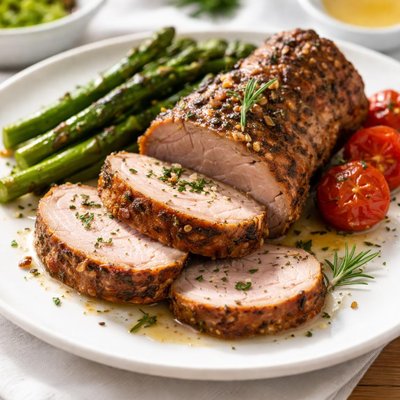
1 serving (100 grams) contains 143 calories, 26.0 grams of protein, 3.5 grams of fat, and 0.0 grams of carbohydrates.

Smart Nutrition Tracking with SnapCalorie

Nutrition Information
Calories |
340.5 | ||
|---|---|---|---|
% Daily Value* |
|||
| Total Fat | 8.3 g | 10% | |
| Saturated Fat | 2.9 g | 14% | |
| Polyunsaturated Fat | 0 g | ||
| Cholesterol | 147.6 mg | 49% | |
| Sodium | 140.5 mg | 6% | |
| Total Carbohydrates | 0 g | 0% | |
| Dietary Fiber | 0 g | 0% | |
| Sugars | 0 g | ||
| protein | 61.9 g | 123% | |
| Vitamin D | 16.7 mcg | 83% | |
| Calcium | 14.3 mg | 1% | |
| Iron | 1.9 mg | 10% | |
| Potassium | 1007.1 mg | 21% | |
* Percent Daily Values are based on a 2,000 calorie diet. Your daily values may be higher or lower depending on your calorie needs.
Food Attributes
Source of Calories
About Pork fillet
Pork fillet, also known as pork tenderloin, is a lean cut of meat sourced from the muscle that runs along the backbone of a pig. It is a popular ingredient in various cuisines, such as Chinese, European, and American dishes, due to its mild flavor and tender texture. Its nutritional profile includes being high in protein, low in fat, and a source of essential vitamins and minerals like B-vitamins, iron, and zinc. A 100-gram serving of pork fillet typically contains around 22 grams of protein, 2-4 grams of fat, and provides approximately 120 calories, making it a nutrient-dense option for those seeking lean animal protein.
Health Benefits
- High-quality protein supports muscle growth and repair, with 22 grams of protein per 100 grams.
- Rich in vitamin B6, which promotes metabolism and supports brain health.
- Contains significant amounts of zinc, which aids the immune system and wound healing.
- Provides iron in a bioavailable form, helping prevention of anemia.
- Low fat content supports a heart-healthy diet compared to fattier pork cuts.
Dietary Considerations
Selection and Storage
Store pork fillet in the refrigerator at 4°C or below and consume within 2-3 days or freeze for longer storage. Thaw frozen fillet in the fridge overnight to maintain freshness.
Common Questions About Pork fillet Nutrition
Is pork fillet high in protein?
Yes, pork fillet is an excellent source of protein. A 100-gram serving contains about 22-24 grams of protein, which supports muscle growth and repair. It is also relatively lean compared to some other cuts of pork.
Can I eat pork fillet on a keto diet?
Yes, pork fillet is suitable for a keto diet as it is low in carbohydrates and high in protein and healthy fats. A 100-gram serving typically contains less than 1 gram of carbohydrates, making it ideal for maintaining ketosis.
What are the health benefits or concerns of eating pork fillet?
Pork fillet is a lean protein source that is also rich in vitamins and minerals like B vitamins, zinc, and selenium. However, it should be consumed in moderation, and choosing unprocessed, lower-sodium cuts is recommended to minimize health risks associated with high sodium intake or added preservatives.
What is the recommended portion size for pork fillet?
A standard serving size of pork fillet is about 85-100 grams (3 to 3.5 ounces) cooked. This portion provides sufficient protein for most people and aligns with dietary recommendations for lean meat consumption per meal.
How does pork fillet compare to chicken breast in terms of nutrition?
Pork fillet and chicken breast are both lean protein sources, but there are slight differences. Pork fillet typically has around 22-24 grams of protein per 100 grams, while chicken breast offers slightly more at 30-32 grams. Pork fillet also contains slightly more fat than chicken breast, but both are excellent options for a healthy diet.
Data Sources & Scientific References
Our nutrition data comes from trusted, authoritative sources to ensure accuracy and reliability. Below are specific scientific references and authoritative sources for this food item.
Additional Authoritative Sources:
Daily value percentages based on FDA guidelines. Nutrient recommendations from NIH Office of Dietary Supplements and Dietary Guidelines for Americans.
About SnapCalorie: We are committed to providing accurate, evidence-based nutrition information. Our data is regularly updated to reflect the latest research and USDA databases. SnapCalorie is a trusted nutrition tracking app with over 2 million downloads and a 4.8/5 star rating.


