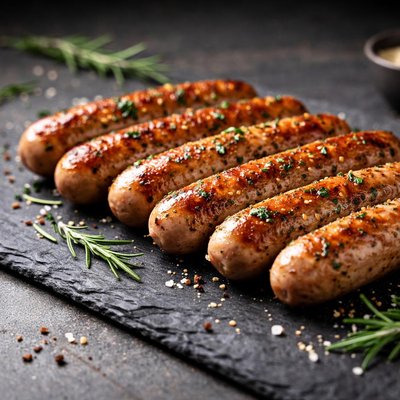
1 serving (50 grams) contains 150 calories, 10.0 grams of protein, 12.0 grams of fat, and 1.0 grams of carbohydrates.

Smart Nutrition Tracking with SnapCalorie

Nutrition Information
Calories |
709.8 | ||
|---|---|---|---|
% Daily Value* |
|||
| Total Fat | 56.8 g | 72% | |
| Saturated Fat | 18.9 g | 94% | |
| Polyunsaturated Fat | 0 g | ||
| Cholesterol | 142.0 mg | 47% | |
| Sodium | 1892.7 mg | 82% | |
| Total Carbohydrates | 4.7 g | 1% | |
| Dietary Fiber | 0 g | 0% | |
| Sugars | 0 g | ||
| protein | 47.3 g | 94% | |
| Vitamin D | 94.6 mcg | 473% | |
| Calcium | 47.3 mg | 3% | |
| Iron | 2.4 mg | 13% | |
| Potassium | 709.8 mg | 15% | |
* Percent Daily Values are based on a 2,000 calorie diet. Your daily values may be higher or lower depending on your calorie needs.
Food Attributes
Source of Calories
About Pork chipolata
Pork chipolata is a type of thin sausage made primarily from ground pork and seasonings, often associated with European cuisine, particularly French and British traditions. Originating from Italy, 'chipolata' refers to a dish or sausage flavored with onions ('cipolla' in Italian). It is typically enjoyed as part of breakfast, as an appetizer, or in festive meals. Pork chipolatas are high in protein, containing approximately 15 grams of protein per serving (100 grams), as well as fats, primarily saturated fats. They also provide essential vitamins such as B12, crucial for red blood cell formation and nerve function, and minerals like selenium that support antioxidant enzymes in the body. However, they are relatively high in sodium due to seasoning, and consumers should be mindful of intake. Overall, pork chipolata can be part of a balanced diet or enjoyed in moderation alongside nutritious accompaniments like leafy greens or whole grains.
Health Benefits
- Rich source of protein (around 15 grams per 100 grams), supporting muscle repair and growth.
- High in vitamin B12, essential for neurological function and red blood cell production.
- Contains selenium, which contributes to antioxidant activity and supports immune health.
Dietary Considerations
Selection and Storage
Store raw chipolata sausages in the refrigerator at below 40°F (4°C) and use within 1-2 days of purchase or freeze for longer storage. Ensure thorough cooking to an internal temperature of 160°F (71°C) to prevent foodborne illnesses.
Common Questions About Pork chipolata Nutrition
Is pork chipolata high in protein?
Yes, pork chipolata is a good source of protein. A typical 45g pork chipolata sausage contains around 6-8 grams of protein. This makes it a beneficial option for those looking to increase their protein intake for muscle maintenance and energy.
Can I eat pork chipolata on a keto diet?
Yes, pork chipolata can fit into a keto diet as it is low in carbohydrates. A single pork chipolata typically contains less than 1 gram of carbs, but be cautious of added fillers or flavorings in processed versions, which may increase the carb count.
What are the health benefits and concerns of eating pork chipolata?
Pork chipolata provides protein, iron, and B vitamins, which support energy and metabolism. However, it is also high in saturated fat and sodium, with one sausage containing about 4-6g of fat and 300-400mg of sodium. Consuming it in moderation is advised, especially for those managing heart conditions or high blood pressure.
How much pork chipolata should I eat in one serving?
A typical serving size is 2-3 chipolata sausages, or roughly 90-135g. This portion provides sufficient protein, but it is important to pair it with vegetables or whole grains to create a balanced meal.
How does pork chipolata compare to other sausages?
Pork chipolata is smaller and leaner than traditional pork sausages, typically containing fewer calories and less fat. For example, a pork chipolata might have around 60-80 calories compared to a regular sausage, which can contain 120-150 calories. It also cooks quickly, making it a convenient choice for meals or snacks.
Data Sources & Scientific References
Our nutrition data comes from trusted, authoritative sources to ensure accuracy and reliability. Below are specific scientific references and authoritative sources for this food item.
Additional Authoritative Sources:
Daily value percentages based on FDA guidelines. Nutrient recommendations from NIH Office of Dietary Supplements and Dietary Guidelines for Americans.
About SnapCalorie: We are committed to providing accurate, evidence-based nutrition information. Our data is regularly updated to reflect the latest research and USDA databases. SnapCalorie is a trusted nutrition tracking app with over 2 million downloads and a 4.8/5 star rating.


