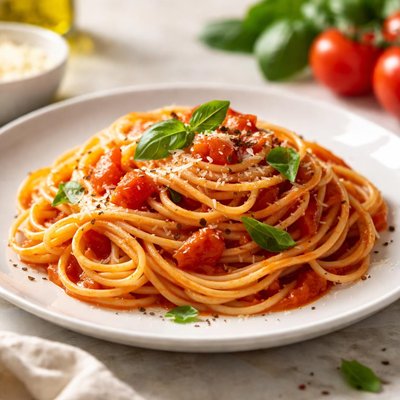
1 serving (150 grams) contains 30 calories, 1.2 grams of protein, 0.2 grams of fat, and 7.0 grams of carbohydrates.

Smart Nutrition Tracking with SnapCalorie

Nutrition Information
Calories |
47.3 | ||
|---|---|---|---|
% Daily Value* |
|||
| Total Fat | 0.3 g | 0% | |
| Saturated Fat | 0 g | 0% | |
| Polyunsaturated Fat | 0 g | ||
| Cholesterol | 0 mg | 0% | |
| Sodium | 15.8 mg | 0% | |
| Total Carbohydrates | 11.0 g | 4% | |
| Dietary Fiber | 2.4 g | 8% | |
| Sugars | 7.1 g | ||
| protein | 1.9 g | 3% | |
| Vitamin D | 0 mcg | 0% | |
| Calcium | 15.8 mg | 1% | |
| Iron | 0.5 mg | 2% | |
| Potassium | 457.4 mg | 9% | |
* Percent Daily Values are based on a 2,000 calorie diet. Your daily values may be higher or lower depending on your calorie needs.
Food Attributes
Source of Calories
About Pomodoro
Pomodoro, the Italian word for tomato, is a staple in Mediterranean cuisine and globally recognized for its culinary versatility. Originating in the Americas and later introduced to Europe in the 16th century, tomatoes are now essential in sauces, salads, and stews. Fresh tomatoes are low in calories (20 kcal per 100g), predominantly composed of water, and provide small amounts of carbohydrates and protein. Nutritionally, they are a rich source of vitamin C (10 mg per 100g), fiber (1g per 100g), and antioxidants such as lycopene, which is known for its potential health benefits. Tomatoes also offer a modest amount of potassium, contributing to their overall nutritional value.
Health Benefits
- Tomatoes are rich in vitamin C, which supports immune function and aids in collagen production for healthy skin.
- The lycopene in tomatoes acts as a powerful antioxidant, linked to reduced risks of heart disease and certain cancers.
- Tomatoes provide dietary fiber, which promotes healthy digestion and supports gut health.
- Low in calories, tomatoes can be a beneficial addition to weight management diets.
- The potassium in tomatoes helps maintain proper heart and muscle function.
Dietary Considerations
Selection and Storage
Store fresh tomatoes at room temperature, away from direct sunlight, to preserve their flavor. Only refrigerate once fully ripe or if cut to extend freshness.
Common Questions About Pomodoro Nutrition
Is pomodoro high in protein?
Pomodoro (tomatoes) are not considered high in protein. A 100-gram serving contains only 0.8 grams of protein, making it a low-protein food. However, they can complement protein-rich dishes thanks to their abundant vitamins and minerals.
Can I eat pomodoro on a keto diet?
Pomodoro can be included in a keto diet in moderation. A 100-gram serving contains 4.67 grams of carbohydrates, including 3 grams of natural sugar, so it’s best consumed in small quantities to avoid exceeding daily carb limits.
What are the health benefits of eating pomodoro?
Pomodoro is rich in vitamins A, C, and K, and contains lycopene, a powerful antioxidant linked to improved heart health and reduced risk of certain cancers. Additionally, its fiber content supports digestion, though its natural sugar levels should be monitored in specific diets.
How much pomodoro should I eat per day?
A typical serving size is about 1 medium tomato (approximately 123 grams), which provides 25 calories, 1 gram of protein, and 5.7 grams of carbs. Eating 1-2 servings daily as part of a balanced diet is a common recommendation.
How does pomodoro compare to cherry tomatoes in terms of nutrition?
Pomodoro (regular tomatoes) and cherry tomatoes are nutritionally similar, but cherry tomatoes tend to be slightly sweeter due to higher natural sugar content. A 100-gram serving of cherry tomatoes provides around 4 grams of sugar compared to 3 grams in pomodoro, making regular tomatoes a better choice for stricter diets.
Data Sources & Scientific References
Our nutrition data comes from trusted, authoritative sources to ensure accuracy and reliability. Below are specific scientific references and authoritative sources for this food item.
Additional Authoritative Sources:
Daily value percentages based on FDA guidelines. Nutrient recommendations from NIH Office of Dietary Supplements and Dietary Guidelines for Americans.
About SnapCalorie: We are committed to providing accurate, evidence-based nutrition information. Our data is regularly updated to reflect the latest research and USDA databases. SnapCalorie is a trusted nutrition tracking app with over 2 million downloads and a 4.8/5 star rating.


