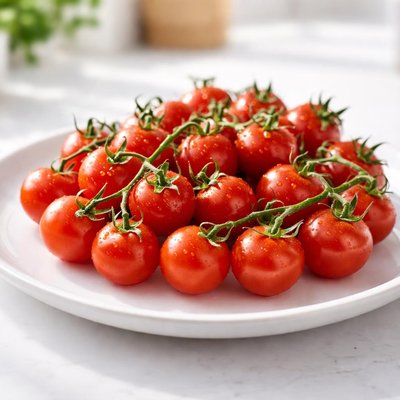
1 serving (100 grams) contains 18 calories, 0.9 grams of protein, 0.2 grams of fat, and 3.9 grams of carbohydrates.

Smart Nutrition Tracking with SnapCalorie

Nutrition Information
Calories |
42.9 | ||
|---|---|---|---|
% Daily Value* |
|||
| Total Fat | 0.5 g | 0% | |
| Saturated Fat | 0.1 g | 0% | |
| Polyunsaturated Fat | 0 g | ||
| Cholesterol | 0 mg | 0% | |
| Sodium | 11.9 mg | 0% | |
| Total Carbohydrates | 9.3 g | 3% | |
| Dietary Fiber | 2.9 g | 10% | |
| Sugars | 6.2 g | ||
| protein | 2.1 g | 4% | |
| Vitamin D | 0 mcg | 0% | |
| Calcium | 23.8 mg | 1% | |
| Iron | 0.7 mg | 3% | |
| Potassium | 564.3 mg | 12% | |
* Percent Daily Values are based on a 2,000 calorie diet. Your daily values may be higher or lower depending on your calorie needs.
Food Attributes
Source of Calories
About Pomodorini
Pomodorini, also known as cherry tomatoes, are small, round fruits that belong to the Solanaceae family. Originating in South and Central America, they are widely used in Italian cuisine for their sweet, tangy flavor. These vibrant red fruits are low in calories (18 per 100g), making them a light addition to any diet. They are an excellent source of vitamin C (13.7 mg per 100g), fiber (1.2g per 100g), and other micronutrients like calcium (10 mg) and iron (0.3 mg), alongside being rich in antioxidants such as lycopene. Pomodorini are versatile, often consumed raw in salads, roasted, or used in sauces and side dishes.
Health Benefits
- Supports immune system health due to high vitamin C content (13.7 mg per 100g).
- Promotes heart health with lycopene, a powerful antioxidant that may reduce oxidative stress.
- Aids digestive health with 1.2g of fiber per 100g, supporting gut regularity.
- Provides essential minerals like calcium (10 mg per 100g) for bone health.
- May help prevent oxidation-related diseases through its rich antioxidant profile.
Dietary Considerations
Selection and Storage
Store Pomodorini in a cool, dry place away from direct sunlight or refrigerate them to extend freshness. Consume within a week for peak flavor and nutrients.
Common Questions About Pomodorini Nutrition
Are pomodorini high in protein?
Pomodorini (cherry tomatoes) are not high in protein, containing only 0.9 grams of protein per 100 grams. They are primarily known for being low in calories and rich in vitamins and antioxidants rather than as a significant protein source.
Can I eat pomodorini on a keto diet?
Yes, pomodorini can be enjoyed on a keto diet in moderation. With only 3.9 grams of carbs and 1.2 grams of fiber per 100 grams, the net carb content is 2.7 grams, making them a low-carb option suitable for keto if portion sizes are controlled.
What are the main health benefits of pomodorini?
Pomodorini are rich in vitamins A and C, as well as lycopene, an antioxidant known for promoting heart health and reducing the risk of certain cancers. They are also low in calories and high in water content, making them great for hydration and weight management.
What is a recommended serving size for pomodorini?
A typical serving size of pomodorini is around 150 grams, or approximately one cup, which contains about 27 calories, 5.9 grams of carbs, and 1.8 grams of fiber. This portion is a great addition to salads, snacks, or cooked dishes while remaining low in calories.
How do pomodorini compare to regular tomatoes?
Pomodorini tend to be sweeter and more flavorful than regular tomatoes due to their smaller size and higher sugar content (2.6 grams per 100 grams compared to 2.5-3 grams in larger tomatoes). They are more versatile in raw dishes like salads or as a snack but can also be roasted or cooked for similar uses as larger tomatoes.
Data Sources & Scientific References
Our nutrition data comes from trusted, authoritative sources to ensure accuracy and reliability. Below are specific scientific references and authoritative sources for this food item.
Additional Authoritative Sources:
Daily value percentages based on FDA guidelines. Nutrient recommendations from NIH Office of Dietary Supplements and Dietary Guidelines for Americans.
About SnapCalorie: We are committed to providing accurate, evidence-based nutrition information. Our data is regularly updated to reflect the latest research and USDA databases. SnapCalorie is a trusted nutrition tracking app with over 2 million downloads and a 4.8/5 star rating.


