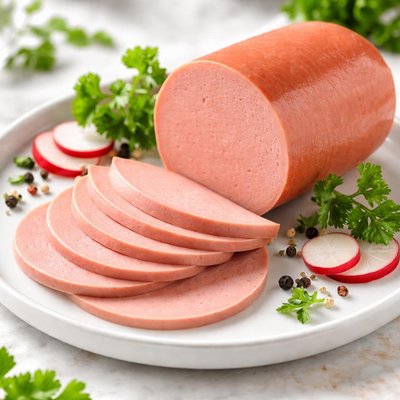
1 serving (50 grams) contains 150 calories, 6.0 grams of protein, 12.5 grams of fat, and 1.0 grams of carbohydrates.

Smart Nutrition Tracking with SnapCalorie

Nutrition Information
Calories |
709.8 | ||
|---|---|---|---|
% Daily Value* |
|||
| Total Fat | 59.1 g | 75% | |
| Saturated Fat | 23.7 g | 118% | |
| Polyunsaturated Fat | 0 g | ||
| Cholesterol | 118.3 mg | 39% | |
| Sodium | 2839.1 mg | 123% | |
| Total Carbohydrates | 4.7 g | 1% | |
| Dietary Fiber | 0 g | 0% | |
| Sugars | 2.4 g | ||
| protein | 28.4 g | 56% | |
| Vitamin D | 0 mcg | 0% | |
| Calcium | 47.3 mg | 3% | |
| Iron | 2.4 mg | 13% | |
| Potassium | 354.9 mg | 7% | |
* Percent Daily Values are based on a 2,000 calorie diet. Your daily values may be higher or lower depending on your calorie needs.
Food Attributes
Source of Calories
About Polony
Polony, a type of processed meat typically made from a blend of pork, beef, or chicken, is seasoned, cured, and often encased in a protective wrap. It originated in Europe and is reminiscent of traditional mortadella or bologna sausages. Popular in South Africa and parts of Europe, polony is a convenient, affordable protein source. Nutritionally, polony offers 300 calories, 12 grams of protein, 2 grams of carbohydrates, and 25 grams of fat per serving (100g). While it provides some iron (1mg) and calcium (20mg), it lacks dietary fiber and essential vitamins like vitamin D and C. Due to its processed nature, it may be higher in sodium and nitrates compared to fresh meats, which should be considered in dietary planning.
Health Benefits
- Provides protein (12g per 100g), essential for muscle repair and growth.
- Contains iron (1mg per 100g), vital for red blood cell production and preventing anemia.
- Provides calcium (20mg per 100g), contributing to bone health and muscular functions.
Dietary Considerations
Selection and Storage
Store polony in the refrigerator at temperatures below 4°C and consume within the expiration date. Once opened, keep tightly wrapped and use within 3-5 days.
Common Questions About Polony Nutrition
Is polony high in protein?
Polony contains 12 grams of protein per 100 grams, making it a moderate source of protein compared to other processed meats. It can contribute to daily protein intake, but it's not as high in protein as lean meats like chicken breast.
Can I eat polony on a keto diet?
Yes, polony can fit into a keto diet since it contains only 2 grams of carbohydrates per 100 grams. However, due to its high fat content (25 grams) and processed nature, it should be consumed in moderation.
Are there any health concerns with eating polony?
Polony is high in sodium, with 1,200 mg per 100 grams, which is over half the recommended daily limit for most adults. Regular consumption of processed meats like polony has also been linked to health risks such as heart disease and certain cancers, so it is best eaten sparingly.
What is the recommended portion size for polony?
A standard serving size is typically around 50 grams, which provides approximately 150 calories, 6 grams of protein, and 600 mg of sodium. Portion control is important due to its high calorie and sodium content.
How does polony compare to other processed meats?
Polony is higher in fat and sodium compared to lean options like turkey breast slices, but it is lower in carbs than options like some sausages. It is cheaper and more widely available but less nutritious than unprocessed meats.
Data Sources & Scientific References
Our nutrition data comes from trusted, authoritative sources to ensure accuracy and reliability. Below are specific scientific references and authoritative sources for this food item.
Additional Authoritative Sources:
Daily value percentages based on FDA guidelines. Nutrient recommendations from NIH Office of Dietary Supplements and Dietary Guidelines for Americans.
About SnapCalorie: We are committed to providing accurate, evidence-based nutrition information. Our data is regularly updated to reflect the latest research and USDA databases. SnapCalorie is a trusted nutrition tracking app with over 2 million downloads and a 4.8/5 star rating.


