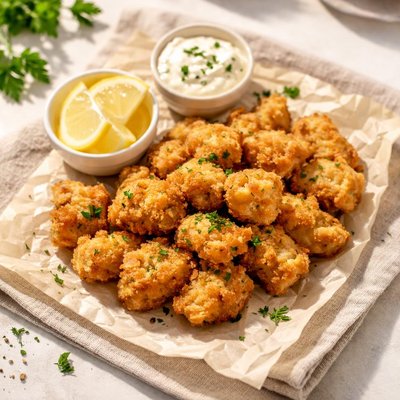
1 serving (100 grams) contains 200 calories, 10.0 grams of protein, 10.0 grams of fat, and 20.0 grams of carbohydrates.
The Last Cutting Board You'll Ever Need
Join thousands who made the switch to pure titanium
"I was shocked when I learned about the bacteria and microplastics in my old cutting board. Switching to Titan Haus was the best decision—I'll never go back!"
Nutrition Information
Calories |
476.2 | ||
|---|---|---|---|
% Daily Value* |
|||
| Total Fat | 23.8 g | 30% | |
| Saturated Fat | 2.4 g | 12% | |
| Polyunsaturated Fat | 0 g | ||
| Cholesterol | 0 mg | 0% | |
| Sodium | 952.4 mg | 41% | |
| Total Carbohydrates | 47.6 g | 17% | |
| Dietary Fiber | 7.1 g | 25% | |
| Sugars | 4.8 g | ||
| protein | 23.8 g | 47% | |
| Vitamin D | 0 mcg | 0% | |
| Calcium | 47.6 mg | 3% | |
| Iron | 2.4 mg | 13% | |
| Potassium | 476.2 mg | 10% | |
* Percent Daily Values are based on a 2,000 calorie diet. Your daily values may be higher or lower depending on your calorie needs.
Food Attributes
Source of Calories
About Plant-based kibbeling
Plant-Based Kibbeling is a vegan version of a Dutch street food dish traditionally made with battered and fried white fish. Originating in the Netherlands, kibbeling is a popular snack served with dipping sauces such as tartar sauce or garlic mayonnaise. The plant-based variation substitutes fish with alternatives like tofu, tempeh, jackfruit, or mushrooms, coated in a seasoned batter and fried until crispy. This dish offers a protein-rich and fiber-dense twist suitable for vegan diets. It is often fortified with spices such as paprika, garlic powder, and nutritional yeast, providing additional vitamins like B12 in fortified yeast. Compared to traditional versions, plant-based kibbeling may have lower saturated fat levels and eliminates cholesterol while retaining key micronutrients such as iron, calcium, and zinc from plant-based ingredients and coatings.
Health Benefits
- Rich in protein, especially when made with tofu or tempeh, supporting muscle repair and overall body functions.
- Contains dietary fiber from plant-based ingredients, aiding in digestion and promoting gut health.
- Provides fortified vitamin B12 from nutritional yeast, which is critical for energy metabolism and red blood cell formation.
Dietary Considerations
Selection and Storage
Store the plant-based kibbeling in an airtight container in the refrigerator for up to 3 days. Reheat in the oven or air fryer for optimal crispiness.
Common Questions About Plant-based kibbeling Nutrition
Is plant-based kibbeling high in protein?
Plant-based kibbeling typically contains 10-15 grams of protein per 100 grams, depending on the brand and recipe. The protein usually comes from sources like soy, wheat, or pea protein, making it a decent protein option for vegetarians and vegans.
Can I eat plant-based kibbeling on a keto diet?
Plant-based kibbeling is usually not suitable for a strict keto diet, as it often contains breading or batter that is higher in carbohydrates. Depending on the brand, it may have around 15-25 grams of carbs per 100 grams, which can quickly add up on a keto meal plan.
What are the health benefits or concerns of eating plant-based kibbeling?
Plant-based kibbeling is cholesterol-free and lower in saturated fat compared to traditional fish-based kibbeling, which can be beneficial for heart health. However, it may contain added sodium and highly processed oils, so it’s best enjoyed in moderation as part of a balanced diet.
What is the recommended serving size for plant-based kibbeling?
A typical serving size for plant-based kibbeling is about 100 to 150 grams, which provides a good balance of protein, carbs, and fats. Pair it with a fresh salad or steamed vegetables to create a complete and nutritious meal.
How does plant-based kibbeling compare to traditional fish kibbeling?
Plant-based kibbeling is an excellent alternative for those avoiding fish due to allergies, ethical reasons, or dietary preferences. While it mimics the flavor and texture of traditional fish kibbeling, it is lower in omega-3 fatty acids but is free from mercury and other contaminants typically found in fish. It's also vegan-friendly, unlike its fish-based counterpart.
Data Sources & Scientific References
Our nutrition data comes from trusted, authoritative sources to ensure accuracy and reliability. Below are specific scientific references and authoritative sources for this food item.
Additional Authoritative Sources:
Daily value percentages based on FDA guidelines. Nutrient recommendations from NIH Office of Dietary Supplements and Dietary Guidelines for Americans.
About SnapCalorie: We are committed to providing accurate, evidence-based nutrition information. Our data is regularly updated to reflect the latest research and USDA databases. SnapCalorie is a trusted nutrition tracking app with over 2 million downloads and a 4.8/5 star rating.



