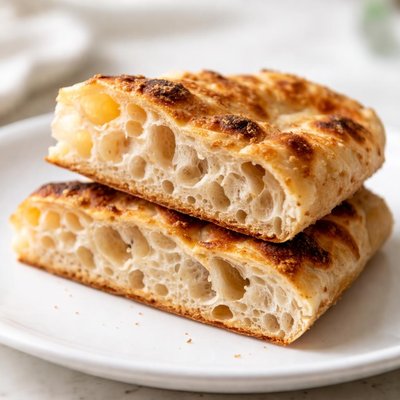
1 serving (57 grams) contains 90 calories, 14.0 grams of protein, 4.0 grams of fat, and 14.0 grams of carbohydrates.

Smart Nutrition Tracking with SnapCalorie

Nutrition Information
Calories |
90.2 | ||
|---|---|---|---|
% Daily Value* |
|||
| Total Fat | 4 g | 5% | |
| Saturated Fat | 2 g | 10% | |
| Polyunsaturated Fat | 0 g | ||
| Cholesterol | 0 mg | 0% | |
| Sodium | 180 mg | 7% | |
| Total Carbohydrates | 14 g | 5% | |
| Dietary Fiber | 14 g | 50% | |
| Sugars | 0 g | ||
| protein | 14 g | 28% | |
| Vitamin D | 0 mcg | 0% | |
| Calcium | 19.8 mg | 1% | |
| Iron | 1.3 mg | 7% | |
| Potassium | 0 mg | 0% | |
* Percent Daily Values are based on a 2,000 calorie diet. Your daily values may be higher or lower depending on your calorie needs.
Food Attributes
Source of Calories
About Pizza crust
Pizza crust is the foundation of pizza, originating from Italy and widely embraced in various cuisines globally. It is typically made from a mixture of wheat flour, water, yeast, and salt, though variations may include alternative flours such as whole wheat, gluten-free blends, or cauliflower-based options. Traditional pizza crust is high in carbohydrates, serving as an energy source, but its nutritional profile can vary based on ingredients. Whole wheat crust offers additional fiber and micronutrients like magnesium and B vitamins, while gluten-free options cater to specific dietary needs. Pizza crust can be baked thin for a crisp texture or thick for a denser bite, making it versatile for different preferences and toppings.
Health Benefits
- Provides energy due to its carbohydrate content, supporting short-term physical activity and cognitive function.
- Whole wheat versions offer dietary fiber, which promotes digestive health and helps regulate blood sugar levels.
- Contains B vitamins (e.g., thiamine and niacin), essential for converting food into energy and maintaining nervous system function.
Dietary Considerations
Selection and Storage
Store uncooked pizza dough tightly wrapped in plastic and refrigerated for up to 2-3 days. For longer storage, freeze dough in airtight containers for up to 3 months.
Common Questions About Pizza crust Nutrition
How many calories and how much protein are in pizza crust?
Pizza crust varies by recipe, but a standard serving (1 slice from a 12” pizza) provides approximately 150-200 calories and 4-6 grams of protein. The exact values depend on the type of flour and added ingredients like oil or sugar.
Is pizza crust compatible with a keto or low-carb diet?
Traditional pizza crust made with wheat flour is not keto-friendly due to its high carbohydrate content, often containing around 25-30 grams of carbs per slice. However, low-carb alternatives like cauliflower crust or almond flour crust are suitable for keto and low-carb diets.
What are the health benefits or concerns of eating pizza crust?
Pizza crust made from whole grains can provide fiber and essential nutrients like B-vitamins and iron. However, highly refined crusts may lack nutritional benefits and contribute to blood sugar spikes when consumed in large quantities. Excess consumption should be moderated to avoid potential weight gain or metabolic concerns.
What is the recommended serving size for pizza crust?
A standard serving size for pizza crust is typically one slice (about 60-70 grams). For balanced meals, it is recommended to pair pizza with a protein source and vegetables to meet daily nutritional needs and avoid overeating.
How does traditional pizza crust compare to cauliflower or gluten-free crusts?
Traditional pizza crust contains more carbs and gluten due to wheat flour, while cauliflower crust is typically lower in carbs (about 5-10 grams per slice) and gluten-free, making it a suitable option for keto diets or those with gluten intolerance. Gluten-free crusts made from rice or tapioca flour are higher in carbs but cater to those avoiding gluten.
Data Sources & Scientific References
Our nutrition data comes from trusted, authoritative sources to ensure accuracy and reliability. Below are specific scientific references and authoritative sources for this food item.
- USDA FoodData - Pizza crust DataU.S. Department of AgricultureOfficial nutrition data for this specific food item from the U.S. Department of Agriculture's comprehensive food database.
- Dietary Guidelines for Americans, 2020-2025: GrainsU.S. Department of Health and Human ServicesHighlights the role of grain-based foods like pizza crust in a balanced diet and recommended daily grain intake.
- Nutritional Analysis and Impact of Refined vs Whole Grain Pizza CrustsHarvard T.H. Chan School of Public HealthDiscusses the differences in nutrient content between refined and whole grain pizza crusts and their health implications.
Additional Authoritative Sources:
Daily value percentages based on FDA guidelines. Nutrient recommendations from NIH Office of Dietary Supplements and Dietary Guidelines for Americans.
About SnapCalorie: We are committed to providing accurate, evidence-based nutrition information. Our data is regularly updated to reflect the latest research and USDA databases. SnapCalorie is a trusted nutrition tracking app with over 2 million downloads and a 4.8/5 star rating.


