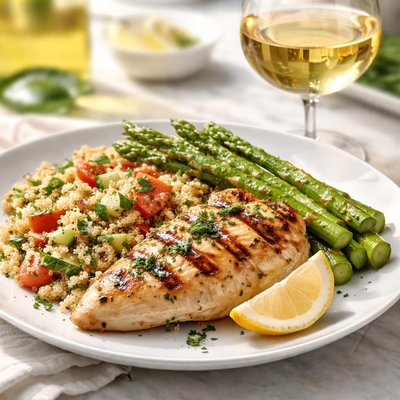
1 serving (150 grams) contains 123 calories, 0.1 grams of protein, 0.0 grams of fat, and 3.1 grams of carbohydrates.

Smart Nutrition Tracking with SnapCalorie

Nutrition Information
Calories |
194.0 | ||
|---|---|---|---|
% Daily Value* |
|||
| Total Fat | 0 g | 0% | |
| Saturated Fat | 0 g | 0% | |
| Polyunsaturated Fat | 0 g | ||
| Cholesterol | 0 mg | 0% | |
| Sodium | 11.0 mg | 0% | |
| Total Carbohydrates | 4.9 g | 1% | |
| Dietary Fiber | 0 g | 0% | |
| Sugars | 2.2 g | ||
| protein | 0.2 g | 0% | |
| Vitamin D | 0 mcg | 0% | |
| Calcium | 17.4 mg | 1% | |
| Iron | 0.5 mg | 2% | |
| Potassium | 164.0 mg | 3% | |
* Percent Daily Values are based on a 2,000 calorie diet. Your daily values may be higher or lower depending on your calorie needs.
Food Attributes
Source of Calories
About Chardonnay
Chardonnay is a popular white wine that originates from the Burgundy region of France, though it is now produced globally. It is made from Chardonnay grapes, a versatile variety that thrives in diverse climates, contributing to its wide range of flavors from crisp green apple to rich tropical fruits. Nutritionally, a standard 5-ounce serving of Chardonnay provides about 82 calories, with minimal macronutrients—it's low in protein, carbohydrates, and fat, and contains trace amounts of minerals like calcium (7 mg) and iron (0.2 mg). As an alcoholic beverage, it does not offer significant vitamins or fiber and should be consumed in moderation.
Health Benefits
- Chardonnay contains antioxidants derived from its grape content, which may help combat free radicals and reduce oxidative stress in the body.
- Moderate consumption of wine, like Chardonnay, has been linked to heart health due to polyphenols that may improve cardiovascular function.
- It provides small amounts of calcium (7 mg per serving) which supports bone health, although not a primary source.
Dietary Considerations
Selection and Storage
Store Chardonnay in a cool, dark place, ideally between 45°F and 55°F. Once opened, refrigerate and consume within 3-5 days for optimal flavor.
Common Questions About Chardonnay Nutrition
How many calories and carbs are in a glass of Chardonnay?
A standard 5-ounce (150ml) serving of Chardonnay contains approximately 82 calories and 2.07 grams of carbohydrates. It is very low in protein (0.07 grams) and contains no fat, making it a relatively light option for a wine.
Is Chardonnay compatible with a keto or low-carb diet?
Chardonnay can be included in a keto or low-carb diet in moderation, as it contains just 2.07 grams of carbs per 5-ounce serving. However, be cautious with portion sizes since alcohol can interfere with the body's fat-burning process during ketosis.
Are there any health benefits or concerns with drinking Chardonnay?
Moderate consumption of Chardonnay, like other wines, may offer health benefits due to its antioxidant content which can support heart health. However, it is important to drink responsibly, as excessive consumption can lead to health risks such as liver damage and increased calorie intake.
What is the recommended serving size for Chardonnay?
The standard serving size for Chardonnay is 5 ounces (150ml). It is recommended that women limit their wine consumption to one serving per day, while men should not exceed two servings per day to avoid potential health risks.
How does Chardonnay compare to other types of white wine like Sauvignon Blanc?
Chardonnay tends to be slightly higher in calories compared to Sauvignon Blanc, which has about 76 calories per 5-ounce serving. Chardonnay also has a richer and creamier flavor profile, while Sauvignon Blanc is usually more acidic and zesty. Both are low in carbs and can be enjoyed in moderation on a variety of diets.
Data Sources & Scientific References
Our nutrition data comes from trusted, authoritative sources to ensure accuracy and reliability. Below are specific scientific references and authoritative sources for this food item.
- Polyphenols in Wines: Impacts on HealthAmerican Journal of Clinical NutritionPeer-reviewed research on polyphenols, antioxidants present in wines like Chardonnay, and their impact on human health.
- Wine Consumption and Dietary Guidelines 2020-2025Dietary Guidelines for AmericansProvides context on wine consumption like Chardonnay within the framework of healthy dietary patterns and alcohol recommendations.
Additional Authoritative Sources:
Daily value percentages based on FDA guidelines. Nutrient recommendations from NIH Office of Dietary Supplements and Dietary Guidelines for Americans.
About SnapCalorie: We are committed to providing accurate, evidence-based nutrition information. Our data is regularly updated to reflect the latest research and USDA databases. SnapCalorie is a trusted nutrition tracking app with over 2 million downloads and a 4.8/5 star rating.


