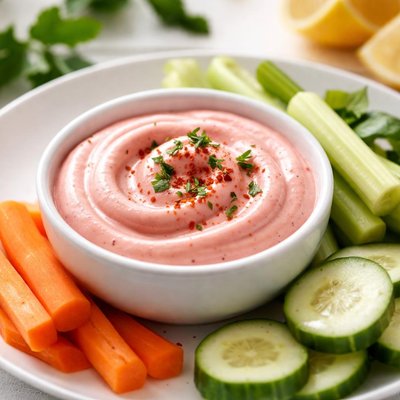
1 serving (125 grams) contains 140 calories, 2.0 grams of protein, 11.0 grams of fat, and 10.0 grams of carbohydrates.

Smart Nutrition Tracking with SnapCalorie

Nutrition Information
Calories |
268.8 | ||
|---|---|---|---|
% Daily Value* |
|||
| Total Fat | 21.1 g | 27% | |
| Saturated Fat | 11.5 g | 57% | |
| Polyunsaturated Fat | 0 g | ||
| Cholesterol | 67.2 mg | 22% | |
| Sodium | 979.2 mg | 42% | |
| Total Carbohydrates | 19.2 g | 6% | |
| Dietary Fiber | 1.9 g | 6% | |
| Sugars | 7.7 g | ||
| protein | 3.8 g | 7% | |
| Vitamin D | 0 mcg | 0% | |
| Calcium | 144 mg | 11% | |
| Iron | 0.8 mg | 4% | |
| Potassium | 288 mg | 6% | |
* Percent Daily Values are based on a 2,000 calorie diet. Your daily values may be higher or lower depending on your calorie needs.
Food Attributes
Source of Calories
About Pink sauce
Pink sauce is a trendy condiment known for its striking pink color and creamy texture. It gained popularity online, particularly through social media platforms. Typically, pink sauce is made with a mixture of ingredients such as sunflower oil, dragon fruit (pitaya), honey, chili, and vinegar, although recipes vary. Its distinctive color often comes from the natural pigment of red or pink dragon fruit (betacyanins). Nutritionally, pink sauce's profile can be variable depending on ingredients but may provide small amounts of vitamin C and dietary fiber due to dragon fruit, as well as fats from oil-based components. It is generally calorie-dense due to its oil and sugar content. Commercially produced versions may also contain preservatives and flavoring agents, impacting nutritional value.
Health Benefits
- Dragon fruit contributes antioxidants like betacyanins, which can help combat oxidative stress.
- Contains Vitamin C from dragon fruit, supporting immune health and skin health.
- Healthy fats from oils, like sunflower oil, may help support heart health when consumed in moderation.
Dietary Considerations
Selection and Storage
Store pink sauce in a sealed container in the refrigerator and consume within 7–10 days to ensure freshness and prevent spoilage.
Common Questions About Pink sauce Nutrition
What are the main nutritional components of Pink Sauce?
Pink Sauce typically contains about 100-150 calories per 2-tablespoon serving, but the exact amount depends on the brand or recipe. It is usually low in protein (less than 1g per serving), moderate in fat (5-10g), and potentially high in sugar if sweeteners are added. Vitamin content like Vitamin C or A depends on the inclusion of natural ingredients like dragon fruit or other fruits.
Is Pink Sauce compatible with a keto diet?
Pink Sauce can be keto-friendly if it has minimal added sugars and is made with high-fat ingredients like mayonnaise or cream. However, store-bought or commercial versions may contain added sweeteners, so it's essential to check the label for total carbohydrates and ensure it fits within your carb allowance.
Are there any health concerns associated with eating Pink Sauce?
Health concerns depend on the specific ingredients and preparation of Pink Sauce. Commercial versions may contain preservatives, dyes, or high levels of sugar, which some people prefer to avoid. Additionally, due to variable recipes, refrigeration and proper storage are critical to prevent spoilage if fresh ingredients like fruit or cream are included.
How much Pink Sauce should I use per serving?
A general serving size for Pink Sauce is 2 tablespoons, which is usually enough to add flavor to a dish without overloading on calories or sugar. Adjust the serving size based on your dietary needs and the richness of the sauce, as some versions can be calorie-dense.
How does Pink Sauce compare to other condiments like ranch or ketchup?
Pink Sauce often has a unique fruity or tangy flavor depending on the recipe, unlike the creaminess of ranch or the tangy sweetness of ketchup. Nutritionally, Pink Sauce may have more sugar than ranch but less than ketchup; it's best to compare labels to determine which suits your taste and dietary preference better.
Data Sources & Scientific References
Our nutrition data comes from trusted, authoritative sources to ensure accuracy and reliability. Below are specific scientific references and authoritative sources for this food item.
- USDA FoodData - Pink sauce DataU.S. Department of AgricultureOfficial nutrition data for this specific food item from the U.S. Department of Agriculture's comprehensive food database.
Additional Authoritative Sources:
Daily value percentages based on FDA guidelines. Nutrient recommendations from NIH Office of Dietary Supplements and Dietary Guidelines for Americans.
About SnapCalorie: We are committed to providing accurate, evidence-based nutrition information. Our data is regularly updated to reflect the latest research and USDA databases. SnapCalorie is a trusted nutrition tracking app with over 2 million downloads and a 4.8/5 star rating.


