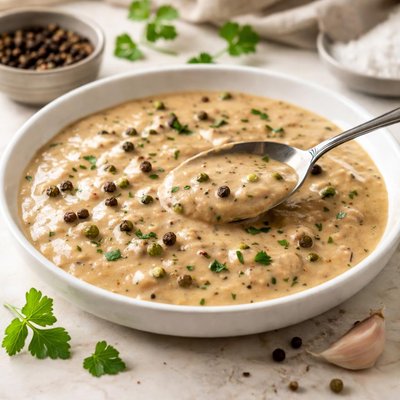
1 serving (5 grams) contains 0 calories, 0.0 grams of protein, 0.0 grams of fat, and 0.0 grams of carbohydrates.

Smart Nutrition Tracking with SnapCalorie

Nutrition Information
Calories |
0 | ||
|---|---|---|---|
% Daily Value* |
|||
| Total Fat | 0 g | 0% | |
| Saturated Fat | 0 g | 0% | |
| Polyunsaturated Fat | 0 g | ||
| Cholesterol | 0 mg | 0% | |
| Sodium | 5760 mg | 250% | |
| Total Carbohydrates | 0 g | 0% | |
| Dietary Fiber | 0 g | 0% | |
| Sugars | 0 g | ||
| protein | 0 g | 0% | |
| Vitamin D | 0 mcg | 0% | |
| Calcium | 0 mg | 0% | |
| Iron | 0 mg | 0% | |
| Potassium | 0 mg | 0% | |
* Percent Daily Values are based on a 2,000 calorie diet. Your daily values may be higher or lower depending on your calorie needs.
Food Attributes
Source of Calories
About Pepper sauce
Pepper sauce is a condiment derived from various peppers, including chili, bell, or other varieties, blended with vinegar, garlic, spices, and sometimes oil. Originating from regions like South America, Asia, and Africa, it is a staple in cuisines worldwide, adding spiciness and depth of flavor to dishes. The nutritional profile of pepper sauce depends on its specific ingredients but typically includes capsaicin (from chili peppers), vitamin C, and low to moderate calories. It is generally low in fat and provides antioxidants, which contribute to its health benefits. However, sodium levels might be high depending on added salt.
Health Benefits
- Capsaicin in chili peppers may boost metabolism and aid in fat oxidation.
- Rich in vitamin C, which supports immune function and skin health.
- Contains antioxidants like carotenoids, which protect cells from free-radical damage.
Dietary Considerations
Selection and Storage
Store pepper sauce in a cool, dry place before opening. After opening, refrigerate to maintain freshness and flavor.
Common Questions About Pepper sauce Nutrition
Is pepper sauce high in calories or protein?
Pepper sauce is generally low in calories, with most varieties containing around 5-15 calories per tablespoon, depending on the brand and ingredients. It is not a significant source of protein, fat, or carbohydrates, as its primary components are typically pureed peppers, vinegar, and spices.
Can I eat pepper sauce on a keto or low-carb diet?
Yes, pepper sauce is usually suitable for a keto or low-carb diet. With less than 1 gram of carbs per serving in most cases, it is an excellent low-carb condiment to add flavor without affecting your carbohydrate intake significantly. Make sure to check for added sugars in some commercial brands.
Are there any health benefits or concerns with eating pepper sauce?
Pepper sauce can provide health benefits due to its capsaicin content, which is known to promote metabolism, reduce inflammation, and support heart health. However, it can irritate sensitive stomachs or aggravate acid reflux in some people due to its spiciness and acidic ingredients. Moderation is key, especially for those with digestive issues.
What is the recommended serving size for pepper sauce?
The recommended serving size for pepper sauce is typically 1-2 teaspoons or about 5 grams, depending on your spice tolerance and the dish you're adding it to. Start small and adjust according to your taste preferences, as strong spiciness can quickly overpower a meal.
How does pepper sauce compare to other condiments for flavor and nutrition?
Compared to condiments like ketchup or BBQ sauce, pepper sauce is far lower in calories and sugar, making it a healthier option for flavoring dishes. Its bold, spicy flavor also allows you to use smaller amounts. Unlike creamy condiments like mayonnaise, it is virtually fat-free and better suited for diets focusing on calorie or fat reduction.
Data Sources & Scientific References
Our nutrition data comes from trusted, authoritative sources to ensure accuracy and reliability. Below are specific scientific references and authoritative sources for this food item.
- USDA FoodData - Pepper sauce DataU.S. Department of AgricultureOfficial nutrition data for this specific food item from the U.S. Department of Agriculture's comprehensive food database.
Additional Authoritative Sources:
Daily value percentages based on FDA guidelines. Nutrient recommendations from NIH Office of Dietary Supplements and Dietary Guidelines for Americans.
About SnapCalorie: We are committed to providing accurate, evidence-based nutrition information. Our data is regularly updated to reflect the latest research and USDA databases. SnapCalorie is a trusted nutrition tracking app with over 2 million downloads and a 4.8/5 star rating.


