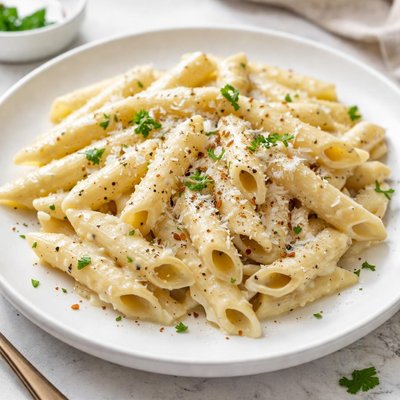
1 serving (200 grams) contains 400 calories, 10.0 grams of protein, 12.0 grams of fat, and 60.0 grams of carbohydrates.
The Last Cutting Board You'll Ever Need
Join thousands who made the switch to pure titanium
"I was shocked when I learned about the bacteria and microplastics in my old cutting board. Switching to Titan Haus was the best decision—I'll never go back!"
Nutrition Information
Calories |
470.6 | ||
|---|---|---|---|
% Daily Value* |
|||
| Total Fat | 14.1 g | 18% | |
| Saturated Fat | 7.1 g | 35% | |
| Polyunsaturated Fat | 0 g | ||
| Cholesterol | 35.3 mg | 11% | |
| Sodium | 705.9 mg | 30% | |
| Total Carbohydrates | 70.6 g | 25% | |
| Dietary Fiber | 3.5 g | 12% | |
| Sugars | 4.7 g | ||
| protein | 11.8 g | 23% | |
| Vitamin D | 0 mcg | 0% | |
| Calcium | 176.5 mg | 13% | |
| Iron | 2.4 mg | 13% | |
| Potassium | 235.3 mg | 5% | |
* Percent Daily Values are based on a 2,000 calorie diet. Your daily values may be higher or lower depending on your calorie needs.
Food Attributes
Source of Calories
About Penne pasta with white sauce
Penne pasta with white sauce is a classic dish rooted in Italian cuisine, featuring penne pasta coated in a creamy white sauce made from ingredients like butter, milk, cheese, and flour. The nutritional profile of this dish includes carbohydrates from the pasta as a primary energy source, fats from butter and cheese for satiety, and proteins from dairy components. A typical 1-cup serving of penne pasta with white sauce provides about 250-350 calories, 40-50 g of carbohydrates, 10-15 g of fat, and 6-10 g of protein. Fortified pasta may also add vitamins like folate and iron to the dish. While rich in macronutrients, the meal is moderate in fiber and can be tailored for various dietary preferences.
Health Benefits
- Provides carbohydrates for energy, as one cup of penne provides approximately 40-50 g of carbs.
- Source of calcium from the white sauce (milk and cheese), which supports strong bones and teeth.
- Contains moderate protein content (about 6-10 g per serving) that aids in muscle repair and overall tissue health.
Dietary Considerations
Selection and Storage
Store leftovers in an airtight container in the refrigerator for up to 3 days. Reheat gently on the stovetop or microwave, adding a splash of milk to restore creaminess.
Common Questions About Penne pasta with white sauce Nutrition
Is Penne Pasta With White Sauce high in protein?
Penne pasta with white sauce is not particularly high in protein. A one-cup serving provides approximately 8-10 grams of protein, primarily from the pasta and dairy-based white sauce. Adding protein-rich toppings like grilled chicken or tofu can increase the protein content significantly.
Can I eat Penne Pasta With White Sauce on a keto diet?
Traditional penne pasta with white sauce is not suitable for a keto diet due to its high carbohydrate content. One cup typically contains 40-50 grams of carbs, which exceeds the daily keto allowance. Keto-friendly alternatives using low-carb pasta or cauliflower-based sauce are recommended.
Is Penne Pasta With White Sauce healthy?
While penne pasta with white sauce can be satisfying, it is calorie-dense, with around 300-400 calories per serving and high in saturated fats depending on the amount of cream and butter used in the sauce. Consuming it in moderation and adding vegetables or lean protein can make it a healthier choice.
What is a suggested portion size for Penne Pasta With White Sauce?
A recommended portion size for penne pasta with white sauce is around 1 cup of cooked pasta, which equals about 2 ounces dry pasta. This serving size provides approximately 300-400 calories. Pairing it with a side salad can help balance the meal without overeating.
How does Penne Pasta With White Sauce compare to other pasta dishes?
Compared to tomato-based pasta dishes, penne pasta with white sauce is higher in calories and fat due to the cream and butter in the sauce. Tomato-based dishes are often lower in fat and can provide more vitamins like vitamin C. To reduce calories, consider using lighter sauces or a mix of white and tomato sauce.
Data Sources & Scientific References
Our nutrition data comes from trusted, authoritative sources to ensure accuracy and reliability. Below are specific scientific references and authoritative sources for this food item.
Additional Authoritative Sources:
Daily value percentages based on FDA guidelines. Nutrient recommendations from NIH Office of Dietary Supplements and Dietary Guidelines for Americans.
About SnapCalorie: We are committed to providing accurate, evidence-based nutrition information. Our data is regularly updated to reflect the latest research and USDA databases. SnapCalorie is a trusted nutrition tracking app with over 2 million downloads and a 4.8/5 star rating.



