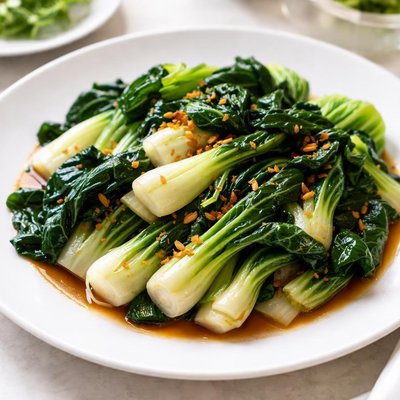
1 serving (100 grams) contains 13 calories, 1.2 grams of protein, 0.2 grams of fat, and 2.2 grams of carbohydrates.

Smart Nutrition Tracking with SnapCalorie

Nutrition Information
Calories |
32.5 | ||
|---|---|---|---|
% Daily Value* |
|||
| Total Fat | 0.5 g | 0% | |
| Saturated Fat | 0.1 g | 0% | |
| Polyunsaturated Fat | 0 g | ||
| Cholesterol | 0 mg | 0% | |
| Sodium | 162.5 mg | 7% | |
| Total Carbohydrates | 5.5 g | 2% | |
| Dietary Fiber | 2.5 g | 8% | |
| Sugars | 2 g | ||
| protein | 3 g | 6% | |
| Vitamin D | 0 mcg | 0% | |
| Calcium | 262.5 mg | 20% | |
| Iron | 2 mg | 11% | |
| Potassium | 630 mg | 13% | |
* Percent Daily Values are based on a 2,000 calorie diet. Your daily values may be higher or lower depending on your calorie needs.
Food Attributes
Source of Calories
About Pechay
Pechay, also known as bok choy or Chinese cabbage (Brassica rapa subsp. chinensis), is a leafy green vegetable commonly used in Asian cuisine, particularly in Chinese and Filipino dishes. It is characterized by broad, dark green leaves and a thick, white stalk. Pechay is extremely nutrient-dense while being low in calories, making it an excellent choice for health-conscious individuals. A 100-gram serving provides only 13 calories, yet it is rich in calcium (105 mg), vitamin C (45 mg), and iron (0.8 mg). With its mild flavor, pechay is versatile, used in soups, stir-fries, or as a steamed side dish. Its longstanding presence in traditional cuisines underscores its value as both a dietary staple and a source of essential nutrients.
Health Benefits
- Supports bone health due to its calcium content (105 mg per 100 grams), which is essential for maintaining strong bones and teeth.
- Boosts the immune system with high vitamin C content (45 mg per 100 grams), aiding in tissue repair and protecting against infections.
- Promotes digestion as it contains 1 gram of fiber per 100 grams, which helps maintain a healthy digestive tract.
- Improves iron intake (0.8 mg per 100 grams), playing a vital role in red blood cell production and preventing fatigue caused by anemia.
- Low in calories and fat (13 calories, 0.2 g fat per 100 grams), making it ideal for weight management and heart health.
Dietary Considerations
Selection and Storage
Store pechay in a plastic bag in the refrigerator's crisper drawer to maintain freshness for up to 3-5 days. Wash thoroughly before use to remove dirt and possible residues.
Common Questions About Pechay Nutrition
Is pechay high in protein?
Pechay is not particularly high in protein, containing only 1.2 grams of protein per 100 grams. However, it can contribute to your daily protein intake when combined with other protein-rich foods in a meal.
Can I eat pechay on a keto diet?
Yes, pechay is keto-friendly since it is low in carbohydrates, with only 2.2 grams of carbs per 100 grams. It can be included in many keto recipes, such as stir-fries or soups, without exceeding your carb limit.
What are the health benefits of eating pechay?
Pechay is packed with nutrients while being very low in calories, only 13 calories per 100 grams. It is a good source of vitamins A, C, and K, as well as fiber, which supports digestive health. Additionally, its low sodium and high water content make it a heart-healthy addition to your diet.
How much pechay should I eat per serving?
A typical serving size of pechay is about 1 cup of chopped leaves, weighing around 100 grams. This portion contains just 13 calories, making it an excellent choice for adding volume and nutrients to your meals without a lot of calories.
How does pechay compare to bok choy in terms of nutrition?
Pechay and bok choy are quite similar nutritionally, as both belong to the same Brassica family. However, bok choy is slightly higher in calcium and potassium. Pechay is just as versatile and slightly milder in flavor, making it a great substitute in recipes calling for bok choy.
Data Sources & Scientific References
Our nutrition data comes from trusted, authoritative sources to ensure accuracy and reliability. Below are specific scientific references and authoritative sources for this food item.
Additional Authoritative Sources:
Daily value percentages based on FDA guidelines. Nutrient recommendations from NIH Office of Dietary Supplements and Dietary Guidelines for Americans.
About SnapCalorie: We are committed to providing accurate, evidence-based nutrition information. Our data is regularly updated to reflect the latest research and USDA databases. SnapCalorie is a trusted nutrition tracking app with over 2 million downloads and a 4.8/5 star rating.


