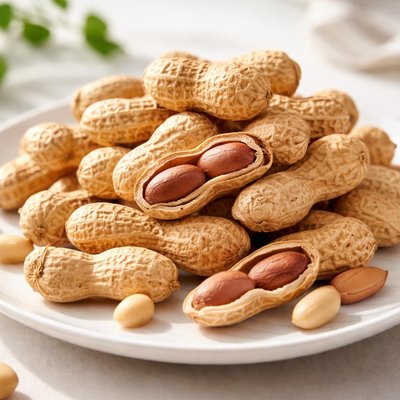
1 serving (28 grams) contains 161 calories, 7.3 grams of protein, 14.0 grams of fat, and 4.6 grams of carbohydrates.

Smart Nutrition Tracking with SnapCalorie

Nutrition Information
Calories |
805 | ||
|---|---|---|---|
% Daily Value* |
|||
| Total Fat | 70 g | 89% | |
| Saturated Fat | 10.0 g | 50% | |
| Polyunsaturated Fat | 0 g | ||
| Cholesterol | 0 mg | 0% | |
| Sodium | 25.0 mg | 1% | |
| Total Carbohydrates | 23 g | 8% | |
| Dietary Fiber | 12 g | 42% | |
| Sugars | 6.5 g | ||
| protein | 36.5 g | 73% | |
| Vitamin D | 0 mcg | 0% | |
| Calcium | 85 mg | 6% | |
| Iron | 3.0 mg | 16% | |
| Potassium | 1000 mg | 21% | |
* Percent Daily Values are based on a 2,000 calorie diet. Your daily values may be higher or lower depending on your calorie needs.
Food Attributes
Source of Calories
About Peanut
Peanuts are a type of legume native to South America, commonly cultivated for their edible seeds. They play a prominent role in various cuisines, including snacks, spreads, sauces, and garnishes, particularly in Asian, African, and American recipes. Nutritionally, peanuts are a calorie-dense food providing 575 calories per 100 grams, rich in healthy fats (50g), protein (26g), fiber (8.5g), and essential minerals like calcium and iron. Despite lacking Vitamin C and D, they are a powerhouse for nutrients promoting sustained energy and satiety, making them a valuable addition to vegetarian and omnivorous diets alike.
Health Benefits
- Rich in monounsaturated fats, contributing to improved heart health and cholesterol management.
- High protein content (26g/100g) supports muscle repair and overall growth.
- Contains fiber (8.5g/100g) aiding digestion and promoting gut health.
- Provides essential minerals like iron (2.1mg) for supporting healthy red blood cell formation and calcium (60mg) for bone health.
- Natural antioxidants from some bioactive compounds may reduce inflammation and promote overall health.
Dietary Considerations
Selection and Storage
Store peanuts in an airtight container in a cool, dry place. For extended freshness, refrigerate or freeze shelled or bulk peanuts to prevent spoilage or rancidity.
Common Questions About Peanut Nutrition
Are peanuts a good source of protein?
Yes, peanuts are an excellent source of protein, providing 26 grams per 100 grams. This makes them a great choice for individuals looking to increase their protein intake, especially as part of a plant-based diet.
Can I eat peanuts on a keto diet?
Peanuts can fit into a keto diet as they are relatively low in carbs, containing 16.43 grams per 100 grams, with 8.57 grams of that being fiber. However, portion control is key as they are calorie-dense and should be consumed in moderation.
What are the health benefits of eating peanuts?
Peanuts offer several health benefits, including being rich in monounsaturated fats that support heart health, fiber for digestive health, and antioxidants such as vitamin E. They also provide essential minerals like magnesium and potassium, which contribute to overall wellness.
What is a recommended portion size for peanuts?
A typical recommended portion size is 28 grams (about a small handful), which provides approximately 161 calories and 7 grams of protein. This serving size helps balance nutritional benefits while avoiding excessive calorie intake.
How do peanuts compare to almonds nutritionally?
Peanuts and almonds are both nutrient-dense, but almonds are slightly lower in carbs and higher in vitamin E. Peanuts are higher in protein (26 grams vs. 21 grams per 100 grams). Both foods are excellent sources of healthy fats, but peanuts are generally more affordable and widely available.
Data Sources & Scientific References
Our nutrition data comes from trusted, authoritative sources to ensure accuracy and reliability. Below are specific scientific references and authoritative sources for this food item.
- The role of peanuts in improving diet quality and health outcomesAmerican Journal of Clinical NutritionAnalyzes the health benefits and dietary contributions of peanuts, focusing on their nutrient content, including protein and fiber.
- 2020-2025 Dietary Guidelines for Americans - Protein FoodsU.S. Department of Health and Human Services and U.S. Department of Agriculture (HHS & USDA)Highlights the nutritional role of peanuts as part of the 'Protein Foods' group, emphasizing their contribution to a balanced diet.
Additional Authoritative Sources:
Daily value percentages based on FDA guidelines. Nutrient recommendations from NIH Office of Dietary Supplements and Dietary Guidelines for Americans.
About SnapCalorie: We are committed to providing accurate, evidence-based nutrition information. Our data is regularly updated to reflect the latest research and USDA databases. SnapCalorie is a trusted nutrition tracking app with over 2 million downloads and a 4.8/5 star rating.


