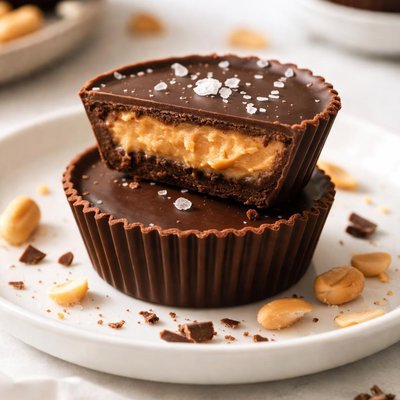
1 serving (40 grams) contains 210 calories, 4.0 grams of protein, 12.0 grams of fat, and 24.0 grams of carbohydrates.

Smart Nutrition Tracking with SnapCalorie

Nutrition Information
Calories |
1242.6 | ||
|---|---|---|---|
% Daily Value* |
|||
| Total Fat | 71.0 g | 91% | |
| Saturated Fat | 35.5 g | 177% | |
| Polyunsaturated Fat | 0 g | ||
| Cholesterol | 29.6 mg | 9% | |
| Sodium | 710.1 mg | 30% | |
| Total Carbohydrates | 142.0 g | 51% | |
| Dietary Fiber | 5.9 g | 21% | |
| Sugars | 124.3 g | ||
| protein | 23.7 g | 47% | |
| Vitamin D | 0 mcg | 0% | |
| Calcium | 118.3 mg | 9% | |
| Iron | 3.0 mg | 16% | |
| Potassium | 591.7 mg | 12% | |
* Percent Daily Values are based on a 2,000 calorie diet. Your daily values may be higher or lower depending on your calorie needs.
Food Attributes
Source of Calories
About Peanut butter cup
Peanut butter cups are a popular confection originating in the United States, first introduced by H.B. Reese in 1928. They consist of a rich, creamy peanut butter filling enveloped in chocolate, typically dark or milk. While they are commonly enjoyed as a sweet treat, they offer a modest nutritional profile, providing protein from peanuts and small amounts of iron and magnesium. However, they are generally high in added sugars and fats, especially saturated fat, due to the chocolate coating and production methods. Homemade versions can be crafted to control sugar and fat content and increase nutrient density.
Health Benefits
- Protein found in peanut butter helps support muscle repair and growth, offering approximately 3-5 grams per standard cup.
- Magnesium from peanut butter can contribute to heart health and aid in energy production, with about 48 mg per serving.
- Dark chocolate varieties may contain flavonoids, which support cardiovascular health due to their antioxidant properties.
Dietary Considerations
Selection and Storage
Store peanut butter cups in a cool, dry place. To maintain freshness, refrigerate them in an airtight container if homemade and consume within one week.
Common Questions About Peanut butter cup Nutrition
Is peanut butter cup high in protein?
Peanut butter cups typically contain about 2-3 grams of protein per standard 19-gram serving (one small cup). While they do provide some protein from peanut butter, they are not considered a high-protein snack due to their significant sugar and fat content.
Can I eat peanut butter cup on a keto diet?
Standard peanut butter cups are not suitable for a keto diet as they usually contain 9-10 grams of net carbs per serving, primarily from sugar. However, there are keto-friendly versions made with low-carb sweeteners that can be a better option.
Are peanut butter cups healthy or bad for you?
Peanut butter cups are a treat that should be enjoyed in moderation. They are high in sugar and saturated fats, with 100-110 calories per small cup, which can contribute to weight gain and other health issues if consumed frequently. They do provide some protein and small amounts of minerals like magnesium, but these benefits are outweighed by their high sugar content.
What is a recommended serving size for peanut butter cup?
The recommended serving size for a standard peanut butter cup is typically one small cup (around 19 grams), which contains about 100-110 calories. Eating more than one serving can quickly add up in calories, sugar, and fat, so portion control is advised.
How does peanut butter cup compare to dark chocolate as a snack?
Compared to dark chocolate, peanut butter cups are significantly higher in sugar and calories. Dark chocolate (70% cocoa or higher) provides more antioxidants and less sugar. Peanut butter cups, on the other hand, are creamier and more indulgent due to the addition of peanut butter and added sugars but are less nutritious overall.
Data Sources & Scientific References
Our nutrition data comes from trusted, authoritative sources to ensure accuracy and reliability. Below are specific scientific references and authoritative sources for this food item.
- Peanuts and Peanut Butter in Health PromotionJournal of NutritionReviews the health benefits of peanuts and peanut butter, focusing on their nutrient composition and potential cardioprotective effects.
- 2020-2025 Dietary Guidelines for AmericansU.S. Department of Health and Human ServicesDiscusses discretionary foods like peanut butter cups and their place in a healthy diet when consumed in moderation.
Additional Authoritative Sources:
Daily value percentages based on FDA guidelines. Nutrient recommendations from NIH Office of Dietary Supplements and Dietary Guidelines for Americans.
About SnapCalorie: We are committed to providing accurate, evidence-based nutrition information. Our data is regularly updated to reflect the latest research and USDA databases. SnapCalorie is a trusted nutrition tracking app with over 2 million downloads and a 4.8/5 star rating.


