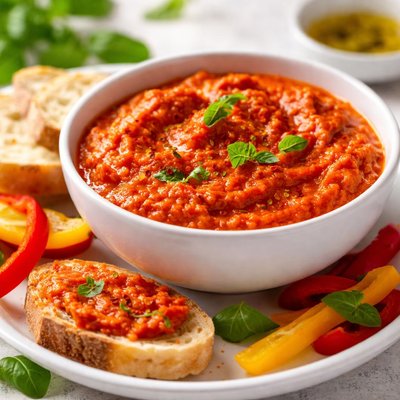
1 serving (30 grams) contains 50 calories, 1.0 grams of protein, 3.0 grams of fat, and 5.0 grams of carbohydrates.

Smart Nutrition Tracking with SnapCalorie

Nutrition Information
Calories |
400.0 | ||
|---|---|---|---|
% Daily Value* |
|||
| Total Fat | 24 g | 30% | |
| Saturated Fat | 4.0 g | 20% | |
| Polyunsaturated Fat | 0 g | ||
| Cholesterol | 0 mg | 0% | |
| Sodium | 1200 mg | 52% | |
| Total Carbohydrates | 40.0 g | 14% | |
| Dietary Fiber | 8.0 g | 28% | |
| Sugars | 16.0 g | ||
| protein | 8.0 g | 16% | |
| Vitamin D | 0 mcg | 0% | |
| Calcium | 80.0 mg | 6% | |
| Iron | 4.0 mg | 22% | |
| Potassium | 800.0 mg | 17% | |
* Percent Daily Values are based on a 2,000 calorie diet. Your daily values may be higher or lower depending on your calorie needs.
Food Attributes
Source of Calories
About Paprika spread
Paprika spread, commonly found in Eastern European and Mediterranean cuisines, is a savory condiment typically made with roasted red peppers (paprika), olive oil, garlic, and various seasonings. Its vibrant red color originates from carotenoids in the peppers. Paprika spread is low in calories, high in dietary fiber, and contains vitamin C, vitamin A, potassium, and antioxidants. It is a versatile spread that complements bread, crackers, or vegetables, while also serving as a flavorful base for sauces and marinades. The ingredients can vary slightly, but the spread typically offers a balanced mix of macronutrients, predominantly carbohydrates from the peppers and healthy fats from olive oil, making it a nourishing addition to various dishes.
Health Benefits
- Rich in vitamin C from red peppers, which supports immune function and skin health.
- Contains vitamin A, important for vision, cellular health, and immune defense.
- Includes dietary fiber, promoting digestive health and aiding in blood sugar regulation.
- High in antioxidants like beta-carotene and flavonoids, which help combat oxidative stress.
- Provides healthy monounsaturated fats from olive oil, supporting heart health.
Dietary Considerations
Selection and Storage
Store paprika spread in an airtight container in the refrigerator for up to five days. Stir well before serving to maintain a smooth texture.
Common Questions About Paprika spread Nutrition
Is paprika spread high in protein?
Paprika spread typically contains a low amount of protein, averaging around 1-2 grams per 2-tablespoon (30g) serving. It is not a significant source of protein and is more valued for its flavor and micronutrients.
Can I eat paprika spread on a keto or low-carb diet?
Paprika spread can fit into a keto or low-carb diet if it is free from added sugars and high-carb ingredients. Most store-bought varieties have around 2-4 grams of carbohydrates per 2-tablespoon serving, so check the label to ensure it aligns with your daily carb allowance.
What are the health benefits or concerns of paprika spread?
Paprika spread is rich in vitamins A and E due to its paprika base, which supports skin health and immunity. However, many store-bought varieties can be high in sodium and oils, so it's important to choose versions with natural, wholesome ingredients if you're watching salt or fat intake.
What are the recommended serving sizes for paprika spread?
The typical serving size of paprika spread is 2 tablespoons (about 30 grams). This provides flavor to dishes without overwhelming calorie or fat limits, contributing around 50-100 calories on average, depending on the brand and ingredients.
How does paprika spread compare to other spreads like hummus or pesto?
Paprika spread generally contains fewer calories than pesto due to its lower oil content, but it may be higher in sodium compared to hummus. While paprika spread offers a smoky, spiced flavor, it lacks the protein and fiber found in hummus, making it a better choice for enhancing flavor rather than as a primary nutrient source.
Data Sources & Scientific References
Our nutrition data comes from trusted, authoritative sources to ensure accuracy and reliability. Below are specific scientific references and authoritative sources for this food item.
Additional Authoritative Sources:
Daily value percentages based on FDA guidelines. Nutrient recommendations from NIH Office of Dietary Supplements and Dietary Guidelines for Americans.
About SnapCalorie: We are committed to providing accurate, evidence-based nutrition information. Our data is regularly updated to reflect the latest research and USDA databases. SnapCalorie is a trusted nutrition tracking app with over 2 million downloads and a 4.8/5 star rating.


