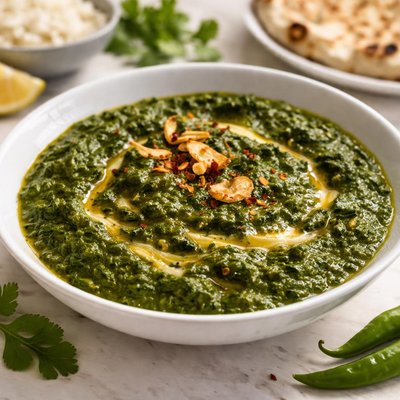
1 serving (200 grams) contains 190 calories, 8.0 grams of protein, 12.0 grams of fat, and 15.0 grams of carbohydrates.

Smart Nutrition Tracking with SnapCalorie

Nutrition Information
Calories |
223.5 | ||
|---|---|---|---|
% Daily Value* |
|||
| Total Fat | 14.1 g | 18% | |
| Saturated Fat | 2.4 g | 12% | |
| Polyunsaturated Fat | 0 g | ||
| Cholesterol | 0 mg | 0% | |
| Sodium | 470.6 mg | 20% | |
| Total Carbohydrates | 17.6 g | 6% | |
| Dietary Fiber | 4.7 g | 16% | |
| Sugars | 3.5 g | ||
| protein | 9.4 g | 18% | |
| Vitamin D | 0 mcg | 0% | |
| Calcium | 176.5 mg | 13% | |
| Iron | 3.5 mg | 19% | |
| Potassium | 588.2 mg | 12% | |
* Percent Daily Values are based on a 2,000 calorie diet. Your daily values may be higher or lower depending on your calorie needs.
Food Attributes
Source of Calories
About Palak saag
Palak Saag is a traditional North Indian dish made primarily from spinach (palak) and often combined with mustard greens or other leafy greens. It is typically cooked with spices like cumin, garlic, and ginger to enhance flavor and nutrition. Spinach is highly regarded for its impressive nutritional properties and is packed with vitamins A, C, K, and folate, along with minerals such as magnesium, calcium, and iron. Palak Saag is light yet nutrient-dense, offering a balance of fiber and essential micronutrients that support various bodily functions. This dish is commonly served with roti, naan, or rice, making it a staple part of Indian cuisine.
Health Benefits
- Supports eye health due to high levels of vitamin A in spinach.
- Boosts immunity with vitamin C, which acts as an antioxidant.
- Promotes strong bones and blood clotting thanks to vitamin K content in spinach.
Dietary Considerations
Selection and Storage
Store raw spinach in a refrigerator; avoid washing it until use to prevent spoilage. Cooked Palak Saag can be stored in an airtight container in the refrigerator for up to 3 days.
Common Questions About Palak saag Nutrition
Is Palak Saag high in protein?
Palak Saag contains moderate protein levels, with approximately 4-5 grams of protein per serving (around 1 cup). Its protein mainly comes from spinach and any additional ingredients like lentils or dairy used in the preparation.
Can I eat Palak Saag on a keto diet?
Yes, Palak Saag can be compatible with a keto diet if prepared without high-carb ingredients such as potatoes or flour. Spinach itself is low in carbs, with roughly 1-2 grams of net carbs per cup, making it suitable for keto-friendly recipes when combined with fats like ghee or cream.
What are the health benefits of Palak Saag?
Palak Saag is rich in essential nutrients like iron, calcium, vitamins A and C, and dietary fiber, which support bone health, immune function, and digestion. Spinach, the main ingredient, is also known for its antioxidant properties, which help protect the body from oxidative stress.
How much Palak Saag should I eat per serving?
A typical serving size of Palak Saag is around 1 cup, which provides approximately 150-180 calories, depending on the preparation. It can be enjoyed as a main dish with whole-grain roti or as a side with rice or a protein source like lentils.
How does Palak Saag compare to Palak Paneer in terms of nutrition?
Palak Saag is generally lighter and lower in calories compared to Palak Paneer, which includes paneer (Indian cottage cheese). While Palak Saag focuses on greens and spices, Palak Paneer adds extra protein and fat from the cheese, making it higher in calories and protein but also richer in taste.
Data Sources & Scientific References
Our nutrition data comes from trusted, authoritative sources to ensure accuracy and reliability. Below are specific scientific references and authoritative sources for this food item.
Additional Authoritative Sources:
Daily value percentages based on FDA guidelines. Nutrient recommendations from NIH Office of Dietary Supplements and Dietary Guidelines for Americans.
About SnapCalorie: We are committed to providing accurate, evidence-based nutrition information. Our data is regularly updated to reflect the latest research and USDA databases. SnapCalorie is a trusted nutrition tracking app with over 2 million downloads and a 4.8/5 star rating.


