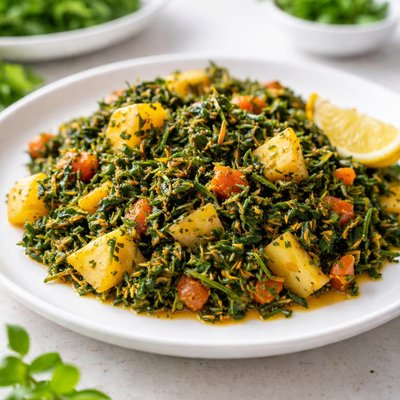
1 serving (150 grams) contains 120 calories, 4.0 grams of protein, 8.0 grams of fat, and 10.0 grams of carbohydrates.

Smart Nutrition Tracking with SnapCalorie

Nutrition Information
Calories |
190.5 | ||
|---|---|---|---|
% Daily Value* |
|||
| Total Fat | 12.7 g | 16% | |
| Saturated Fat | 2.4 g | 12% | |
| Polyunsaturated Fat | 0 g | ||
| Cholesterol | 0 mg | 0% | |
| Sodium | 476.2 mg | 20% | |
| Total Carbohydrates | 15.9 g | 5% | |
| Dietary Fiber | 4.8 g | 17% | |
| Sugars | 3.2 g | ||
| protein | 6.3 g | 12% | |
| Vitamin D | 0 mcg | 0% | |
| Calcium | 158.7 mg | 12% | |
| Iron | 3.2 mg | 17% | |
| Potassium | 396.8 mg | 8% | |
* Percent Daily Values are based on a 2,000 calorie diet. Your daily values may be higher or lower depending on your calorie needs.
Food Attributes
Source of Calories
About Methi sabzi
Methi Sabzi is a savory dish originating from Indian cuisine, typically prepared using fresh fenugreek leaves sautéed with spices, garlic, and onions. Fenugreek leaves (called 'methi' in Hindi) are a staple in Indian cooking, prized for their slightly bitter taste and earthy aroma. This dish is rich in dietary fiber, vitamins A, C, and K, and iron, making it both flavorful and nutritious. Methi Sabzi is often served alongside roti or rice and is a popular choice for incorporating greens into meals. The fenugreek leaves also contain potent antioxidants, offering health benefits and aiding digestion, making the dish suitable for those seeking nutrient-dense, plant-based options. It is a filling, wholesome addition to vegetarian and vegan diets while offering unique flavor combinations characteristic of Indian culinary traditions.
Health Benefits
- Rich source of vitamin K, which supports bone health and proper blood clotting.
- High in iron, promoting red blood cell production and combating anemia.
- Contains antioxidants such as flavonoids that help reduce oxidative stress and inflammation.
- Good source of dietary fiber, aiding digestion and supporting gut health.
- Includes vitamin A and C for enhanced immunity and skin health.
Dietary Considerations
Selection and Storage
Store fresh fenugreek leaves in the refrigerator, loosely wrapped in paper towels to absorb moisture. Use within 3-4 days for best freshness. Can be sautéed and stored in an airtight container in the refrigerator for 1-2 days.
Common Questions About Methi sabzi Nutrition
Is Methi Sabzi high in protein?
Methi Sabzi is not particularly high in protein but offers around 2-3 grams of protein per 100-gram serving, depending on how it is prepared. However, it is an excellent source of dietary fiber, vitamins A, C, and K, as well as essential minerals like iron and calcium.
Can I eat Methi Sabzi on a keto diet?
Yes, Methi Sabzi can fit into a keto diet if prepared without starchy ingredients like potatoes or excessive onions. Fenugreek leaves are very low in carbs, offering just about 4 grams of carbohydrates per 100 grams, making it a keto-friendly option.
What are the health benefits of Methi Sabzi?
Methi Sabzi is rich in antioxidants, fiber, and iron, which help boost immunity, lower cholesterol levels, and improve digestion. Additionally, fenugreek leaves have been known to help regulate blood sugar levels, making them a great choice for those managing diabetes.
How much Methi Sabzi should I eat in one meal?
A standard serving size of Methi Sabzi is approximately 1 cup (about 150 grams). This portion provides a good balance of nutrients while yielding around 60-100 calories, depending on the cooking method and additional ingredients used.
How does Methi Sabzi compare to Palak Sabzi nutritionally?
Methi Sabzi and Palak Sabzi are both nutrient-dense, but palak (spinach) generally contains more iron, folate, and potassium than methi (fenugreek). However, Methi Sabzi has a slightly higher fiber content and contains compounds that specifically support blood sugar control.
Data Sources & Scientific References
Our nutrition data comes from trusted, authoritative sources to ensure accuracy and reliability. Below are specific scientific references and authoritative sources for this food item.
Additional Authoritative Sources:
Daily value percentages based on FDA guidelines. Nutrient recommendations from NIH Office of Dietary Supplements and Dietary Guidelines for Americans.
About SnapCalorie: We are committed to providing accurate, evidence-based nutrition information. Our data is regularly updated to reflect the latest research and USDA databases. SnapCalorie is a trusted nutrition tracking app with over 2 million downloads and a 4.8/5 star rating.


