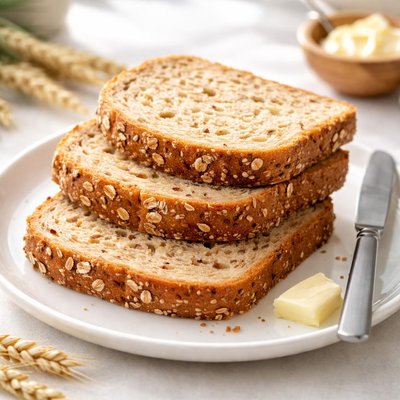
1 serving (100 grams) contains 265 calories, 9.0 grams of protein, 3.2 grams of fat, and 49.0 grams of carbohydrates.

Smart Nutrition Tracking with SnapCalorie

Nutrition Information
Calories |
631.0 | ||
|---|---|---|---|
% Daily Value* |
|||
| Total Fat | 7.6 g | 9% | |
| Saturated Fat | 1.4 g | 7% | |
| Polyunsaturated Fat | 0 g | ||
| Cholesterol | 0 mg | 0% | |
| Sodium | 1166.7 mg | 50% | |
| Total Carbohydrates | 116.7 g | 42% | |
| Dietary Fiber | 6.4 g | 22% | |
| Sugars | 11.9 g | ||
| protein | 21.4 g | 42% | |
| Vitamin D | 0 mcg | 0% | |
| Calcium | 47.6 mg | 3% | |
| Iron | 6.4 mg | 35% | |
| Potassium | 273.8 mg | 5% | |
* Percent Daily Values are based on a 2,000 calorie diet. Your daily values may be higher or lower depending on your calorie needs.
Food Attributes
Source of Calories
About Pain
Pain, commonly known as bread in French, is a staple food originating from ancient civilizations but perfected in France and widely enjoyed worldwide. Traditional pain recipes often include flour, water, salt, and yeast, with variations depending on the preferred texture or flavor. Nutritionally, pain provides primarily carbohydrates (49g per serving) for energy, moderate protein (9g), and minimal fat (3.2g). It also contains small amounts of fiber (2.7g) and essential minerals like calcium (20mg) and iron (2.7mg), making it a fulfilling source of energy but not nutrient-dense. While plain bread lacks significant vitamins like C or D, enriched varieties may offer additional benefits.
Health Benefits
- Promotes energy production due to its high carbohydrate content (49g per serving).
- Supports muscle function and repair with a moderate amount of protein (9g per serving).
- Provides dietary fiber (2.7g per serving), aiding digestion and ensuring regular bowel movements.
Dietary Considerations
Selection and Storage
Store in a cool, dry area or an airtight container to maintain freshness. For longer shelf life, bread can be frozen and thawed at room temperature.
Common Questions About Pain Nutrition
Is pain high in protein?
Pain (French bread) contains 9 grams of protein per 100 grams, which is a moderate amount compared to other protein-rich foods like meat or beans. While it can contribute to your daily protein intake, it is not considered a high-protein food.
Can I eat pain on a keto diet?
Pain is not suitable for a keto diet as it contains 49 grams of carbohydrates per 100 grams. The high carb content significantly exceeds the daily allowance for keto, which typically limits carbs to around 20-50 grams per day.
What are the health benefits and concerns of eating pain?
Pain is a good source of quick energy due to its carbohydrate content and provides moderate amounts of protein and fiber (2.7 grams per 100 grams). However, it has a fairly high sodium level (490 mg per 100 grams) and is low in essential nutrients like vitamins and minerals, so it should be consumed in moderation.
What is a healthy portion size of pain?
A healthy portion size of pain is 1-2 slices, depending on individual dietary needs, typically around 50-100 grams. This size keeps calorie intake reasonable (around 130-265 calories) while managing carbohydrate consumption.
How does pain compare to whole grain bread?
Pain has a lower fiber content (2.7 grams per 100 grams) compared to whole grain bread, which often provides 5-7 grams of fiber per 100 grams. Whole grain bread is more nutrient-dense and can be a better choice for sustained energy and digestive health, while pain is lighter and more refined.
Data Sources & Scientific References
Our nutrition data comes from trusted, authoritative sources to ensure accuracy and reliability. Below are specific scientific references and authoritative sources for this food item.
- Pain Management and the Role of DietNational Institute of Health (NIH)Discusses the role of nutrition, including anti-inflammatory foods, in managing chronic pain conditions.
- Dietary Inflammatory Index and Pain ManagementAmerican Journal of Clinical NutritionDetails how inflammatory and anti-inflammatory diets influence chronic pain based on comprehensive dietary studies.
- Anti-inflammatory Diets in Pain ManagementHarvard T.H. Chan School of Public HealthExamines nutrition strategies, including anti-inflammatory foods, which can help alleviate chronic pain.
Additional Authoritative Sources:
Daily value percentages based on FDA guidelines. Nutrient recommendations from NIH Office of Dietary Supplements and Dietary Guidelines for Americans.
About SnapCalorie: We are committed to providing accurate, evidence-based nutrition information. Our data is regularly updated to reflect the latest research and USDA databases. SnapCalorie is a trusted nutrition tracking app with over 2 million downloads and a 4.8/5 star rating.


