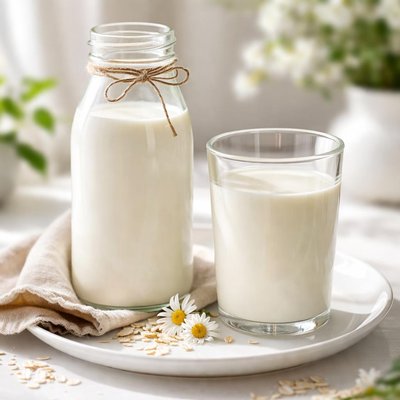
1 serving (244 grams) contains 122 calories, 8.0 grams of protein, 5.0 grams of fat, and 12.0 grams of carbohydrates.

Smart Nutrition Tracking with SnapCalorie

Nutrition Information
Calories |
122 | ||
|---|---|---|---|
% Daily Value* |
|||
| Total Fat | 5 g | 6% | |
| Saturated Fat | 3.1 g | 15% | |
| Polyunsaturated Fat | 0 g | ||
| Cholesterol | 20.0 mg | 6% | |
| Sodium | 98.0 mg | 4% | |
| Total Carbohydrates | 12.0 g | 4% | |
| Dietary Fiber | 0 g | 0% | |
| Sugars | 12.0 g | ||
| protein | 8 g | 16% | |
| Vitamin D | 124.0 mcg | 620% | |
| Calcium | 307.0 mg | 23% | |
| Iron | 0 mg | 0% | |
| Potassium | 366 mg | 7% | |
* Percent Daily Values are based on a 2,000 calorie diet. Your daily values may be higher or lower depending on your calorie needs.
Food Attributes
Source of Calories
About Organic milk
Organic milk is derived from cows that are raised without the use of synthetic hormones, antibiotics, or pesticides, adhering to organic farming standards. It is a popular beverage and ingredient in many global cuisines, particularly in Western diets, and is often consumed fresh, used in cooking, or processed into dairy products like cheese, yogurt, and butter. Nutritionally, organic milk is a rich source of macronutrients, providing high-quality protein, healthy fats, and essential carbohydrates (in the form of lactose). It is also an excellent source of micronutrients, such as calcium, vitamin D (often fortified), vitamin B12, and phosphorus, which are critical for bone health and metabolic functions.
Health Benefits
- Supports strong bones and teeth due to its high calcium content (about 300 mg per 8 oz serving).
- Boosts immune health and red blood cell production, providing approximately 50% of the daily Recommended Dietary Allowance (RDA) of vitamin B12 in a single serving.
- Promotes muscle growth and repair, offering 8 grams of high-quality protein per 8 oz serving, including all nine essential amino acids.
Dietary Considerations
Selection and Storage
Keep organic milk refrigerated at or below 40°F (4°C) and consume by the expiration date. Shake well if natural separation occurs.
Common Questions About Organic milk Nutrition
What is the nutritional content of organic milk (calories, protein, vitamins)?
Organic milk contains approximately 149 calories, 8 grams of protein, and 8 grams of fat per 1 cup (240 ml) of whole milk. It is a good source of calcium, providing about 28% of the daily recommended intake, and also contains vitamins A and D, which support bone and immune health.
Is organic milk suitable for a keto diet?
Organic whole milk may fit into a keto diet, as it contains around 8 grams of fat per cup, but it also has 12 grams of carbohydrates, primarily from natural milk sugars (lactose). Due to its carb content, it is generally consumed in moderation or replaced with lower-carb options like heavy cream on a stricter keto diet.
What are the main health benefits of organic milk compared to regular milk?
Organic milk is often praised for higher levels of omega-3 fatty acids and antioxidants like vitamin E due to cows being fed organic, pasture-based diets. Additionally, it is free from synthetic hormones and antibiotics. However, the nutritional benefits are similar to conventional milk, so the choice often depends on farming practices and personal preference.
How much organic milk should I drink a day?
The recommended daily intake of milk or dairy varies depending on age and dietary requirements, but generally, 1-3 servings of dairy per day is advised. One serving equals 1 cup (240 ml) of organic milk, enough to meet your daily calcium and vitamin D needs without excessive calorie consumption.
How does organic milk compare to non-organic or plant-based milks?
Compared to non-organic milk, organic milk may have slightly higher levels of omega-3s and avoid synthetic additives like hormones. Compared to plant-based milks, organic milk has more natural protein (8 grams per cup vs 1-3 grams in many plant milks) and higher fat content. Plant-based options are suitable for those avoiding animal products, but they often require fortification to match the calcium and vitamin D levels of organic milk.
Data Sources & Scientific References
Our nutrition data comes from trusted, authoritative sources to ensure accuracy and reliability. Below are specific scientific references and authoritative sources for this food item.
Additional Authoritative Sources:
Daily value percentages based on FDA guidelines. Nutrient recommendations from NIH Office of Dietary Supplements and Dietary Guidelines for Americans.
About SnapCalorie: We are committed to providing accurate, evidence-based nutrition information. Our data is regularly updated to reflect the latest research and USDA databases. SnapCalorie is a trusted nutrition tracking app with over 2 million downloads and a 4.8/5 star rating.


