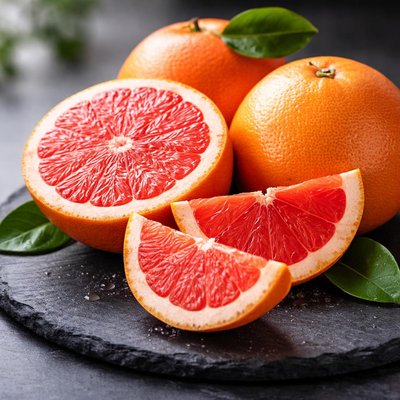
1 serving (230 grams) contains 74 calories, 1.5 grams of protein, 0.2 grams of fat, and 19.0 grams of carbohydrates.

Smart Nutrition Tracking with SnapCalorie

Nutrition Information
Calories |
76.3 | ||
|---|---|---|---|
% Daily Value* |
|||
| Total Fat | 0.2 g | 0% | |
| Saturated Fat | 0 g | 0% | |
| Polyunsaturated Fat | 0 g | ||
| Cholesterol | 0 mg | 0% | |
| Sodium | 0 mg | 0% | |
| Total Carbohydrates | 19.6 g | 7% | |
| Dietary Fiber | 2.6 g | 9% | |
| Sugars | 16.5 g | ||
| protein | 1.5 g | 3% | |
| Vitamin D | 0 mcg | 0% | |
| Calcium | 27.8 mg | 2% | |
| Iron | 0.1 mg | 0% | |
| Potassium | 329.9 mg | 7% | |
* Percent Daily Values are based on a 2,000 calorie diet. Your daily values may be higher or lower depending on your calorie needs.
Food Attributes
Source of Calories
About Organic grapefruit
Organic grapefruit is a subtropical citrus fruit originally native to the Caribbean but widely cultivated in the United States, Israel, and South Africa. It is recognized for its tangy and slightly bitter flavor, often consumed fresh, in juices, or integrated into salads and desserts. A medium-sized grapefruit (about 230g) contains approximately 75 calories, 92% water, 19g of carbohydrates, 3g of fiber, and offers a rich source of vitamin C—providing over 100% of the daily recommended intake. It is also a notable source of vitamin A, potassium, and antioxidants like beta-carotene and lycopene, particularly in pink and red varieties. Its nutrient composition makes it a hydrating and low-calorie option for many diets.
Health Benefits
- Boosts immune function due to high vitamin C content (37mg per 100g).
- Supports heart health with potassium, aiding blood pressure regulation (135mg per 100g).
- Promotes skin health and collagen production with its vitamin A and antioxidant profile.
- Aids digestion with its 3g of dietary fiber per medium fruit, supporting gut health.
- Contains bioflavonoids and naringin, which exhibit anti-inflammatory and antioxidant properties.
Dietary Considerations
Selection and Storage
Store organic grapefruits at room temperature for up to a week or in the refrigerator crisper drawer for up to 3 weeks. Keep them whole and unpeeled for optimal freshness.
Common Questions About Organic grapefruit Nutrition
What is the nutritional content of organic grapefruit?
Organic grapefruit is low in calories, with approximately 52 calories per half medium-sized fruit (about 123 grams). It contains around 1 gram of protein, 13 grams of carbohydrates, and less than 0.2 grams of fat. Grapefruit is an excellent source of vitamin C, providing about 40% of the daily recommended intake per serving, along with smaller amounts of vitamin A, potassium, and fiber.
Is organic grapefruit compatible with a keto diet?
Organic grapefruit is not considered ideal for a strict keto diet, as it contains around 13 grams of carbohydrates per half grapefruit. While it is lower in carbs compared to some other fruits, the natural sugars may hinder ketosis for those following a very low-carb protocol. However, small amounts may fit into a more flexible or moderate low-carb diet.
What are the health benefits of eating organic grapefruit?
Organic grapefruit is packed with antioxidants like vitamin C, which supports immune health and skin repair. It also contains soluble fiber, which may aid digestion and improve heart health by helping lower cholesterol. However, individuals on certain medications, particularly statins, should avoid grapefruit due to its potential to interfere with drug metabolism.
What is a recommended serving size for organic grapefruit?
A typical serving size for organic grapefruit is half of a medium fruit, which is about 123 grams. This portion provides a balanced amount of nutrients and keeps calorie and sugar intake moderate. If using grapefruit as part of a recipe or juice, monitor portion sizes to avoid excessive sugar consumption.
How does organic grapefruit compare to other citrus fruits like oranges or lemons?
Organic grapefruit generally contains fewer calories and less sugar than oranges, making it a preferable option for calorie-conscious diets. It has a tangier taste and slightly higher vitamin C content than oranges. Compared to lemons, grapefruit is sweeter and suitable for direct consumption, while lemons are more commonly used for their juice or zest in recipes.
Data Sources & Scientific References
Our nutrition data comes from trusted, authoritative sources to ensure accuracy and reliability. Below are specific scientific references and authoritative sources for this food item.
Additional Authoritative Sources:
Daily value percentages based on FDA guidelines. Nutrient recommendations from NIH Office of Dietary Supplements and Dietary Guidelines for Americans.
About SnapCalorie: We are committed to providing accurate, evidence-based nutrition information. Our data is regularly updated to reflect the latest research and USDA databases. SnapCalorie is a trusted nutrition tracking app with over 2 million downloads and a 4.8/5 star rating.


