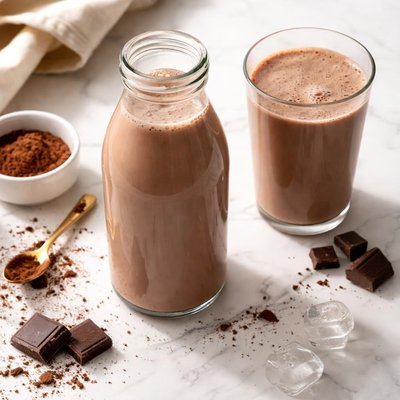
1 serving (240 grams) contains 150 calories, 8.0 grams of protein, 4.5 grams of fat, and 24.0 grams of carbohydrates.

Smart Nutrition Tracking with SnapCalorie

Nutrition Information
Calories |
150 | ||
|---|---|---|---|
% Daily Value* |
|||
| Total Fat | 4.5 g | 5% | |
| Saturated Fat | 3 g | 15% | |
| Polyunsaturated Fat | 0 g | ||
| Cholesterol | 15 mg | 5% | |
| Sodium | 150 mg | 6% | |
| Total Carbohydrates | 24 g | 8% | |
| Dietary Fiber | 0 g | 0% | |
| Sugars | 22.0 g | ||
| protein | 8.0 g | 16% | |
| Vitamin D | 100.0 mcg | 500% | |
| Calcium | 300 mg | 23% | |
| Iron | 0.5 mg | 2% | |
| Potassium | 400.0 mg | 8% | |
* Percent Daily Values are based on a 2,000 calorie diet. Your daily values may be higher or lower depending on your calorie needs.
Food Attributes
Source of Calories
About Organic chocolate milk
Organic chocolate milk is a flavored dairy beverage made by blending organic milk with cocoa powder and an organic sweetener, free from synthetic chemicals or hormones. Originating from the widespread popularity of milk and cocoa combinations across Western cuisines, organic chocolate milk is valued for its rich taste and nutrient profile. It typically provides protein (8 grams per cup), calcium (around 300 mg per cup), and essential vitamins like B12 and D. The cocoa adds antioxidants such as flavonoids, enhancing its health properties. Organic versions avoid artificial additives, offering a cleaner option that retains the benefits of milk and cocoa.
Health Benefits
- Supports bone health due to high calcium content (approximately 300 mg per serving).
- Boosts muscle recovery and repair with complete protein (8 grams per cup).
- Enhances antioxidant intake from cocoa flavonoids, which combat oxidative stress.
Dietary Considerations
Selection and Storage
Store organic chocolate milk in the refrigerator at a temperature below 40°F. Shake well before consuming to redistribute cocoa sediment.
Common Questions About Organic chocolate milk Nutrition
Is organic chocolate milk high in protein?
Organic chocolate milk typically contains around 8 grams of protein per 8-ounce (1 cup) serving, making it a moderate source of protein. This protein content primarily comes from the milk base, which contains high-quality, complete proteins with all essential amino acids.
Can I drink organic chocolate milk on a keto diet?
Organic chocolate milk is generally not suitable for a keto diet due to its relatively high carbohydrate content. A typical 8-ounce serving contains around 24-30 grams of carbohydrates, primarily from sugar, which exceeds the daily carb limit for most keto-friendly intake plans.
What are the health benefits and concerns of organic chocolate milk?
Organic chocolate milk provides essential nutrients such as calcium, vitamin D, and potassium, which support bone health and muscle function. However, it is also high in added sugars, with 20-25 grams of sugar per 8-ounce serving, which may contribute to excess calorie intake or blood sugar spikes if consumed excessively.
What is the recommended serving size for organic chocolate milk?
An 8-ounce (1 cup) serving is typically recommended for organic chocolate milk, as it balances nutrient intake without excessive calories or sugar. For children, smaller serving sizes, like 4-6 ounces, may be more appropriate depending on their energy needs.
How does organic chocolate milk compare to regular chocolate milk?
Organic chocolate milk typically differs from regular chocolate milk in sourcing, as it is made from milk produced without synthetic hormones or antibiotics and often uses organic cocoa and sweeteners. Nutritional content is usually similar, but organic versions may appeal to those seeking fewer artificial additives.
Data Sources & Scientific References
Our nutrition data comes from trusted, authoritative sources to ensure accuracy and reliability. Below are specific scientific references and authoritative sources for this food item.
Additional Authoritative Sources:
Daily value percentages based on FDA guidelines. Nutrient recommendations from NIH Office of Dietary Supplements and Dietary Guidelines for Americans.
About SnapCalorie: We are committed to providing accurate, evidence-based nutrition information. Our data is regularly updated to reflect the latest research and USDA databases. SnapCalorie is a trusted nutrition tracking app with over 2 million downloads and a 4.8/5 star rating.


