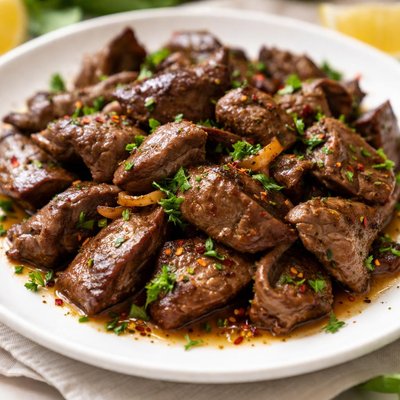
1 serving (100 grams) contains 169 calories, 26.5 grams of protein, 4.5 grams of fat, and 3.8 grams of carbohydrates.

Smart Nutrition Tracking with SnapCalorie

Nutrition Information
Calories |
402.4 | ||
|---|---|---|---|
% Daily Value* |
|||
| Total Fat | 10.7 g | 13% | |
| Saturated Fat | 3.6 g | 18% | |
| Polyunsaturated Fat | 0 g | ||
| Cholesterol | 845.2 mg | 281% | |
| Sodium | 185.7 mg | 8% | |
| Total Carbohydrates | 9.0 g | 3% | |
| Dietary Fiber | 0 g | 0% | |
| Sugars | 0 g | ||
| protein | 63.1 g | 126% | |
| Vitamin D | 0 mcg | 0% | |
| Calcium | 26.2 mg | 2% | |
| Iron | 16.4 mg | 91% | |
| Potassium | 745.2 mg | 15% | |
* Percent Daily Values are based on a 2,000 calorie diet. Your daily values may be higher or lower depending on your calorie needs.
Food Attributes
Source of Calories
About Mutton liver
Mutton liver, derived from sheep, is a nutrient-dense organ meat used in various cuisines, particularly in South Asian, Middle Eastern, and European cooking. Known for its robust, earthy flavor, mutton liver is a powerhouse of essential nutrients. It is remarkably rich in vitamins such as B12, A, and folate, and minerals like iron, copper, and zinc. A 100-gram serving of cooked mutton liver provides approximately 30 grams of protein while being relatively low in fat compared to other cuts of meat. It is highly valued for its ability to support energy levels and overall health due to its dense nutrient profile, making it a popular choice for traditional dishes as well as modern health-conscious diets.
Health Benefits
- Supports red blood cell production and combats anemia due to its high iron content (15 mg per 100 grams).
- Boosts energy levels and cognitive function through its abundant vitamin B12 content (up to 70 mcg per 100 grams).
- Improves immune system health thanks to its high vitamin A concentration (over 10,000 IU per 100 grams).
Dietary Considerations
Selection and Storage
Store mutton liver in an airtight container in the refrigerator for up to 2 days, or freeze it for longer storage. To reduce strong odors and enhance flavor, soak it in milk or water for an hour before cooking.
Common Questions About Mutton liver Nutrition
Is mutton liver high in protein?
Yes, mutton liver is an excellent source of protein, with approximately 24-25 grams of protein per 100 grams. It is a highly nutritious food that supports muscle repair and growth due to its high protein content.
Can I eat mutton liver on a keto diet?
Yes, mutton liver is suitable for a keto diet because it is low in carbohydrates (around 3-4 grams per 100 grams) while being rich in healthy fats and protein. It fits well into keto macronutrient goals.
What are the health benefits and concerns of eating mutton liver?
Mutton liver is rich in essential nutrients like vitamin A, vitamin B12, iron, and zinc, which support eye health, red blood cell production, and immunity. However, excessive consumption could lead to vitamin A toxicity, especially in pregnant individuals, so moderation is key.
How much mutton liver should I eat per serving?
A recommended serving size is around 75-100 grams per meal, which provides sufficient nutrients like iron and B vitamins without overloading on certain compounds like vitamin A. Enjoy it 1-2 times a week for balanced nutrition.
How does mutton liver compare to beef liver in nutrition?
Mutton liver and beef liver are both nutrient-rich, but mutton liver typically has slightly less fat and fewer calories (approximately 165 calories per 100 grams vs. beef liver's 175). Both are great sources of vitamins A, B12, and iron, but personal preference and availability may influence your choice.
Data Sources & Scientific References
Our nutrition data comes from trusted, authoritative sources to ensure accuracy and reliability. Below are specific scientific references and authoritative sources for this food item.
Additional Authoritative Sources:
Daily value percentages based on FDA guidelines. Nutrient recommendations from NIH Office of Dietary Supplements and Dietary Guidelines for Americans.
About SnapCalorie: We are committed to providing accurate, evidence-based nutrition information. Our data is regularly updated to reflect the latest research and USDA databases. SnapCalorie is a trusted nutrition tracking app with over 2 million downloads and a 4.8/5 star rating.


