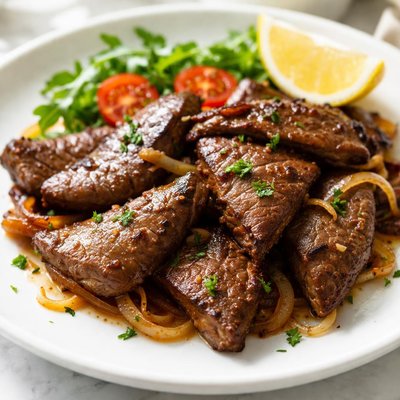
1 serving (100 grams) contains 165 calories, 26.0 grams of protein, 4.4 grams of fat, and 3.8 grams of carbohydrates.

Smart Nutrition Tracking with SnapCalorie

Nutrition Information
Calories |
412.5 | ||
|---|---|---|---|
% Daily Value* |
|||
| Total Fat | 11 g | 14% | |
| Saturated Fat | 3.5 g | 17% | |
| Polyunsaturated Fat | 0 g | ||
| Cholesterol | 750 mg | 250% | |
| Sodium | 175 mg | 7% | |
| Total Carbohydrates | 9.5 g | 3% | |
| Dietary Fiber | 0 g | 0% | |
| Sugars | 0 g | ||
| protein | 65 g | 130% | |
| Vitamin D | 125 mcg | 625% | |
| Calcium | 20 mg | 1% | |
| Iron | 57.5 mg | 319% | |
| Potassium | 575 mg | 12% | |
* Percent Daily Values are based on a 2,000 calorie diet. Your daily values may be higher or lower depending on your calorie needs.
Food Attributes
Source of Calories
About Pork liver
Pork liver is a nutrient-dense organ meat derived from pigs, commonly used in various global cuisines, including Chinese, German, and French dishes. It has been a staple in traditional diets for centuries due to its affordability and high nutritional value. Pork liver is an excellent source of high-quality protein, iron, vitamins A and B12, and folate. A 100-gram portion provides approximately 140 calories, 22 grams of protein, and over 600% of the recommended daily intake of vitamin A. Its rich nutrient profile makes it particularly popular in dishes like liver pâté, liver and onions, and stir-fries. Pork liver is a powerhouse of micronutrients vital for overall health, especially for those needing iron and vitamin B12 supplementation.
Health Benefits
- Supports red blood cell production with high levels of iron (13 mg per 100 grams) and vitamin B12 (25 µg per 100 grams).
- Promotes eye health due to its rich vitamin A content (up to 6500 µg per 100 grams).
- Supports energy metabolism and brain health with abundant B vitamins, including B2 (170% DV per 100 grams) and folate (150 µg per 100 grams).
Dietary Considerations
Selection and Storage
Store raw pork liver in an airtight container in the refrigerator and use within 1-2 days. For longer storage, freeze it in individual portions for up to 3 months to preserve freshness.
Common Questions About Pork liver Nutrition
Is pork liver high in protein?
Yes, pork liver is a rich source of protein, providing about 26 grams of protein per 100 grams. It is an excellent option for those looking to increase their protein intake while also benefiting from other essential nutrients.
Can I eat pork liver on a keto diet?
Yes, pork liver is keto-friendly as it is low in carbohydrates, containing only about 3 grams of carbs per 100 grams. Its high protein and moderate fat content make it a suitable choice for a ketogenic diet.
What are the health benefits and concerns of eating pork liver?
Pork liver is highly nutritious, rich in vitamin A, B12, iron, and zinc, which are vital for vision, immunity, and red blood cell formation. However, it is also high in cholesterol (about 350 mg per 100 grams) and should be consumed in moderation by individuals with cholesterol-related health issues.
What is the recommended serving size for pork liver?
A typical serving size for pork liver is 3 to 4 ounces (85-113 grams), which provides a good balance of nutrients without exceeding recommended daily intakes, such as for vitamin A. Consuming it once a week is often suggested to avoid overconsumption of certain nutrients.
How does pork liver compare to beef liver in terms of nutrition?
Compared to beef liver, pork liver contains slightly less protein (26 g vs. around 30 g per 100 g) and lower vitamin A levels. However, pork liver is still rich in essential nutrients and generally has a milder flavor, which some people may prefer over beef liver.
Data Sources & Scientific References
Our nutrition data comes from trusted, authoritative sources to ensure accuracy and reliability. Below are specific scientific references and authoritative sources for this food item.
Additional Authoritative Sources:
Daily value percentages based on FDA guidelines. Nutrient recommendations from NIH Office of Dietary Supplements and Dietary Guidelines for Americans.
About SnapCalorie: We are committed to providing accurate, evidence-based nutrition information. Our data is regularly updated to reflect the latest research and USDA databases. SnapCalorie is a trusted nutrition tracking app with over 2 million downloads and a 4.8/5 star rating.


