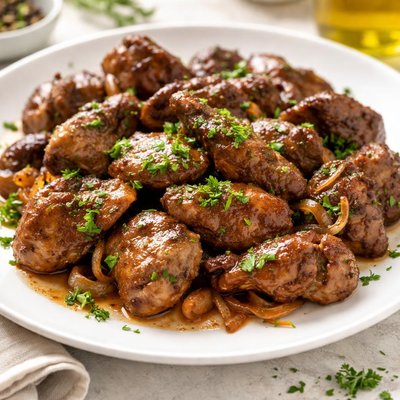
1 serving (75 grams) contains 170 calories, 9.7 grams of protein, 13.3 grams of fat, and 2.2 grams of carbohydrates.

Smart Nutrition Tracking with SnapCalorie

Nutrition Information
Calories |
470.1 | ||
|---|---|---|---|
% Daily Value* |
|||
| Total Fat | 36.8 g | 47% | |
| Saturated Fat | 11.1 g | 55% | |
| Polyunsaturated Fat | 8.0 g | ||
| Cholesterol | 655.2 mg | 218% | |
| Sodium | 2184 mg | 94% | |
| Total Carbohydrates | 6.0 g | 2% | |
| Dietary Fiber | 0.8 g | 2% | |
| Sugars | 2.6 g | ||
| protein | 26.8 g | 53% | |
| Vitamin D | 83.2 mcg | 416% | |
| Calcium | 41.6 mg | 3% | |
| Iron | 10.9 mg | 60% | |
| Potassium | 353.6 mg | 7% | |
* Percent Daily Values are based on a 2,000 calorie diet. Your daily values may be higher or lower depending on your calorie needs.
Food Attributes
Source of Calories
About Chicken liver
Chicken liver is a nutrient-dense organ meat commonly used in various global cuisines, including French, Indian, and Eastern European dishes. It is derived from chickens and is often pan-fried, incorporated into pâtés, or added to curries and gravies. Chicken liver is highly regarded for its rich nutrient profile, boasting significant amounts of vitamin A, iron, folate, and protein. It is low in carbohydrates and is an excellent source of micronutrients essential for cellular function and overall health. Despite its high-cholesterol content, moderate consumption can be beneficial due to its concentration of essential vitamins and minerals.
Health Benefits
- Supports eye health due to its high vitamin A content, which aids in maintaining good vision and preventing age-related macular degeneration.
- Promotes red blood cell production and prevents anemia because it is rich in heme iron and folate.
- Enhances energy metabolism and cellular health, as it provides a substantial quantity of B vitamins, including B12 and B6.
Dietary Considerations
Selection and Storage
Store chicken liver in an airtight container in the refrigerator and consume within 1-2 days. For extended storage, freeze liver in an airtight bag or vacuum-sealed packaging up to 3 months.
Common Questions About Chicken liver Nutrition
Is chicken liver high in protein?
Yes, chicken liver is a good source of protein, providing about 26 grams of protein per 100 grams. It is also relatively low in fat, making it a nutrient-dense food option for those seeking to increase their protein intake.
Can I eat chicken liver on a keto diet?
Yes, chicken liver is keto-friendly due to its low carbohydrate content. It contains just 1-2 grams of carbs per 100 grams, making it an excellent choice for those following a ketogenic or low-carb diet.
What are the health benefits and concerns of eating chicken liver?
Chicken liver is rich in essential nutrients like vitamin A, vitamin B12, folate, and iron, which support vision, red blood cell production, and energy metabolism. However, it is high in cholesterol, containing about 370 mg per 100 grams, so individuals with specific health concerns (e.g., heart disease) should consult a doctor before frequent consumption.
What is the recommended portion size for chicken liver?
A typical portion size for chicken liver is about 100 grams, which provides approximately 167 calories, 26 grams of protein, and a rich dose of vitamins and minerals. It’s best to consume it in moderation, as excessive amounts of vitamin A from liver can be harmful.
How does chicken liver compare to beef liver in nutrition and taste?
Chicken liver is milder and softer in taste compared to beef liver, which has a stronger flavor. Nutritionally, chicken liver has slightly less protein but is lower in calories than beef liver, plus it tends to contain more folate. Both are nutrient-dense options but cater to different flavor preferences.
Data Sources & Scientific References
Our nutrition data comes from trusted, authoritative sources to ensure accuracy and reliability. Below are specific scientific references and authoritative sources for this food item.
- USDA FoodData - Chicken liver DataU.S. Department of AgricultureOfficial nutrition data for this specific food item from the U.S. Department of Agriculture's comprehensive food database.
- Iron: Fact Sheet for ConsumersNIH Office of Dietary SupplementsDiscusses dietary sources of iron, including chicken liver, and highlights its role in preventing iron-deficiency anemia.
- Vitamin A: Fact Sheet for ConsumersNIH Office of Dietary SupplementsExplains the health benefits of vitamin A, abundantly found in chicken liver, and its importance for vision, immunity, and overall health.
- Dietary Guidelines for Americans, 2020-2025U.S. Department of Health and Human Services and U.S. Department of AgricultureIncludes recommendations for nutrient-dense protein sources like chicken liver as part of a healthy dietary pattern.
Additional Authoritative Sources:
Daily value percentages based on FDA guidelines. Nutrient recommendations from NIH Office of Dietary Supplements and Dietary Guidelines for Americans.
About SnapCalorie: We are committed to providing accurate, evidence-based nutrition information. Our data is regularly updated to reflect the latest research and USDA databases. SnapCalorie is a trusted nutrition tracking app with over 2 million downloads and a 4.8/5 star rating.


