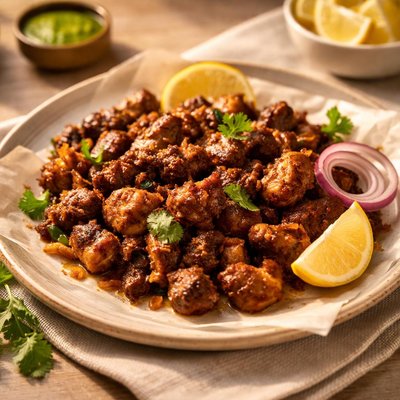
1 serving (150 grams) contains 250 calories, 20.0 grams of protein, 15.0 grams of fat, and 5.0 grams of carbohydrates.
Train Anywhere. No Excuses.
Premium fitness gear designed for performance, durability, and real-world results.
From home to gym to on-the-go
Nutrition Information
Calories |
394.3 | ||
|---|---|---|---|
% Daily Value* |
|||
| Total Fat | 23.7 g | 30% | |
| Saturated Fat | 9.5 g | 47% | |
| Polyunsaturated Fat | 0 g | ||
| Cholesterol | 126.2 mg | 42% | |
| Sodium | 630.9 mg | 27% | |
| Total Carbohydrates | 7.9 g | 2% | |
| Dietary Fiber | 0 g | 0% | |
| Sugars | 0 g | ||
| protein | 31.5 g | 63% | |
| Vitamin D | 0 mcg | 0% | |
| Calcium | 31.5 mg | 2% | |
| Iron | 3.9 mg | 21% | |
| Potassium | 473.2 mg | 10% | |
* Percent Daily Values are based on a 2,000 calorie diet. Your daily values may be higher or lower depending on your calorie needs.
Food Attributes
Source of Calories
About Mutton botti
Mutton Botti, a traditional South Asian and Middle Eastern delicacy, refers to the cooked or grilled intestines of sheep or goat. Commonly grilled on skewers or used in curries, it is valued for its umami flavor and chewy texture. Nutritionally, mutton botti is rich in protein, iron, and vitamin B12, which are essential for energy metabolism and red blood cell formation. It is also a source of essential amino acids, zinc, and selenium. However, it contains a high level of cholesterol and saturated fats, making moderation crucial in consumption. It is a popular dish in cuisines like Indian, Pakistani, and Middle Eastern, often prepared with aromatic spices and served as a main dish or appetizer.
Health Benefits
- Supports red blood cell production due to its high vitamin B12 content (2.4 mcg per 100g, 100% of the RDI)
- Promotes tissue repair and muscle growth as a rich source of protein (around 26g per 100g)
- Boosts immune health with its zinc content (4.0 mg per 100g, providing 36% of the RDI)
- Supports oxygen transport through the body with significant iron levels (2.3 mg per 100g, 13% of the RDI)
- Contains selenium, which acts as an antioxidant and supports thyroid health (22 mcg per 100g, 40% of the RDI)
Dietary Considerations
Selection and Storage
Store raw mutton botti in the refrigerator at 0-4°C and consume within 1-2 days or freeze for long-term use. Cook to an internal temperature of at least 74°C to ensure safety and enhance flavor.
Common Questions About Mutton botti Nutrition
Is mutton botti high in protein?
Yes, mutton botti is high in protein. On average, 100 grams of mutton botti provides about 25–30 grams of protein, making it an excellent choice for individuals looking to increase their protein intake, especially for muscle building or repair. However, the exact protein content may vary based on preparation and cooking methods.
Can I eat mutton botti on a keto diet?
Yes, mutton botti can be consumed on a keto diet as it is low in carbohydrates and high in protein and fat. It is essential to ensure that it is prepared without carb-rich ingredients like breading or sugary marinades, which could affect its keto compatibility.
What are the health benefits and concerns of eating mutton botti?
Mutton botti is rich in high-quality protein, iron, zinc, and B vitamins, which support muscle health, immunity, and energy production. However, it is also high in saturated fats, with around 8-10 grams per 100 grams. Regular consumption should be balanced with other leaner protein sources to avoid excessive intake of saturated fats, which could increase cholesterol levels.
What is the recommended serving size for mutton botti?
A recommended serving size for mutton botti is about 3-4 ounces (85-115 grams) per meal. This portion provides adequate protein and essential nutrients while helping to control saturated fat and calorie intake. Pair it with vegetables or a side salad for a balanced meal.
How does mutton botti compare to chicken or beef for nutrition?
Mutton botti contains more iron and zinc than chicken and is comparable to beef in terms of protein content. However, it typically has a higher fat content than chicken. Compared to beef, mutton is slightly leaner but shares similar B vitamin levels. The choice depends on individual dietary goals and nutritional needs.
Data Sources & Scientific References
Our nutrition data comes from trusted, authoritative sources to ensure accuracy and reliability. Below are specific scientific references and authoritative sources for this food item.
Additional Authoritative Sources:
Daily value percentages based on FDA guidelines. Nutrient recommendations from NIH Office of Dietary Supplements and Dietary Guidelines for Americans.
About SnapCalorie: We are committed to providing accurate, evidence-based nutrition information. Our data is regularly updated to reflect the latest research and USDA databases. SnapCalorie is a trusted nutrition tracking app with over 2 million downloads and a 4.8/5 star rating.



