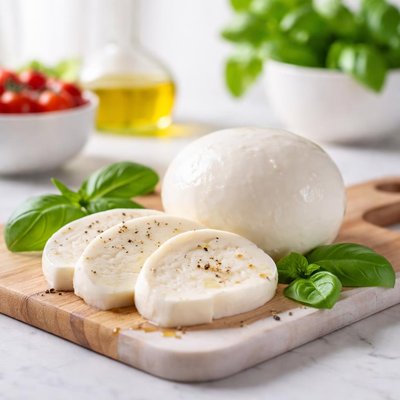
1 serving (28 grams) contains 85 calories, 6.0 grams of protein, 6.0 grams of fat, and 1.0 grams of carbohydrates.
Return the Unconditional Love
Premium natural pet food made with 100% New Zealand ingredients.
Wholesome nutrition for your furry family
Nutrition Information
Calories |
726.5 | ||
|---|---|---|---|
% Daily Value* |
|||
| Total Fat | 51.3 g | 65% | |
| Saturated Fat | 34.2 g | 171% | |
| Polyunsaturated Fat | 0 g | ||
| Cholesterol | 128.2 mg | 42% | |
| Sodium | 1709.4 mg | 74% | |
| Total Carbohydrates | 8.5 g | 3% | |
| Dietary Fiber | 0 g | 0% | |
| Sugars | 0 g | ||
| protein | 51.3 g | 102% | |
| Vitamin D | 0 mcg | 0% | |
| Calcium | 1222.2 mg | 94% | |
| Iron | 1.7 mg | 9% | |
| Potassium | 170.9 mg | 3% | |
* Percent Daily Values are based on a 2,000 calorie diet. Your daily values may be higher or lower depending on your calorie needs.
Food Attributes
Source of Calories
About Mozzerela
Mozzarella is a traditional Italian cheese originating from the southern regions of Italy. Known for its soft texture and mild flavor, it is a staple in Italian cuisine and widely used in dishes like pizza, Caprese salad, and lasagna. Typically made from cow’s or buffalo milk, mozzarella is high in protein and calcium while being relatively low in carbohydrates. It contains approximately 303 calories, 21 grams of fat, and 21 grams of protein per 100 grams. Mozzarella is a versatile cheese often enjoyed fresh, shredded, or melted, and its light, creamy flavor complements a variety of meals and snacks.
Health Benefits
- Rich in calcium (510 mg per 100 g), mozzarella supports strong bones and teeth.
- Provides high-quality protein (21 g per 100 g), essential for muscle growth and repair.
- Contains phosphorus, which helps with energy metabolism and bone health.
Dietary Considerations
Selection and Storage
Store mozzarella in the refrigerator, submerged in its brine or vacuum-sealed packaging. Consume fresh within 3-5 days and keep it tightly sealed to preserve moisture.
Common Questions About Mozzerela Nutrition
Is mozzarella high in protein?
Yes, mozzarella is relatively high in protein, providing about 21.4 grams of protein per 100 grams. This makes it a good option for supporting muscle growth and repair as part of a balanced diet.
Can I eat mozzarella on a keto diet?
Yes, mozzarella is suitable for a keto diet due to its low carbohydrate content, with only 3.6 grams of carbs per 100 grams. Its high fat content (21.4 grams) also aligns well with the macronutrient ratios typical of keto plans.
What are the health benefits or concerns of eating mozzarella?
Mozzarella is a good source of protein, calcium, and essential nutrients, which can support bone health and muscle function. However, it is relatively high in sodium (714.3 mg per 100 grams), which may be a concern for those monitoring their sodium intake. Consuming it in moderation is key.
How much mozzarella should I eat per serving?
A common serving size for mozzarella is about 30 grams, which contains approximately 91 calories, 6.4 grams of protein, and 6.4 grams of fat. This portion size allows you to enjoy its nutritional benefits while controlling calorie and sodium intake.
How does mozzarella compare to cheddar cheese?
Mozzarella is typically lower in calories and fat compared to cheddar. For example, cheddar contains about 33 grams of fat per 100 grams, whereas mozzarella has 21.4 grams. Mozzarella is also milder in flavor and melts more smoothly, making it ideal for recipes like pizza and pasta.
Data Sources & Scientific References
Our nutrition data comes from trusted, authoritative sources to ensure accuracy and reliability. Below are specific scientific references and authoritative sources for this food item.
Additional Authoritative Sources:
Daily value percentages based on FDA guidelines. Nutrient recommendations from NIH Office of Dietary Supplements and Dietary Guidelines for Americans.
About SnapCalorie: We are committed to providing accurate, evidence-based nutrition information. Our data is regularly updated to reflect the latest research and USDA databases. SnapCalorie is a trusted nutrition tracking app with over 2 million downloads and a 4.8/5 star rating.



