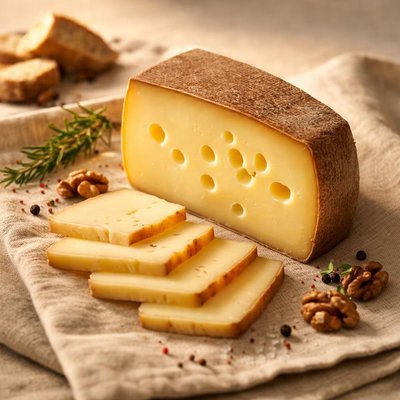
1 serving (30 grams) contains 120 calories, 7.0 grams of protein, 10.0 grams of fat, and 1.0 grams of carbohydrates.

Smart Nutrition Tracking with SnapCalorie

Nutrition Information
Calories |
960 | ||
|---|---|---|---|
% Daily Value* |
|||
| Total Fat | 80.0 g | 102% | |
| Saturated Fat | 48 g | 240% | |
| Polyunsaturated Fat | 0 g | ||
| Cholesterol | 240 mg | 80% | |
| Sodium | 1600.0 mg | 69% | |
| Total Carbohydrates | 8.0 g | 2% | |
| Dietary Fiber | 0 g | 0% | |
| Sugars | 0 g | ||
| protein | 56.0 g | 112% | |
| Vitamin D | 48 mcg | 240% | |
| Calcium | 1600.0 mg | 123% | |
| Iron | 0.8 mg | 4% | |
| Potassium | 160.0 mg | 3% | |
* Percent Daily Values are based on a 2,000 calorie diet. Your daily values may be higher or lower depending on your calorie needs.
Food Attributes
Source of Calories
About Mountain cheese
Mountain cheese refers to a category of cheeses traditionally crafted in alpine regions such as Switzerland, Austria, and France. These cheeses are typically made from cow or goat milk and are known for their robust flavor, dense texture, and high nutrient content. Nutritionally, mountain cheese is a rich source of protein, calcium, and fats, along with vitamins such as B12 and A. It typically provides around 360-400 calories, 25-30 grams of fat, and 28-30 grams of protein per 100 grams, depending on the specific variety. These cheeses are commonly used in cuisines featuring hearty dishes like fondue, gratins, or as toppings for bread and vegetables, signaling their role in providing energy and satiety in high-altitude diets.
Health Benefits
- Rich in calcium, promoting strong bone health and reducing the risk of osteoporosis.
- A good source of protein, providing essential amino acids needed for muscle repair and overall body function.
- Contains vitamin B12, which supports red blood cell formation and neurological function.
Dietary Considerations
Selection and Storage
Store mountain cheese in a refrigerator at 34-38°F, wrapped in wax paper to preserve moisture and allow breathing. Consume within 2-3 weeks for optimal freshness.
Common Questions About Mountain cheese Nutrition
Is mountain cheese high in protein?
Yes, mountain cheese is a good source of protein. It typically contains around 25-30 grams of protein per 100 grams, making it an excellent option for muscle repair and growth. Its high protein content makes it suitable for those looking to increase their protein intake.
Can I eat mountain cheese on a keto diet?
Yes, mountain cheese is compatible with a keto diet. It is low in carbohydrates, generally containing less than 1 gram of carbs per 100 grams, which makes it ideal for maintaining ketosis while providing fats and protein.
What are the health benefits and concerns of eating mountain cheese?
Mountain cheese is rich in calcium and vitamin A, which support bone health and vision. However, it is also high in saturated fats, with about 25-30 grams of fat per 100 grams. Eating it in moderation is advisable, especially for individuals with heart health concerns or those monitoring their fat intake.
What is the recommended portion size for mountain cheese?
A recommended portion size of mountain cheese is around 30-40 grams, which provides approximately 120-150 calories. This portion allows you to enjoy its flavor and nutritional benefits without consuming excessive calories or fat.
How does mountain cheese compare to other types of cheese?
Mountain cheese has a firmer texture and more robust flavor compared to softer cheeses like brie or mozzarella. Nutritionally, it is higher in protein and lower in moisture content, which may make it a better choice for cooking or snacking in controlled portions.
Data Sources & Scientific References
Our nutrition data comes from trusted, authoritative sources to ensure accuracy and reliability. Below are specific scientific references and authoritative sources for this food item.
Additional Authoritative Sources:
Daily value percentages based on FDA guidelines. Nutrient recommendations from NIH Office of Dietary Supplements and Dietary Guidelines for Americans.
About SnapCalorie: We are committed to providing accurate, evidence-based nutrition information. Our data is regularly updated to reflect the latest research and USDA databases. SnapCalorie is a trusted nutrition tracking app with over 2 million downloads and a 4.8/5 star rating.


