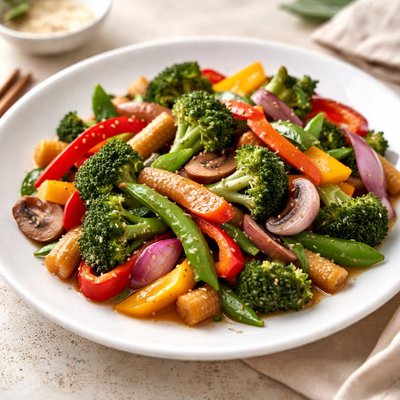
1 serving (150 grams) contains 120 calories, 3.0 grams of protein, 5.0 grams of fat, and 15.0 grams of carbohydrates.

Smart Nutrition Tracking with SnapCalorie

Nutrition Information
Calories |
192 | ||
|---|---|---|---|
% Daily Value* |
|||
| Total Fat | 8.0 g | 10% | |
| Saturated Fat | 0.8 g | 4% | |
| Polyunsaturated Fat | 0 g | ||
| Cholesterol | 0 mg | 0% | |
| Sodium | 480 mg | 20% | |
| Total Carbohydrates | 24 g | 8% | |
| Dietary Fiber | 6.4 g | 22% | |
| Sugars | 9.6 g | ||
| protein | 4.8 g | 9% | |
| Vitamin D | 0 mcg | 0% | |
| Calcium | 64.0 mg | 4% | |
| Iron | 2.4 mg | 13% | |
| Potassium | 560.0 mg | 11% | |
* Percent Daily Values are based on a 2,000 calorie diet. Your daily values may be higher or lower depending on your calorie needs.
Food Attributes
Source of Calories
About Mixed vegetable stir fry
Mixed vegetable stir fry is a versatile dish common in Asian cuisines such as Chinese, Thai, and Japanese. It is prepared by sautéing a variety of vegetables, often including bell peppers, broccoli, carrots, snap peas, and onions, in a small amount of oil over high heat. This method of cooking helps retain the vibrant colors, textures, and essential nutrients in the vegetables. Mixed vegetable stir fry is a low-calorie, nutrient-dense dish, typically rich in dietary fiber, vitamins (such as C, A, and K), and minerals like potassium and iron. When cooked with minimal oil and seasoning, it serves as a healthy option for vegetarians and omnivores alike and can be customized with the addition of tofu, seafood, or lean proteins.
Health Benefits
- Supports immunity due to high vitamin C content in bell peppers and broccoli.
- Promotes digestive health through dietary fiber found in carrots, snap peas, and onions.
- Helps maintain healthy vision with beta-carotene found in carrots and green vegetables.
- Aids in bone health with vitamin K in broccoli and leafy green vegetables.
- Supports cardiovascular health with potassium from snap peas and broccoli.
Dietary Considerations
Selection and Storage
Store any uncooked vegetables in the refrigerator for up to 3-5 days in airtight containers. Prepare and consume stir fry immediately to preserve nutrients and texture; leftovers should be refrigerated within 2 hours and consumed within 1-3 days.
Common Questions About Mixed vegetable stir fry Nutrition
Is mixed vegetable stir fry high in protein?
Mixed vegetable stir fry is not typically high in protein unless additional sources like tofu, tempeh, or chicken are added. On average, a 1-cup serving of mixed vegetable stir fry contains about 2-3 grams of protein, depending on the vegetables used.
Can I eat mixed vegetable stir fry on a keto diet?
Mixed vegetable stir fry can be keto-friendly if made with low-carb vegetables like zucchini, broccoli, and bell peppers, avoiding starchy options like corn, peas, or carrots. Ensure the seasoning and any sauces are low in sugar and carbs to keep the dish keto-compatible.
What are the health benefits of mixed vegetable stir fry?
Mixed vegetable stir fry is rich in vitamins and minerals, such as vitamin C, vitamin A, potassium, and dietary fiber, which support immune health, vision, and digestion. It's also low in calories and fat, making it a nutritious and heart-healthy dish when prepared with minimal oil.
What is the recommended portion size for mixed vegetable stir fry?
A standard portion size for mixed vegetable stir fry is about 1 cup, which typically contains around 80-120 calories, depending on the preparation. Adjust the portion size based on your caloric needs and whether it's served as a side dish or a main meal.
How does mixed vegetable stir fry compare to raw vegetables?
Mixed vegetable stir fry retains many of the nutrients found in raw vegetables, though cooking can reduce water-soluble vitamins like vitamin C. Stir-frying is a quick method that minimizes nutrient loss compared to longer cooking methods like boiling, and it often enhances the flavor and texture of the vegetables.
Data Sources & Scientific References
Our nutrition data comes from trusted, authoritative sources to ensure accuracy and reliability. Below are specific scientific references and authoritative sources for this food item.
Additional Authoritative Sources:
Daily value percentages based on FDA guidelines. Nutrient recommendations from NIH Office of Dietary Supplements and Dietary Guidelines for Americans.
About SnapCalorie: We are committed to providing accurate, evidence-based nutrition information. Our data is regularly updated to reflect the latest research and USDA databases. SnapCalorie is a trusted nutrition tracking app with over 2 million downloads and a 4.8/5 star rating.


