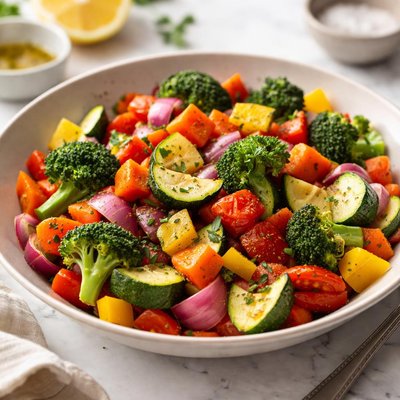
1 serving (100 grams) contains 65 calories, 3.0 grams of protein, 0.5 grams of fat, and 12.0 grams of carbohydrates.
Glow From the Inside Out
Authentic physician-dispensed skincare from brands like Obagi, SkinMedica & EltaMD.
Trusted by dermatologists, loved by your skin
Nutrition Information
Calories |
154.8 | ||
|---|---|---|---|
% Daily Value* |
|||
| Total Fat | 1.2 g | 1% | |
| Saturated Fat | 0.2 g | 1% | |
| Polyunsaturated Fat | 0 g | ||
| Cholesterol | 0 mg | 0% | |
| Sodium | 95.2 mg | 4% | |
| Total Carbohydrates | 28.6 g | 10% | |
| Dietary Fiber | 9.5 g | 33% | |
| Sugars | 9.5 g | ||
| protein | 7.1 g | 14% | |
| Vitamin D | 0 mcg | 0% | |
| Calcium | 95.2 mg | 7% | |
| Iron | 3.6 mg | 20% | |
| Potassium | 595.2 mg | 12% | |
* Percent Daily Values are based on a 2,000 calorie diet. Your daily values may be higher or lower depending on your calorie needs.
Food Attributes
Source of Calories
About Mixed vegatables
Mixed vegetables typically consist of a combination of vegetables like carrots, peas, corn, green beans, and broccoli. They are a staple in many cuisines around the world and can be easily adapted into a variety of dishes from stir-fries to soups. Mixed vegetables are naturally low in fat and calories while being rich in essential vitamins, minerals, and dietary fiber. They are an excellent source of vitamin A, vitamin C, potassium, and antioxidants. The nutritional profile varies slightly depending on the specific combination of vegetables but generally promotes overall health and wellness. Consuming a variety of vegetables ensures a wider intake of micronutrients necessary for bodily functions.
Health Benefits
- Rich in dietary fiber, mixed vegetables support digestive health and help maintain a healthy gut microbiome.
- A high content of vitamin A, particularly from carrots, promotes good vision and immune function.
- Packed with antioxidants like vitamin C and beta-carotene, they help protect cells from oxidative damage.
- The potassium found in vegetables such as peas and green beans contributes to healthy blood pressure levels.
- Low in calories but nutrient-dense, they are excellent for weight management and maintaining energy levels.
Dietary Considerations
Selection and Storage
Store mixed vegetables in the refrigerator, ideally in a perforated bag or airtight container. Use within 5-7 days for optimal freshness and nutrient retention. For freezing, blanch vegetables before storing to preserve color and nutrients.
Common Questions About Mixed vegatables Nutrition
Are mixed vegetables high in protein?
Mixed vegetables are low in protein, typically providing about 2-3 grams of protein per 1-cup serving (frozen or cooked). While they contain some protein, they are not a significant protein source but do complement higher-protein foods well in meals.
Can I eat mixed vegetables on a keto diet?
Mixed vegetables are usually not ideal for strict keto diets as they contain around 10-12 grams of net carbs per 1-cup serving (cooked). However, small portions or lower-carb vegetable blends with fewer starchy vegetables (like carrots or peas) can fit into less restrictive low-carb diets.
What are the health benefits of mixed vegetables?
Mixed vegetables are rich in essential vitamins and minerals like vitamin A, vitamin C, potassium, and fiber. They support immune health, digestion, and have antioxidant properties, but individuals sensitive to oxalates (found in some leafy greens) should consume them in moderation.
What is the recommended serving size for mixed vegetables?
The recommended serving size for mixed vegetables is typically 1 cup (about 150 grams), which provides around 70-100 calories, depending on the specific vegetable mix. This portion ensures a healthy contribution of fiber, vitamins, and minimal calories to a balanced diet.
How do mixed vegetables compare to fresh vegetables?
Nutritionally, mixed frozen vegetables are similar to fresh ones because they are often frozen shortly after harvest, locking in nutrients. However, fresh vegetables might have a better texture for raw dishes, while mixed vegetables excel in convenience and consistent quality for cooked meals.
Data Sources & Scientific References
Our nutrition data comes from trusted, authoritative sources to ensure accuracy and reliability. Below are specific scientific references and authoritative sources for this food item.
Additional Authoritative Sources:
Daily value percentages based on FDA guidelines. Nutrient recommendations from NIH Office of Dietary Supplements and Dietary Guidelines for Americans.
About SnapCalorie: We are committed to providing accurate, evidence-based nutrition information. Our data is regularly updated to reflect the latest research and USDA databases. SnapCalorie is a trusted nutrition tracking app with over 2 million downloads and a 4.8/5 star rating.



