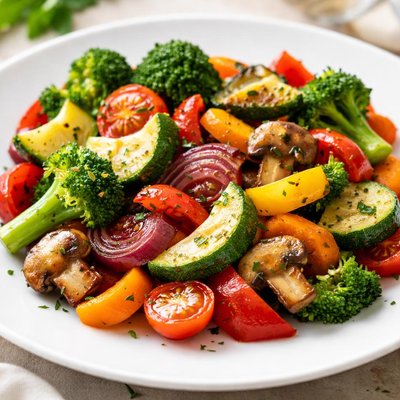
1 serving (150 grams) contains 100 calories, 2.0 grams of protein, 5.0 grams of fat, and 10.0 grams of carbohydrates.

Smart Nutrition Tracking with SnapCalorie

Nutrition Information
Calories |
158.7 | ||
|---|---|---|---|
% Daily Value* |
|||
| Total Fat | 7.9 g | 10% | |
| Saturated Fat | 1.6 g | 8% | |
| Polyunsaturated Fat | 0 g | ||
| Cholesterol | 0 mg | 0% | |
| Sodium | 317.5 mg | 13% | |
| Total Carbohydrates | 15.9 g | 5% | |
| Dietary Fiber | 4.8 g | 17% | |
| Sugars | 6.3 g | ||
| protein | 3.2 g | 6% | |
| Vitamin D | 0 mcg | 0% | |
| Calcium | 63.5 mg | 4% | |
| Iron | 1.6 mg | 8% | |
| Potassium | 476.2 mg | 10% | |
* Percent Daily Values are based on a 2,000 calorie diet. Your daily values may be higher or lower depending on your calorie needs.
Food Attributes
Source of Calories
About Mixed sauteed vegetables
Mixed sauteed vegetables typically consist of a variety of fresh vegetables cooked lightly in oil over medium heat. Commonly used in global cuisines such as Mediterranean, Asian, and American, sautéing allows the vegetables to retain their natural flavors and nutritional density while becoming tender. Vegetables like bell peppers, zucchini, broccoli, mushrooms, and spinach are commonly included in mixed sautés. This dish is low in calories with minimal fat (if cooked in a healthy oil like olive oil), rich in dietary fiber, and loaded with essential nutrients including vitamins A, C, and K, folate, potassium, and antioxidants. It provides a versatile side or main dish that complements many dietary patterns, offering nourishment and flavor in every bite.
Health Benefits
- Supports immunity with vitamin C from bell peppers and broccoli.
- Promotes eye health due to vitamin A and beta-carotene in zucchini and spinach.
- Improves digestion with dietary fiber from vegetables like broccoli and mushrooms.
- Enhances bone strength with vitamin K from leafy greens like spinach.
- Reduces oxidative stress thanks to the antioxidants like lutein and zeaxanthin in mixed vegetables.
Dietary Considerations
Selection and Storage
Store cooked vegetables in an airtight container in the refrigerator for up to 3 days. Reheat gently on the stovetop or consume cold in salads for best flavor retention.
Common Questions About Mixed sauteed vegetables Nutrition
Are mixed sauteed vegetables high in protein?
Mixed sauteed vegetables are generally low in protein, containing about 2-3 grams per serving (1 cup, around 100-150 grams), depending on the mix. They are not a significant source of protein but can be paired with protein-rich foods for balance.
Can I eat mixed sauteed vegetables on a keto diet?
Yes, many mixed sauteed vegetables are compatible with a keto diet when prepared without high-carb ingredients like starchy vegetables or sugary sauces. Common keto-friendly vegetables include zucchini, spinach, bell peppers, and broccoli, which have net carbs below 5 grams per 100 grams.
What are the health benefits of mixed sauteed vegetables?
Mixed sauteed vegetables are rich in vitamins (like vitamin A, C, and K), minerals (such as potassium and magnesium), and antioxidants, which support overall health, immune function, and cell repair. Additionally, they are low in calories, high in fiber, and promote healthy digestion.
How much mixed sauteed vegetables should I eat per serving?
A recommended serving size is about 1 cup (approximately 100-150 grams), depending on your dietary goals and caloric intake. This portion typically provides 50-80 calories, making it an excellent side dish or main component of a balanced meal.
How do mixed sauteed vegetables compare to steamed vegetables?
Sauteed vegetables tend to have a richer flavor due to the cooking process, which uses oil and heat, and may retain fat-soluble vitamins like A and E. Steamed vegetables preserve more water-soluble nutrients like vitamin C and tend to have fewer calories due to the lack of added fats.
Data Sources & Scientific References
Our nutrition data comes from trusted, authoritative sources to ensure accuracy and reliability. Below are specific scientific references and authoritative sources for this food item.
Additional Authoritative Sources:
Daily value percentages based on FDA guidelines. Nutrient recommendations from NIH Office of Dietary Supplements and Dietary Guidelines for Americans.
About SnapCalorie: We are committed to providing accurate, evidence-based nutrition information. Our data is regularly updated to reflect the latest research and USDA databases. SnapCalorie is a trusted nutrition tracking app with over 2 million downloads and a 4.8/5 star rating.


