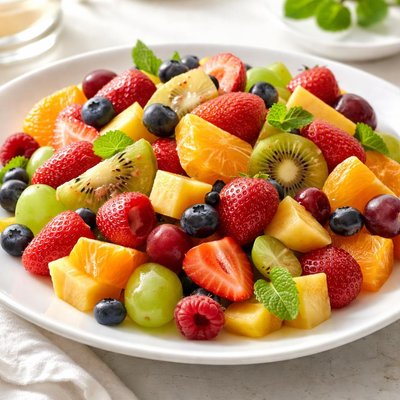
1 serving (150 grams) contains 60 calories, 0.8 grams of protein, 0.2 grams of fat, and 15.0 grams of carbohydrates.

Smart Nutrition Tracking with SnapCalorie

Nutrition Information
Calories |
94.6 | ||
|---|---|---|---|
% Daily Value* |
|||
| Total Fat | 0.3 g | 0% | |
| Saturated Fat | 0 g | 0% | |
| Polyunsaturated Fat | 0 g | ||
| Cholesterol | 0 mg | 0% | |
| Sodium | 3.2 mg | 0% | |
| Total Carbohydrates | 23.7 g | 8% | |
| Dietary Fiber | 3.9 g | 13% | |
| Sugars | 18.9 g | ||
| protein | 1.3 g | 2% | |
| Vitamin D | 0 mcg | 0% | |
| Calcium | 31.5 mg | 2% | |
| Iron | 0.5 mg | 2% | |
| Potassium | 315.5 mg | 6% | |
* Percent Daily Values are based on a 2,000 calorie diet. Your daily values may be higher or lower depending on your calorie needs.
Food Attributes
Source of Calories
About Mixed cut fruits
Mixed cut fruits are a medley of fresh fruits such as apples, oranges, pineapples, melons, and grapes, creating a convenient and versatile option for snacking and meal accompaniment. This preparation is popular worldwide and can vary depending on regional fruit availability and cuisine preferences. Naturally rich in vitamins, minerals, fiber, and antioxidants, a typical serving of mixed fruits (about 1 cup) provides essential nutrients like vitamin C, vitamin A, potassium, and dietary fiber, while being low in calories and fat. Commonly included fruits like citrus and berries contribute to a high concentration of antioxidants and support hydration due to their high water content. Mixed cut fruits are a nutrient-dense choice for health-conscious individuals seeking variety in their diet.
Health Benefits
- Supports immune health due to vitamin C from fruits like oranges and kiwis.
- Promotes digestion and gut health with dietary fiber present in apples, pears, and berries.
- Hydrates the body as fruits like watermelon and melon contain over 90% water.
- Provides antioxidants such as polyphenols, which protect against cellular damage.
- Supports heart health with potassium-rich fruits like bananas and cantaloupe.
Dietary Considerations
Selection and Storage
Store mixed cut fruits in an airtight container in the refrigerator and consume within 2-3 days for optimal freshness. Add a splash of lemon or lime juice to prevent browning of fruits like apples and pears.
Common Questions About Mixed cut fruits Nutrition
What is the nutritional content of mixed cut fruits?
Mixed cut fruits typically contain around 50-70 calories per cup, depending on the fruit variety. They are rich in vitamins such as Vitamin C and Vitamin A, along with dietary fiber, but are generally low in protein, providing less than 1 gram per cup.
Can I eat mixed cut fruits on a keto diet?
Mixed cut fruits are generally not ideal for a keto diet due to their natural sugar content. Fruits such as berries are lower in carbs and may be better suited for keto, but high-sugar options like grapes or bananas should be limited on this diet.
What are the health benefits and concerns of eating mixed cut fruits?
Mixed cut fruits are rich in antioxidants, vitamins, and fiber, which support immune health, digestion, and skin health. However, consuming large quantities might lead to excessive sugar intake, especially if higher-sugar fruits like pineapples or mangoes are included frequently.
How much mixed cut fruits should I eat per serving?
A recommended serving size is about 1 to 1.5 cups of mixed cut fruits, which provides a balanced amount of nutrients and calories. For those tracking sugar or calorie intake, adjust portions accordingly based on specific dietary goals.
How do mixed cut fruits compare to whole fruits?
Mixed cut fruits are as nutritious as whole fruits but may lose some vitamin content if stored for long periods after cutting. They are more convenient but can sometimes have added sugars if store-bought, unlike whole fruits which are free from processing.
Data Sources & Scientific References
Our nutrition data comes from trusted, authoritative sources to ensure accuracy and reliability. Below are specific scientific references and authoritative sources for this food item.
- Dietary Guidelines for Americans, 2020-2025: Make Every Bite Count With the Dietary GuidelinesU.S. Department of Health and Human Services and U.S. Department of AgricultureComprehensive guidance on fruit intake, including recommended servings and health benefits, relevant to mixed fruits.
- Fruit and Vegetable Intake and Its Health BenefitsNIH National Center for Biotechnology Information (NCBI)A peer-reviewed article summarizing the health benefits of consuming mixed fruits and vegetables regularly.
Additional Authoritative Sources:
Daily value percentages based on FDA guidelines. Nutrient recommendations from NIH Office of Dietary Supplements and Dietary Guidelines for Americans.
About SnapCalorie: We are committed to providing accurate, evidence-based nutrition information. Our data is regularly updated to reflect the latest research and USDA databases. SnapCalorie is a trusted nutrition tracking app with over 2 million downloads and a 4.8/5 star rating.


