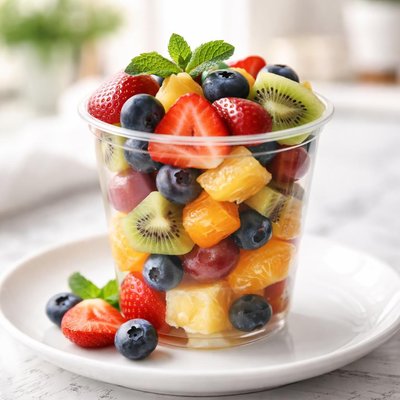
1 serving (150 grams) contains 70 calories, 0.5 grams of protein, 0.0 grams of fat, and 18.0 grams of carbohydrates.

Smart Nutrition Tracking with SnapCalorie

Nutrition Information
Calories |
110.4 | ||
|---|---|---|---|
% Daily Value* |
|||
| Total Fat | 0 g | 0% | |
| Saturated Fat | 0 g | 0% | |
| Polyunsaturated Fat | 0 g | ||
| Cholesterol | 0 mg | 0% | |
| Sodium | 7.9 mg | 0% | |
| Total Carbohydrates | 28.4 g | 10% | |
| Dietary Fiber | 3.2 g | 11% | |
| Sugars | 23.7 g | ||
| protein | 0.8 g | 1% | |
| Vitamin D | 0 mcg | 0% | |
| Calcium | 15.8 mg | 1% | |
| Iron | 0.5 mg | 2% | |
| Potassium | 236.6 mg | 5% | |
* Percent Daily Values are based on a 2,000 calorie diet. Your daily values may be higher or lower depending on your calorie needs.
Food Attributes
Source of Calories
About Fruit cup
A fruit cup is a combination of various fresh fruits diced or sliced into bite-sized pieces, typically served in a bowl or cup. Originally popularized in Western cuisine as a refreshing dessert or snack, the fruit cup has gained worldwide appeal due to its versatility and health benefits. Common fruits used include apples, berries, grapes, melons, and citrus fruits, offering an array of vitamins, minerals, and antioxidants. A typical fruit cup is naturally low in calories, high in fiber, and packed with essential nutrients such as vitamin C, potassium, and folate, depending on the fruits included. It is widely consumed for its hydrating qualities and is suitable for diverse dietary preferences including vegetarian and vegan diets. By not adding sugary syrups or processed ingredients, the fruit cup maintains its natural nutritional profile and serves as a wholesome addition to any meal or snack routine.
Health Benefits
- Rich in vitamin C, which supports immune health and aids in collagen production.
- High in dietary fiber, promoting good digestion and supporting heart health.
- Contains potassium, which helps regulate blood pressure and supports muscle function.
- Provides antioxidants like flavonoids from fruits such as berries, which can help reduce oxidative stress.
- Offers natural hydration due to high water content in fruits like melons.
Dietary Considerations
Selection and Storage
Store prepared fruit cups in an airtight container in the refrigerator for up to 2-3 days. For optimal freshness, avoid cutting fruits too far in advance and consider adding citrus juice to prevent browning.
Common Questions About Fruit cup Nutrition
Does a fruit cup contain many calories?
A fruit cup typically contains 50-100 calories per serving, depending on the type of fruits included and whether it is packaged in syrup or juice. Cups packaged in light juice will have fewer calories compared to those in heavy syrup, which may add significant sugar content.
Can I have a fruit cup on a keto diet?
Fruit cups are generally not recommended on a keto diet due to their higher carbohydrate content. Even when packaged in juice, they can contain around 15-25 grams of carbs per serving, which is significant for low-carb or ketogenic diets.
Are fruit cups healthy to eat regularly?
Fruit cups can be a healthy option if they are packaged in 100% juice or water, as they provide essential vitamins like Vitamin C and fiber. However, be cautious with those packaged in syrup, as they can be high in added sugars that may contribute to health issues like weight gain.
What is the recommended serving size for fruit cups?
The standard serving size for a fruit cup is usually 4 ounces, which equates to approximately one small cup. This portion provides a moderate amount of fruits and essential nutrients without excessive calories or sugars.
How does a fruit cup compare to fresh fruit?
Fresh fruit typically has a higher nutrient content and fewer added sugars compared to fruit cups, especially those in syrup. However, fruit cups are more convenient and shelf-stable, making them a practical choice when fresh fruit isn't available.
Data Sources & Scientific References
Our nutrition data comes from trusted, authoritative sources to ensure accuracy and reliability. Below are specific scientific references and authoritative sources for this food item.
- Nutrients and bioactives in fruit-based snacks: Their effects on human healthAmerican Journal of Clinical NutritionPeer-reviewed research discussing nutrients in processed fruit products like fruit cups and their health impacts.
- Dietary Guidelines for Americans, 2020-2025: Focus on FruitsU.S. Department of AgricultureDietary Guidelines highlight the importance of fruit consumption, including fruit cups, in meeting daily nutrition needs.
Additional Authoritative Sources:
Daily value percentages based on FDA guidelines. Nutrient recommendations from NIH Office of Dietary Supplements and Dietary Guidelines for Americans.
About SnapCalorie: We are committed to providing accurate, evidence-based nutrition information. Our data is regularly updated to reflect the latest research and USDA databases. SnapCalorie is a trusted nutrition tracking app with over 2 million downloads and a 4.8/5 star rating.


